![[등록] 2026-09-01 15:48:31](/support/_updata/banner2/tl181982910_6749.png)


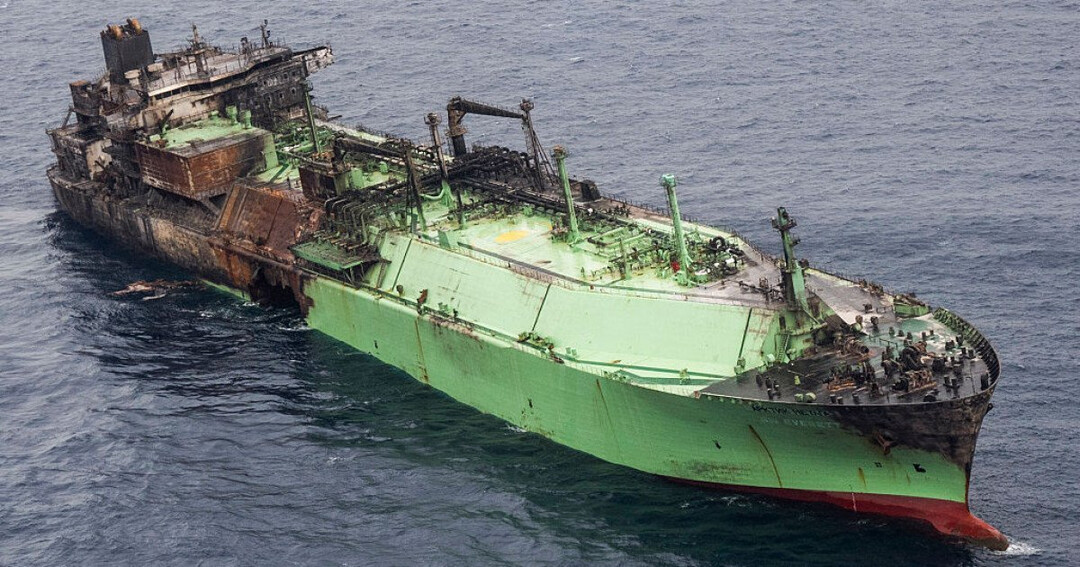
VALLETTA/ROME — International maritime authorities and environmental groups are on high alert as a Russian-flagged tanker, laden with tens of thousands of tons of volatile fuel, continues to drift helplessly in the central Mediterranean Sea. The vessel, crippled by a drone strike earlier this month, has become a geopolitical and ecological flashpoint as neighboring nations struggle to neutralize the threat.
The Anatomy of a Crisis
The Arctic Metagaz, a 277-meter-long Liquefied Natural Gas (LNG) carrier, was reportedly struck by a drone on March 3 in international waters, approximately 168 nautical miles southeast of Malta. According to Italian authorities and CNN reports, the vessel is currently carrying a massive cargo: 60,000 tons of LNG and roughly 900 tons of diesel fuel.
The ship is identified as a key asset in Russia’s "shadow fleet"—a network of aging or under-insured vessels used by Moscow to circumvent Western sanctions and transport energy to global markets. It was traveling from the Arctic port of Murmansk to Egypt when the attack occurred. Following a fire sparked by the strike, the 30-member crew abandoned the ship, leaving the massive vessel unpowered and laden with combustible cargo.
"A Gas-Filled Time Bomb"
As wind patterns shift, the derelict tanker is drifting closer to the coastlines of Malta and the Italian island of Lampedusa. The proximity has triggered a diplomatic and security crisis. Italian Prime Minister Giorgia Meloni convened an emergency cabinet meeting on March 13, involving the ministries of defense, environment, and civil protection to chart a course of action.
The assessment remains grim. "It is impossible for this vessel to safely dock at any Italian port," a spokesperson for the Italian Foreign Ministry told reporters. "In its current state, it is essentially a gas-filled time bomb."
The primary fear is a catastrophic structural failure or an explosion. Unlike crude oil, which creates a surface slick, an LNG leak can form "cryogenic clouds" that stay low to the water, posing an immediate fire hazard and suffocating marine life.
Ecological Groups Sound the Alarm
The World Wide Fund for Nature (WWF) and other environmental organizations are monitoring the Arctic Metagaz with increasing dread. Experts warn that if the ship sinks or explodes, the Mediterranean—a semi-enclosed sea with a fragile ecosystem—could suffer irreparable damage.
"The cargo is extremely hazardous," a WWF representative stated. "A breach could lead to localized freezing of the water column, massive atmospheric pollution, and long-term toxicity for the region's biodiversity."
Searching for a Solution
Currently, Italian and Maltese authorities are maintaining a 5-nautical-mile (approx. 8km) exclusion zone around the ship, warning all commercial traffic to stay clear. Options on the table range from a high-risk towing operation to a controlled sinking in deep waters—though the latter remains a "last resort" due to the chemical fallout.
The incident highlights the growing danger of the "shadow fleet." Without standard insurance or transparent ownership, dealing with such maritime emergencies becomes a legal and financial quagmire for coastal nations. For now, the Mediterranean remains held hostage by a drifting relic of a distant war, waiting for a solution before the "time bomb" goes off.
[Copyright (c) Global Economic Times. All Rights Reserved.]