![[등록] 2026-09-01 15:48:31](/support/_updata/banner2/tl181982910_6749.png)


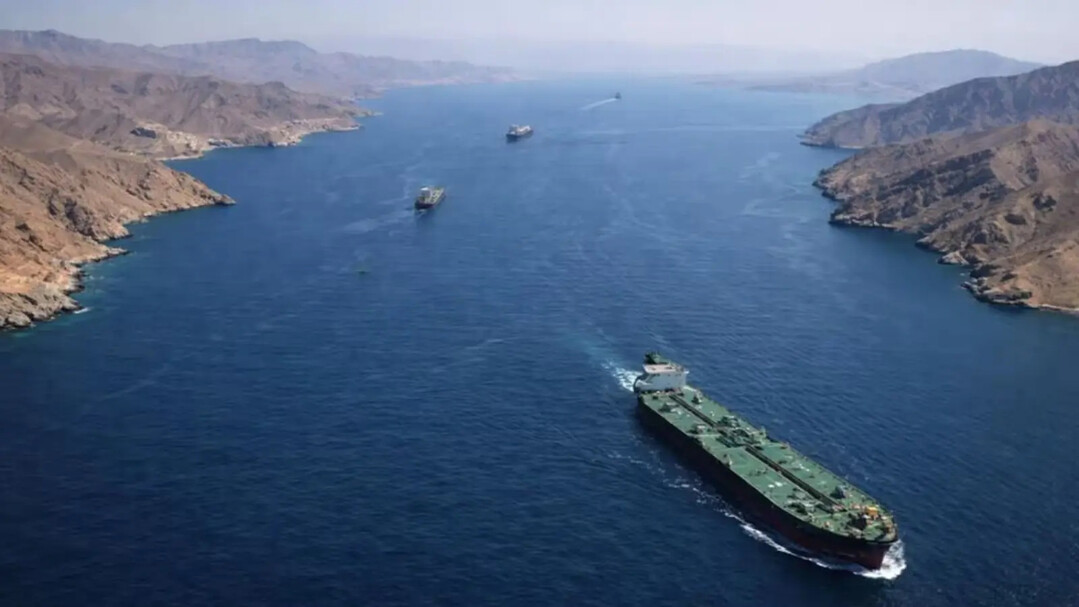
TEHRAN — In a move that threatens to upend global energy logistics and maritime security, Iran has officially begun collecting transit fees from vessels navigating the Strait of Hormuz. By asserting "maritime sovereignty" over one of the world’s most critical chokepoints, Tehran is effectively leveraging its geographical position to counter international pressure and maritime blockades.
Strategic Toll Collection and Financial Infrastructure
Alaeddin Boroujerdi, a member of the Iranian Parliament’s National Security and Foreign Policy Committee, announced on April 27, 2026, that the Central Bank of Iran (CBI) has established dedicated accounts to facilitate these payments. To bypass potential sanctions hurdles and accommodate various international stakeholders, the accounts support four major currencies:
Iranian Rial (IRR)
Chinese Yuan (CNY)
US Dollar (USD)
Euro (EUR)
According to official directives, the Islamic Revolutionary Guard Corps Navy (IRGCN) has been tasked with the direct collection of these fees. Local media reported that the first cash payment was successfully processed on April 23, deposited into a unified account under the Ministry of Economic Affairs and Finance. Notably, the authorities have prioritized physical currency over digital assets for these initial transactions.
Legislative Grounding and Military Enforcement
The imposition of the "transit tax" follows the passage of the "Law on Establishing Iran's Sovereignty over the Strait of Hormuz" by the Iranian Parliament on April 21. This legislation provides the legal framework for Tehran to treat the strait—through which approximately 20% of the world’s petroleum passes—as a sovereign toll zone rather than international waters subject to transit passage.
This escalation is the latest chapter in a volatile conflict that began on February 28, 2026, following preemptive strikes by the U.S. and Israel. In response to those hostilities, Iran initiated a blockade of the strait, which was met by a counter-blockade of Iranian ports by U.S. naval forces.
Global Economic and Security Implications
The international shipping community has reacted with alarm, as the Strait of Hormuz is the primary artery for oil exports from Saudi Arabia, the UAE, Kuwait, and Iraq. Analysts warn that this move could lead to:
Increased Energy Costs: Transitioning from free passage to a toll system will inevitably spike global oil prices and insurance premiums for tankers.
Heightened Naval Friction: With the IRGCN directly enforcing collection, the risk of armed confrontations with foreign navies escorting commercial vessels has reached a critical high.
Legal Challenges: The U.S. and its allies are expected to challenge the legality of the fees under the United Nations Convention on the Law of the Sea (UNCLOS), which generally protects the right of transit passage through international straits.
As Tehran solidifies its grip on this maritime gateway, the global community faces a daunting challenge: navigating a new era where the free flow of energy is subject to the geopolitical tolls of a nation under siege.
[Copyright (c) Global Economic Times. All Rights Reserved.]