![[등록] 2026-09-01 15:48:31](/support/_updata/banner2/tl181982910_6749.png)


(C) Investopedia
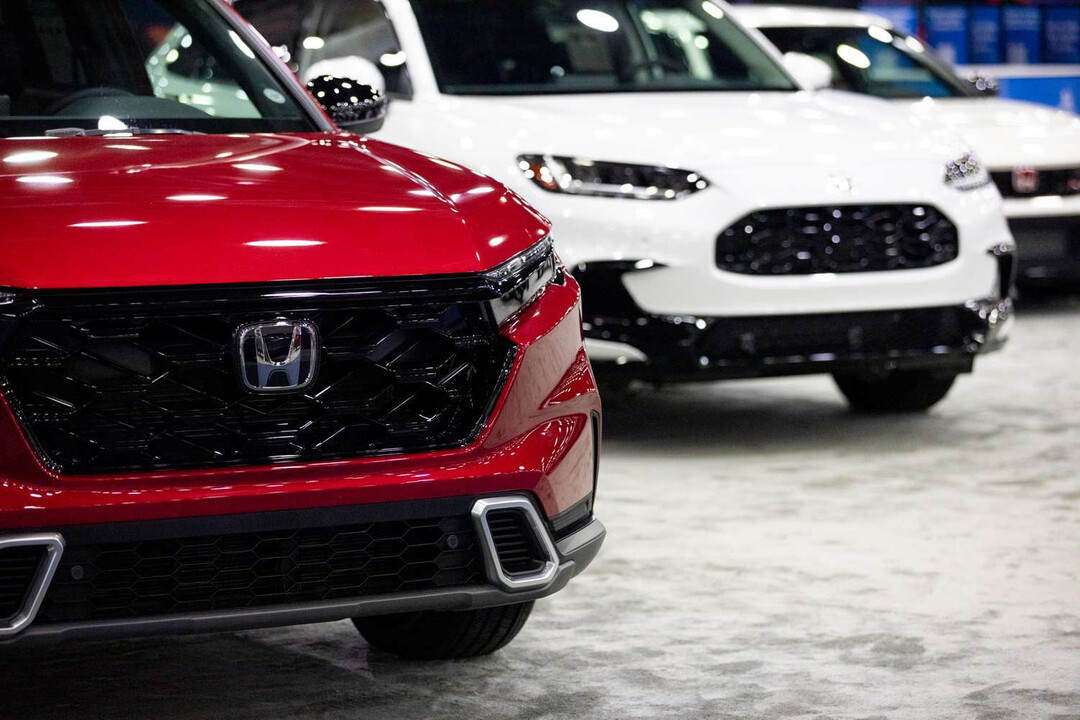
TOKYO – Japanese automaker Honda Motor Co. has indefinitely suspended its plans to build an electric vehicle (EV) and battery manufacturing hub in Ontario, Canada, as the company shifts its focus back to hybrid models amid a cooling EV market.
According to a report by the Nikkei on May 6, 2026, Honda has entered discussions with the Canadian government regarding the pause. The project, initially announced in April 2024 with a massive 15-billion-dollar (CAD) investment, aimed to produce 240,000 EVs annually by 2028. This move also casts uncertainty over a previously planned cathode material joint venture with South Korea’s POSCO Future M.
A Sharp Turn in Strategy
The decision reflects a significant retreat from Honda’s aggressive electrification goals. The company cited the termination of EV tax credits in the United States and stalled trade negotiations between the U.S. and Canada as primary reasons for the reconsidered strategy.
In line with this shift, Honda has ceased the development and commercialization of three upcoming EV models, including the "Honda Zero SUV" and "Acura RSX." Furthermore, the "Prologue," an EV co-developed with General Motors, is scheduled to end production in the second half of this year. Experts predict that once current inventories are exhausted, Honda may temporarily have no electric vehicles in its North American lineup.
Broader Industry Turmoil
Honda is not the only Japanese automaker scaling back. Nissan Motor Co. is also undergoing a major restructuring in Europe. Kyodo News reported that Nissan plans to cut approximately 900 jobs—10% of its European workforce—and consolidate its two production lines at the Sunderland plant in the UK into one.
Nissan’s downsizing includes transitioning from direct sales to import dealerships and closing its parts warehouse in Barcelona, Spain, as it struggles to maintain profitability in the region.
The maneuvers by Honda and Nissan highlight a growing trend among traditional automakers to prioritize financial stability and hybrid technology over the rapid, costly transition to fully electric fleets.
[Copyright (c) Global Economic Times. All Rights Reserved.]