![[등록] 2026-09-01 15:48:31](/support/_updata/banner2/tl181982910_6749.png)


As the international order faces compounding uncertainties—marked by the second year of the Donald Trump administration, ongoing trade tensions, and the prolonged Middle East conflict involving Iran—China and Russia are seizing the diplomatic spotlight. This season is characterized by a rapid succession of major "Global South" multilateral summits led by Beijing and Moscow, designed to consolidate anti-Western solidarity ahead of high-stakes superpower showdowns.
The Core Summits: SCO and BRICS
The diplomatic offensive kicks off with the Shanghai Cooperation Organization (SCO) summit scheduled for August 30–31 in Bishkek, the capital of Kyrgyzstan. As a Eurasian security and political bloc, the SCO now encompasses 10 full member states, including heavyweight players like China, Russia, India, Pakistan, Iran, and Belarus.
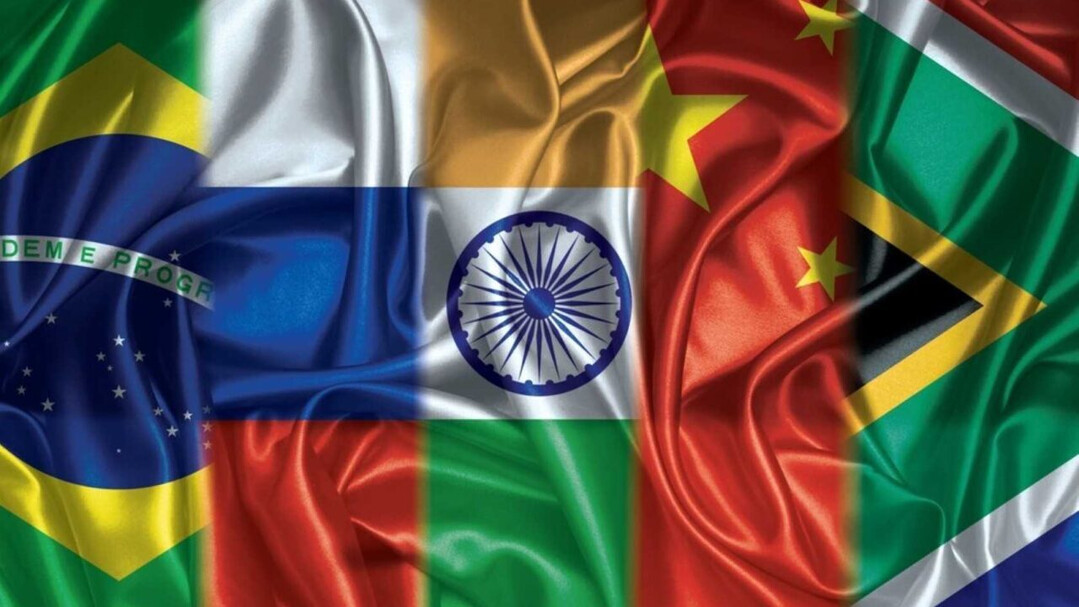
Following the SCO, attention will shift to New Delhi for the 18th BRICS Summit, to be held from September 12 to 13. Originally founded by Brazil, Russia, India, China, and South Africa, the bloc has expanded significantly to include new emerging economies such as Iran, Egypt, Ethiopia, and the United Arab Emirates. Additionally, the Eastern Economic Forum (EEF) will take place in Vladivostok from September 1 to 4, focusing on expanding Russia's economic cooperation with Asia amidst Western sanctions.
Strategic Timing and Geopolitical Leverage
Marking their 25th and 20th anniversaries respectively, both the SCO and BRICS are expected to host a full roster of top-tier global leaders. Chinese President Xi Jinping has confirmed his attendance at the SCO, and regional analysts widely expect him to attend the BRICS summit as well—his first visit to India in seven years. Russian President Vladimir Putin has also confirmed his participation in the SCO and is slated to join BRICS, while Indian Prime Minister Narendra Modi acts as the host.
The timing of these gatherings is particularly critical. Taking place against the backdrop of a grinding six-month war following US-Israeli airstrikes on Iran and aggressive, sweeping tariff policies from Washington, China and Russia are poised to champion a "multipolar world order."
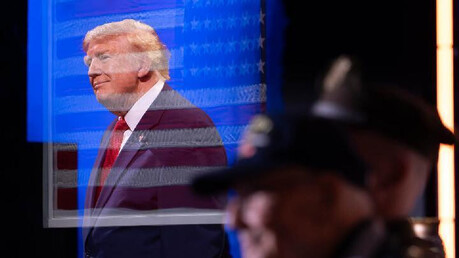
Notably, the BRICS summit occurs just ten days before a scheduled US-China summit in Washington on September 24. Observers suggest that President Xi will leverage these multilateral platforms to rally friendly nations, project strength, and build diplomatic capital before facing President Trump. Furthermore, improving relations with India—despite historical border disputes—could serve as a strategic leverage point for Beijing in its broader geopolitical bargaining with Washington.
Key Issues: The Iran Factor and De-Dollarization
The Iranian crisis is expected to dominate discussions at both forums. Last year’s SCO "Tianjin Declaration" fiercely condemned US-Israeli attacks on Iranian nuclear facilities and European attempts to restore sanctions against Tehran. Similarly, BRICS members have previously criticized Washington's unilateral economic measures and global tariff regimes. Iran’s recent formal integrations into both the SCO (2023) and BRICS (2024) have notably sharpened the anti-Western and anti-American rhetoric within both organizations.
Beyond security and geopolitics, economic decoupling and financial sovereignty remain high on the agenda. Key initiatives include exploring alternatives to the US dollar hegemony, accelerating discussions on establishing an SCO Development Bank, building robust cross-border transit corridors, and forging coordinated responses to global climate challenges. As the Global South recalibrates its position in a fragmented global economy, these twin summits serve as a vital staging ground for challenging the Western-led international framework.
[Copyright (c) Global Economic Times. All Rights Reserved.]