• 2025.12.18 (Thu)
  • All articles
  • LOGIN
  • JOIN
Global Economic Times
APEC2025KOREA가이드북
  • Synthesis
  • World
  • Business
  • Industry
  • ICT
  • Distribution Economy
  • Well+Being
  • Travel
  • Eco-News
  • Education
  • Korean Wave News
  • Opinion
  • Arts&Culture
  • Sports
  • People & Life
  • Column
    • Cho Kijo Column
    • Lee Yeon-sil Column
    • Ko Yong-chul Column
    • Cherry Garden Story
  • Photo News
  • New Book Guide
MENU
 
Home > ICT

Samsung Electronics Considers Moving Smartphone Production from China to India

Desk / Updated : 2025-02-17 18:46:04
  • -
  • +
  • Print

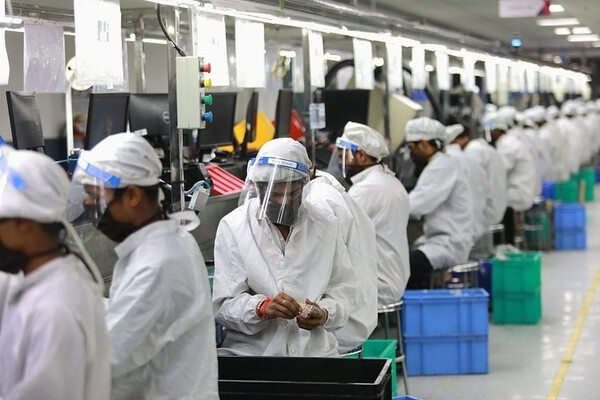
SEOUL – Samsung Electronics is exploring the possibility of shifting its smartphone production from China to other countries, including India, according to industry sources. This move is seen as a response to the recent increase in tariffs on Chinese goods by the Trump administration, which could significantly impact Samsung's smartphone supply chain.

Samsung is reportedly looking for alternative partners to replace its current Chinese Joint Development Manufacturing (JDM) collaborators. JDM is a type of contract manufacturing where the orderer (Samsung) and the manufacturer jointly develop a product, but the production is handled by the manufacturer. This differs from Original Design Manufacturing (ODM), where the entire process from product development to design and production is outsourced to a specialized manufacturer.

While Samsung directly produces its flagship products like the Galaxy S series and foldable smartphones, it utilizes the JDM method for mid-to-low-priced smartphones targeting emerging markets to maintain price competitiveness. Chinese companies like Wingtech, Huaqin, and Longcheer are currently Samsung's main JDM partners, responsible for approximately 20% of Samsung's annual smartphone production.   

The primary reason for Samsung's potential shift away from China is to mitigate the risks associated with increased tariffs. The recent imposition of additional tariffs on Chinese goods by the Trump administration has put smartphones on the list for the first time, making price increases inevitable and potentially leading to decreased sales.   

This move by Samsung reflects the changing global smartphone production landscape due to trade tensions and tariffs. Other companies like Wingtech have also been restructuring their operations to navigate these challenges.

While the exact details of Samsung's relocation plans are yet to be finalized, India is being considered as a strong contender due to its favorable manufacturing conditions and government incentives.

This potential shift in Samsung's smartphone production could have significant implications for the global smartphone industry, particularly for Chinese manufacturers who have been major players in the JDM and ODM space. It also highlights the growing importance of India as a manufacturing hub for electronics and other goods.

[Copyright (c) Global Economic Times. All Rights Reserved.]

  • #globaleconomictimes
  • #글로벌이코노믹타임즈
  • #한국
  • #중기청
  • #재외동포청
  • #외교부
  • #micorea
  • #mykorea
  • #newsk
  • #nammidonganews
  • #singaporenewsk
Desk
Desk

Popular articles

  • Korean Fashion Brands Set Sights on China: Dunst Opens Pop-up in Shanghai

  • Alliance in a Dilemma: The Fallout of Trump's Advice to Takaichi Not to 'Provoke Taiwan' 

  • Ferry Accident Revives Sewol Tragedy Trauma in South Korea

I like it
Share
  • Facebook
  • X
  • Kakaotalk
  • LINE
  • BAND
  • NAVER
  • https://globaleconomictimes.kr/article/1065606216555029 Copy URL copied.
Comments >

Comments 0

Weekly Hot Issue

  • Doosan Group Chosen as Preferred Bidder for SK Siltron in Multi-Billion Dollar Deal
  • Even Elite "Collective Intelligence" Fails: Seoul National University Students Miss the Mark on Exchange Rate Forecasts
  • The Ambassador’s Cup Taekwondo Championship Returns to Bulgaria, Celebrating Martial Arts and Diplomacy
  • Nobel Laureate Machado Departs Oslo; Remains in Good Spirits Despite Spinal Injury
  • Google Completes Gemini 3 Lineup with Launch of ‘Flash’ Model: High Speed Meets Uncompromised Intelligence
  • Germany Approves Massive $60 Billion Rearmament Package to Bolster Defense

Most Viewed

1
Choi Bun-do, Chairman of PTV Group, Assumes Presidency of the Korean Chamber of Commerce and Industry in South Central Vietnam
2
From Court to Content: French Tennis Star Océane Dodin Trades Racquet for OnlyFans, Eyes $5M in a Year
3
Lee Dismisses Vice Minister Amid Allegations of Misconduct and Vetting Gaps
4
NVIDIA Lobby Succeeds? U.S. Bill Expected to Drop AI Chip Export Restrictions
5
US Layoffs Surge: Over 1.17 Million Job Cuts Announced in First 11 Months of 2025
광고문의
임시1
임시3
임시2

Hot Issue

UK to Rejoin EU’s Erasmus+ Program in 2027: A Major Milestone in Post-Brexit Relations

China’s SpaceSail Challenges Starlink’s Hegemony in Brazil’s Satellite Internet Market

U.S. Congress Passes 2026 NDAA: A Legislative Fortress Against Unilateral Troop Withdrawals

Meloni Blocks Key EU Initiatives: Italy’s "My Way" Policy Shadows Upcoming Summit

Let’s recycle the old blankets in Jeju Island’s closet instead of incinerating them.

Global Economic Times
korocamia@naver.com
CEO : LEE YEON-SIL
Publisher : KO YONG-CHUL
Registration number : Seoul, A55681
Registration Date : 2024-10-24
Youth Protection Manager: KO YONG-CHUL
Singapore Headquarters
5A Woodlands Road #11-34 The Tennery. S'677728
Korean Branch
Phone : +82(0)10 4724 5264
#304, 6 Nonhyeon-ro 111-gil, Gangnam-gu, Seoul
Copyright © Global Economic Times All Rights Reserved
  • 에이펙2025
  • APEC2025가이드북TV
  • 독도는우리땅
Search
Category
  • All articles
  • Synthesis
  • World
  • Business
  • Industry
  • ICT
  • Distribution Economy
  • Well+Being
  • Travel
  • Eco-News
  • Education
  • Korean Wave News
  • Opinion
  • Arts&Culture
  • Sports
  • People & Life
  • Column 
    • 전체
    • Cho Kijo Column
    • Lee Yeon-sil Column
    • Ko Yong-chul Column
    • Cherry Garden Story
  • Photo News
  • New Book Guide
  • Multicultural News
  • Jobs & Workers