More than half of Europe’s ski resorts could face severe snow shortages if global average temperatures rise by 2 degrees Celsius compared to pre-industrial levels, according to a recent international analysis. As the costs of electricity and water for artificial snow production continue to rise, the economic viability of winter sports and regional tourism is facing mounting pressure.
On November 3 (local time), the World Meteorological Organization (WMO) and the International Ski and Snowboard Federation (FIS) jointly released a report titled "Weather and Climate Services for the Ski Industry." The report highlights how rising temperatures and declining snowfall are directly threatening the profitability of ski operations and the broader winter tourism sector.
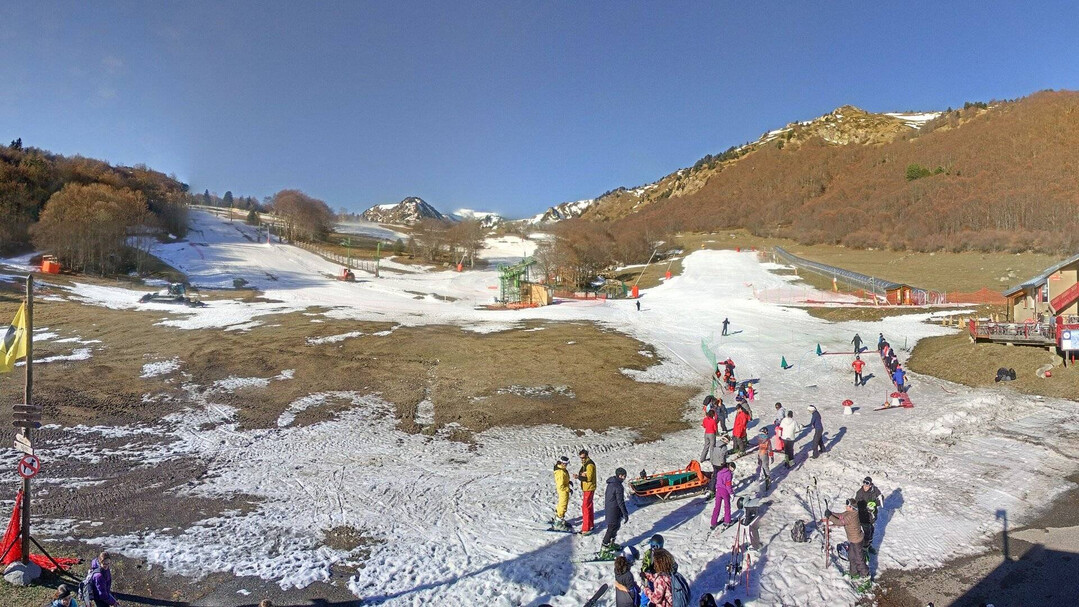
Citing research published in the international journal Nature Climate Change, the report notes that 53% of the 2,234 ski resorts across 28 European countries will struggle to maintain stable snow cover without artificial snowmaking systems if global temperatures increase by 2°C.
The Intergovernmental Panel on Climate Change (IPCC) estimates that snow-covered days are decreasing by an average of five days every decade across most parts of the world. This decline is particularly prominent at lower altitudes, leaving low-elevation ski resorts increasingly vulnerable to deteriorating operating conditions.
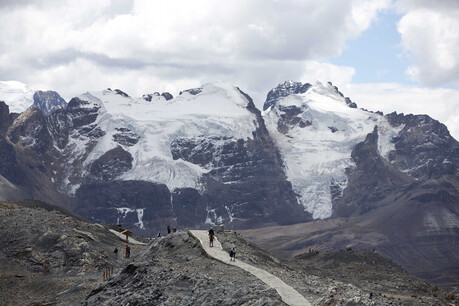
In Switzerland, the number of snow days below 800 meters has been cut in half since 1970. Furthermore, the altitude at which winter temperatures reach freezing has risen from about 600 meters fifty years ago to roughly 850 meters today. Between 2022 and 2026, the average annual melting rate of Swiss glaciers has more than doubled compared to any previous five-year observation period, resulting in a loss of approximately 20% of glacier volume since 2021.
While ski resorts have expanded artificial snow production to counter falling natural snowfall, this solution introduces its own financial burdens. As ambient temperatures rise, the weather windows suitable for making artificial snow shrink, and production efficiency drops—driving up electricity consumption and operational costs.
Securing water for snowmaking has also emerged as a critical challenge. Combined reductions in summer precipitation and lower river flows fed by melting glaciers threaten to restrict water supplies. Coupled with rising electricity tariffs, operators face escalating investment and maintenance expenses.
These environmental shifts ripple far beyond the ski slopes, threatening mountain economies that rely on lodging, dining, and hospitality services. A drop in winter tourists due to diminished snow cover can severely dent local business revenues, while increasing uncertainty around the return on investment for long-term assets such as ski lifts and snowmaking infrastructure.
To navigate these challenges, the WMO and the FIS advise ski operators to integrate short-term weather forecasts, seasonal outlooks, and long-term climate scenarios into their business and investment strategies. Experts emphasize that the industry must transition toward climate resilience by dynamically adjusting opening and closing dates, optimizing workforce and resource management, and diversifying tourism business models away from a sole reliance on winter sports.
[Copyright (c) Global Economic Times. All Rights Reserved.]