• 2026.11.25 (Wed)
  • All articles
  • LOGIN
  • JOIN
Global Economic Times
한인동포뉴스(상단)
  • Synthesis
  • World
  • Business
  • Industry
  • ICT
  • Distribution Economy
  • Well+Being
    • Pet Life
    • Halal Horizon
  • Travel
  • Eco-News
  • Education
  • Korean Wave News
  • Opinion
  • Arts&Culture
  • Sports
  • People & Life
    • International Student Report
    • With Ambassador
  • Column
    • Cho Kijo Column
    • Cherry Garden Story
    • Ko Yong-chul Column
    • Kim Bong-seon's Photo Column
    • Kim Seul-Ong Column
    • Lee Yeon-sil Column
    • Professor Lee Soo-young’s Life Essays
  • Photo News
  • New Book Guide
MENU
 
Home > Well+Being > Halal Horizon

From Palace Gates to Night Markets: How Seoul is Redefining Halal-Friendly Gastronomy

LEE YEON SIL Reporter / Updated : 2026-11-25 18:25:22
  • -
  • +
  • Print


SEOUL, South Korea — As South Korea emerges as an increasingly popular destination for Muslim travelers, the nation’s capital is undergoing a quiet culinary transformation. Driven by a steady surge in visitors from Muslim-majority nations—which surpassed one million annual arrivals in recent years—Seoul has expanded its hospitality infrastructure to bridge the gap between authentic Korean flavors and Islamic dietary requirements. 

For Muslim visitors, navigating Seoul’s vibrant food scene no longer requires sacrificing traditional local cuisine. Supported by the Korea Tourism Organization’s (KTO) four-tier classification system—ranging from strict Korea Muslim Federation (KMF) certification to self-certified and pork-free establishments—travelers can now explore the city’s historic districts and bustling markets with greater confidence. 

Traditional Flavors Near Historic Landmarks

The journey into halal Korean cuisine often begins in the historic Jongno-gu district, just steps away from Gyeongbokgung Palace. Here, dining venues designed with elements of hanok (traditional Korean architecture) allow visitors to immerse themselves in heritage while enjoying restorative local dishes. A standout favorite among health-conscious travelers is samgyetang (ginseng chicken soup). Prepared with tender chicken simmered alongside ginseng, jujube, and glutinous rice, the dish offers a mild, deeply nourishing broth that highlights Korea’s medicinal food philosophy without relying on restricted ingredients. 

A Melting Pot in Myeong-dong and Gwangjang Market

In central Seoul’s shopping hub of Myeong-dong, rapid diversification has brought Southeast Asian, Middle Eastern, and South Asian eateries into the heart of the city. Fusion establishments blending Korean and Malaysian culinary traditions have made classics like beef bulgogi readily accessible. Marinated in a balanced blend of soy sauce, garlic, ginger, sesame oil, and caramelized onions, the thinly sliced, stir-fried beef delivers a savory-sweet profile typically paired with steamed rice, vegetables, and kimchi. 

Beyond sit-down restaurants, Seoul’s iconic street food culture is also adapting. At traditional hubs like Gwangjang Night Market and the lively evening stalls of Myeong-dong, Muslim travelers can sample halal-friendly snacks on the go. Skewers of warm eomuk (fish cake) in savory broth and freshly baked bungeoppang—fish-shaped pastries filled with sweet red bean paste—provide an authentic taste of local street life. (Travelers are still advised to double-check ingredients, as certain traditional sauces or broths elsewhere may contain cooking alcohol or non-halal meat extracts.) 

Itaewon: The Anchor of Muslim Life in Seoul

No culinary tour of Seoul is complete without visiting Itaewon, the international neighborhood anchored by the Seoul Central Mosque on Usadan-ro. Serving as the religious and cultural heart of Korea’s Muslim community since 1976, the hillside mosque is surrounded by the city’s densest concentration of KMF-certified and Muslim-owned restaurants. 

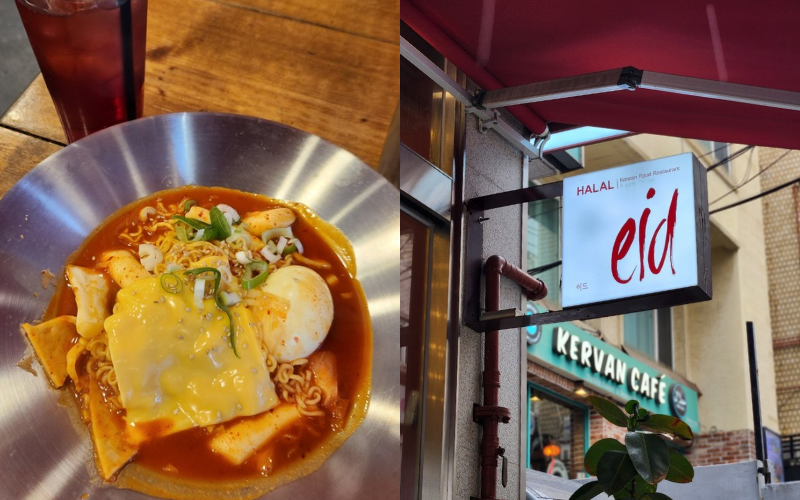
Within these bustling alleys, pioneering Korean-Muslim eateries reimagine beloved comfort foods for halal diners. One popular staple is rabokki—a hearty street-food mashup combining chewy tteokbokki (spicy rice cakes) and instant ramyeon noodles simmered in a rich, fiery gochujang sauce, topped with fish cakes, boiled eggs, and melted cheese.

With expanded prayer facilities at major transit hubs like Incheon International Airport, tourist attractions, and growing awareness among local restaurateurs, Seoul is steadily positioning itself as a premier, inclusive destination where Muslim travelers can fully savor the richness of Korean gastronomy.

[Copyright (c) Global Economic Times. All Rights Reserved.]

  • #Cherry Garden
  • #HalalFood
  • #Halal
  • #Petlife
  • #Cats
  • #Dogs
  • #Halalhorizone
  • #Hormuz Impasse
  • #Joseon
  • #globaleconomicti
LEE YEON SIL Reporter

Popular articles

  • South Korean Burger Chain Lotteria Expands Singapore Footprint with Halal Certification and New Teriyaki Lineup

  • Capturing Busan's Flavors and Stories! Busan Tourism Star Enterprises Elevate Local Gastronomy and Souvenir Content

  • "77% of Practice Dogs in Pet Grooming Academies Sourced from Breeding Farms"... Blind Spots in Zoonotic Disease Management

I like it
Share
  • Facebook
  • X
  • Kakaotalk
  • LINE
  • BAND
  • NAVER
  • https://globaleconomictimes.kr/article/1065605024227532 Copy URL copied.
Comments >

Comments 0

Weekly Hot Issue

  • Hugging Your Cat After a Bad Day Might Backfire, Study Suggests — While Petting a Dog Builds Resilience
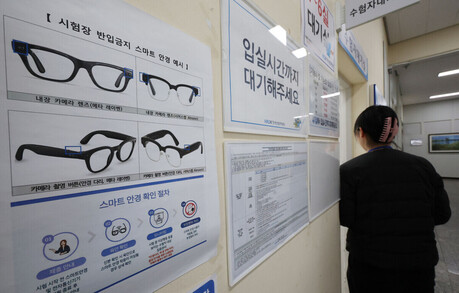
  • South Korea Weighs Low-Power Signal Jamming and stricter Device Rules to Curb AI Exam Cheating
  • South Korea Pushes for Overdue Media Law Overhaul as OTT Blurs Traditional Broadcast Lines
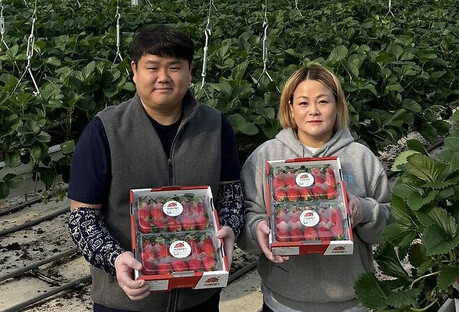
  • From Classroom and Lab to Smart Farms: Siblings Cultivate a Second Act in Rural Korea
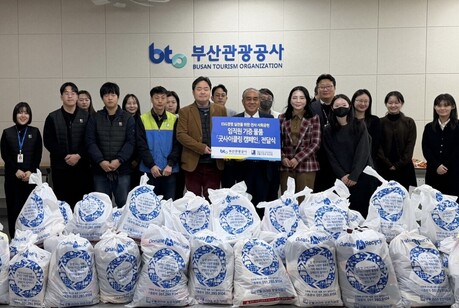
  • Busan Tourism Organization Takes the Lead in Local Co-prosperity Again This Year with the ‘Good-Cycling’ Campaign
  • Leaked Data Reveals 349 Russian Fatalities in Mali Over Three Years

Most Viewed

1
South Korean Burger Chain Lotteria Expands Singapore Footprint with Halal Certification and New Teriyaki Lineup
2
AI Semiconductor Stocks Plummet: Philadelphia Index Drops 5.28% and Micron Plunges 7.59% Amid Executive Shakeup and Export Restrictions
3
"Stay Out, Get Paid, or Have Police Stay With You": Shenzhen Imposes Strict Security Ahead of APEC Summit
4
Taiwan Bans Short-Selling Below Previous Close Starting Nov. 23, Raises Margin Ratio to 150%
5
AI Music Tops Melon Chart: Is the K-Pop Production Formula Changing?
체리가든 스토리
nutri huevos
로타리
동포저널

Hot Issue

Trump Faces Rare Bipartisan Backlash Over Jensen Huang’s Return to Nvidia

Beyond the Click: How Agentic AI is Quietly Dismantling the App Economy

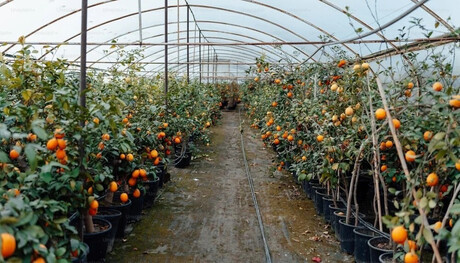
Jeju Tests Solar-Powered Greenhouses to Grow Carbon-Free ‘RE100’ Tangerines

Fashion Runway Show 2026

Let’s recycle the old blankets in Jeju Island’s closet instead of incinerating them.

Global Economic Times
korocamia@naver.com
CEO : LEE YEON-SIL
Publisher & Editor : KO YONG-CHUL
Registration number : Seoul, A55681
Registration Date : 2024-10-24
Youth Protection Manager: KO YONG-CHUL
Singapore Headquarters
5A Woodlands Road #11-34 The Tennery. S'677728
Korean Branch
Phone : +82(0)10 4724 5264
#304, 6 Nonhyeon-ro 111-gil, Gangnam-gu, Seoul
Copyright © Global Economic Times All Rights Reserved
  • News K
  • 반달곰 프로젝트
  • 광고문의
Search
Category
  • All articles
  • Synthesis
  • World
  • Business
  • Industry
  • ICT
  • Distribution Economy
  • Well+Being 
    • 전체
    • Pet Life
    • Halal Horizon
  • Travel
  • Eco-News
  • Education
  • Korean Wave News
  • Opinion
  • Arts&Culture
  • Sports
  • People & Life 
    • 전체
    • International Student Report
    • With Ambassador
  • Column 
    • 전체
    • Cho Kijo Column
    • Cherry Garden Story
    • Ko Yong-chul Column
    • Kim Bong-seon's Photo Column
    • Kim Seul-Ong Column
    • Lee Yeon-sil Column
    • Professor Lee Soo-young’s Life Essays
  • Photo News
  • New Book Guide
  • Overseas Koreans
  • Multicultural News