SEOGWIPO, South Korea — In a bid to cut agricultural carbon emissions and ease rising fuel costs for farmers, agricultural researchers on South Korea’s Jeju Island are cultivating a new batch of tangerines powered entirely by the sun.
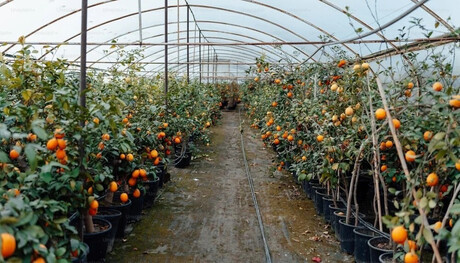
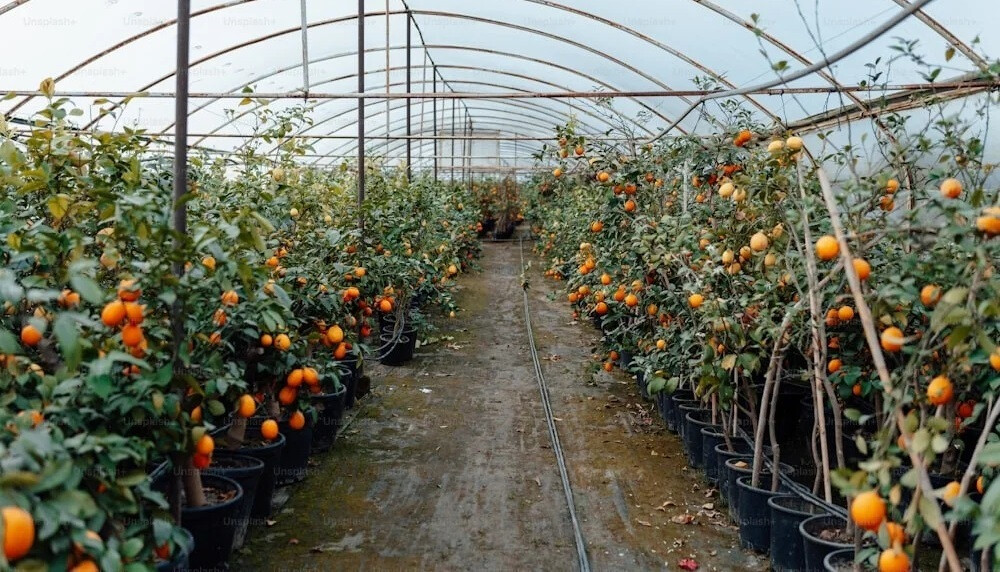
At a state-run research facility in Seogwipo, rows of "Gaeulhyang" tangerine trees—a locally developed cultivar—are heavy with ripening fruit ahead of an early December harvest. While the interior of the vinyl greenhouse resembles a standard farming setup, the exterior is outfitted with solar modules, inverters, heat pumps, and an energy storage system (ESS) that replaces traditional fossil fuels.
Most greenhouse citrus growers in Jeju rely heavily on kerosene for heating. Under the provincial government's demonstration project, solar arrays generate the electricity needed to regulate indoor temperatures and run ventilation fans, automated windows, and water pumps. Surplus daytime energy is stored in the ESS to power operations overnight.
If prolonged bad weather depletes the battery reserves, the facility can temporarily draw from the main electrical grid. Officials then verify whether the farm meets the "RE100" (100% renewable energy) threshold by balancing total energy consumed against the volume of clean power certified by the Korea Energy Agency.
To find the most practical setup for local growers, researchers at the Jeju Agricultural Research and Extension Services are evaluating three distinct solar installations across three test greenhouses:
Conventional Panel-Type (20kW): Mounted on support pillars, offering standard efficiency.
Flexible Film-Type (24kW): Lightweight modules adhered directly to the greenhouse roof, eliminating the need for extra land and preserving the rural landscape.
Disaster-Resistant Film-Type (21kW): Reinforced to endure Jeju’s frequent typhoons and heavy winter snow.
Researchers are closely monitoring how roof-mounted film modules affect natural sunlight penetration and crop yields, while working to reduce upfront installation expenses and secure government disaster-resilience certifications.
Following its first successful solar-grown harvest in January, Jeju authorities aim to finalize the standard farming model by the end of next year before rolling out pilot programs to commercial farms in 2028. The initiative aligns with the island’s broader push to decarbonize its primary industries, which has already seen the debut of RE100-certified milk and eggs.
[Copyright (c) Global Economic Times. All Rights Reserved.]