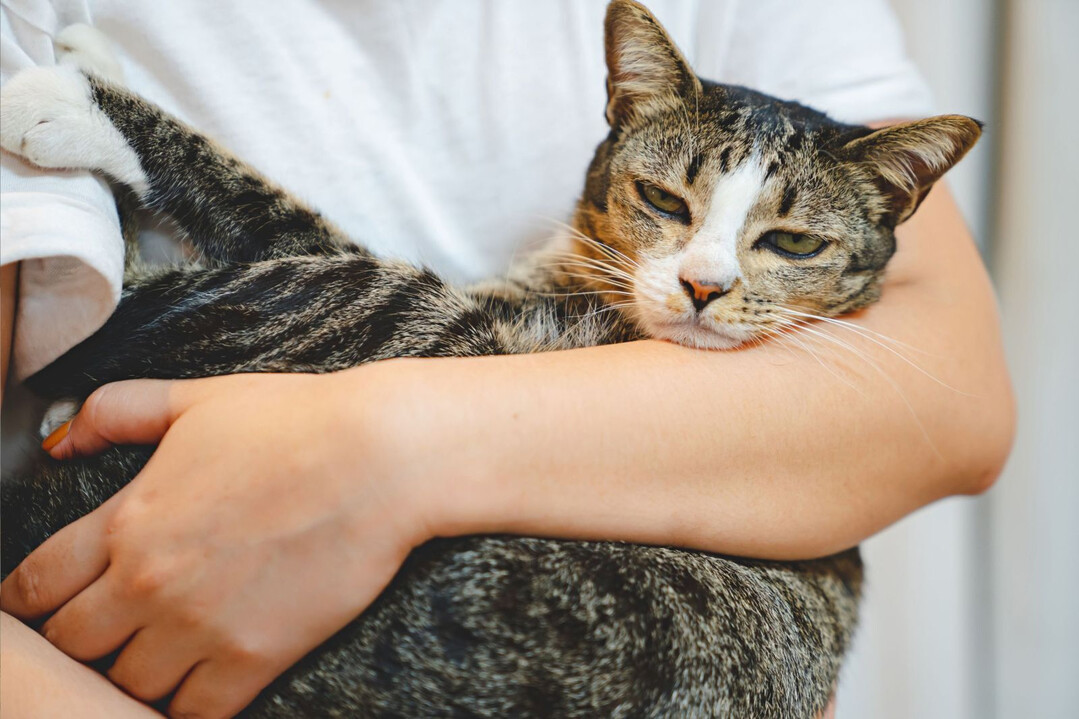
Coming home after a grueling day at work and reaching for a pet is a classic stress-relief ritual. However, new behavioral research suggests that seeking comfort from a cat in the heat of a stressful moment might actually intensify negative emotions, whereas physical interaction with a dog offers measurable physiological protection.
The Cat Paradox: When Comfort Amplifies Stress
A joint study conducted by researchers from the Open University of the Netherlands, Maastricht University, and the University of Basel—published in the journal Frontiers in Psychology—tracked the daily emotional states of 188 dog and cat owners across the Netherlands and Belgium. Over five days, participants received up to ten smartphone prompts daily asking them to rate their mood, stress levels, and degree of interaction with their pets.
While interacting with either a dog or a cat generally boosted positive feelings and lowered negative ones during normal moments, neither animal acted as an immediate buffer against acute stress. More surprisingly, when owners interacted with their cats specifically while feeling stressed, their negative emotions significantly increased. This amplification effect did not occur among dog owners.
According to corresponding author Mayke Janssens of the Open University of the Netherlands, pets appear to elevate baseline happiness rather than act as a shield during crises. The researchers noted that cats typically remain passive and make fewer active demands on their owners compared to dogs, who often initiate physical play or walks. Drawing parallels to human psychology—where mismatched or passive consolation can feel aggravating—the team suggested that a cat’s quiet presence during high-stress moments may inadvertently heighten an owner's emotional distress.
Physical Touch With Dogs Lowers Physiological Stress
In contrast, active physical contact with dogs appears to prepare the body to handle pressure more effectively. A study published this year in Biological Psychology by researchers at the University of Innsbruck in Austria examined 64 dog owners subjected to high-stress tasks, including timed trivia, backward counting, and harsh verbal criticism via video call.
Between stress tests, participants spent five minutes with their dogs—either petting them freely or keeping them on a short leash without physical contact. Although petting did not speed up immediate recovery after the first stressor, owners who physically petted their dogs (averaging three minutes and twelve seconds of contact) exhibited lower heart rates and higher heart rate variability during the subsequent stress test. Higher heart rate variability indicates a more adaptable, calmer nervous system.
Interestingly, participants' self-reported stress levels did not align with their biological data; their bodies reacted much more calmly even when they did not consciously feel less stressed. Lead researcher Dr. Monika Berndtson noted that physical touch signals safety to the brain, priming it to face upcoming challenges with less tension.
The 10-Minute Rule for Cortisol Reduction
The necessity of hands-on contact is further supported by an earlier 2019 study from Washington State University published in AERA Open. Researchers divided 249 college students into four groups: one group spent 10 minutes directly petting and playing with cats and dogs, while the other groups merely watched others interact with the animals, viewed photos of pets, or waited quietly.
Saliva samples revealed that only the students who physically touched the animals experienced a significant drop in cortisol, the body's primary stress hormone. Simply looking at the pets yielded no hormonal benefit, demonstrating that brief, tactile interaction is key to unlocking short-term physiological relief.
[Copyright (c) Global Economic Times. All Rights Reserved.]