• 2026.11.24 (Tue)
  • All articles
  • LOGIN
  • JOIN
Global Economic Times
한인동포뉴스(상단)
  • Synthesis
  • World
  • Business
  • Industry
  • ICT
  • Distribution Economy
  • Well+Being
    • Pet Life
    • Halal Horizon
  • Travel
  • Eco-News
  • Education
  • Korean Wave News
  • Opinion
  • Arts&Culture
  • Sports
  • People & Life
    • International Student Report
    • With Ambassador
  • Column
    • Cho Kijo Column
    • Cherry Garden Story
    • Ko Yong-chul Column
    • Kim Bong-seon's Photo Column
    • Kim Seul-Ong Column
    • Lee Yeon-sil Column
    • Professor Lee Soo-young’s Life Essays
  • Photo News
  • New Book Guide
MENU
 
Home > Eco-News

Meta Reconsiders 2030 Net-Zero Target as AI Data Center Expansion Drives Surge in Emissions

Kim Young Min Reporter / Updated : 2026-11-24 17:58:42
  • -
  • +
  • Print

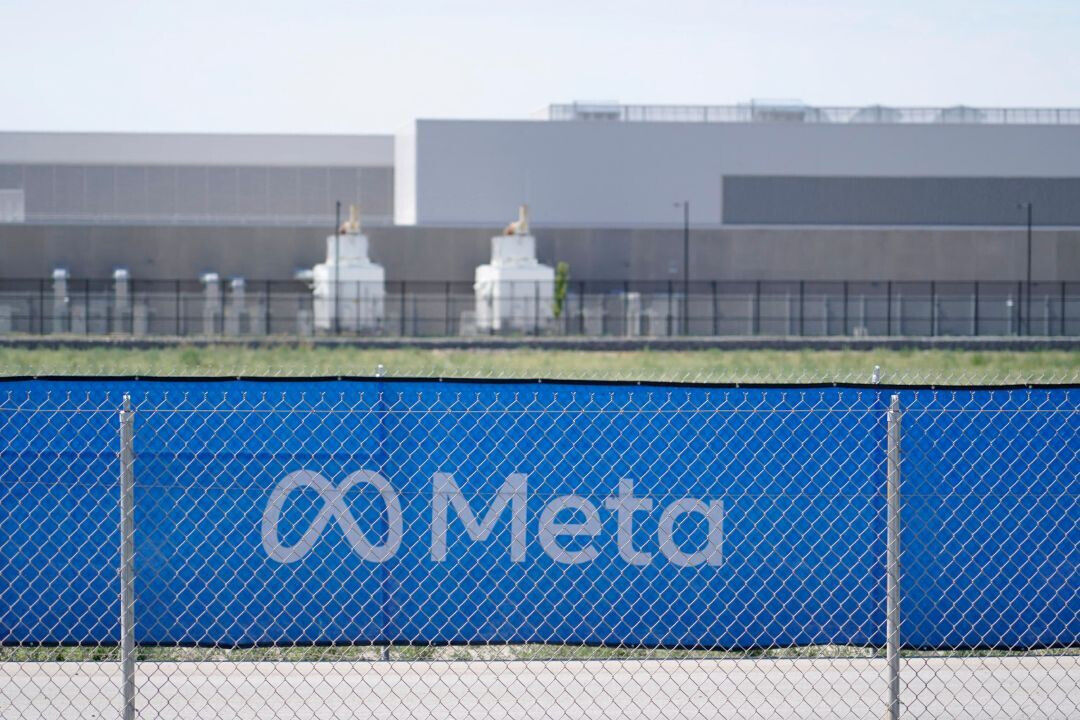
Meta Platforms, the parent company of Facebook and Instagram, is re-evaluating its pledge to achieve net-zero greenhouse gas emissions by 2030 after rapid artificial intelligence (AI) infrastructure expansion caused its carbon footprint to climb sharply.

According to Meta’s 2026 Sustainability Report, released on the 24th, the tech giant’s net emissions reached approximately 11.82 million metric tons last year. This represents a 45 percent jump from the 8.16 million metric tons recorded the previous year, and more than double the 5.74 million metric tons reported in 2021.

The primary driver behind the spike was indirect supply chain emissions—specifically those tied to building and equipping new AI data centers—rather than direct operational output. Emissions generated from capital goods, such as servers and facility hardware, accounted for 8.73 million metric tons, or 73 percent of Meta’s total footprint. Purchased goods and services added another 2.62 million metric tons (22 percent). Combined, these two categories accounted for 95 percent of the company's total emissions.

Electricity demand also surged alongside the data center buildout. Meta’s total power consumption grew 35 percent year-over-year to 24.85 million megawatt-hours (MWh), with data centers consuming 24.52 million MWh of that total. Although Meta noted it has matched 100 percent of its annual electricity usage with clean and renewable energy purchases for six consecutive years since 2020, those efforts were outweighed by Scope 3 supply chain emissions.

Meta’s original 2030 net-zero goal encompasses direct emissions (Scope 1), indirect emissions from purchased energy (Scope 2), and broader value chain emissions (Scope 3). However, the accelerated pace of AI deployment has forced leadership to rethink that timeline. In the report, the company cited grid connection bottlenecks for renewable projects, slow transmission line expansion, and lagging development in low-carbon material supply chains as major hurdles.

"We are actively re-evaluating our timelines, sequencing, and interim milestones, including our 2030 net-zero target date and near-term carbon intensity goals," wrote Rachel Peterson, Vice President of Data Centers, and Blair Swedeen, Global Head of Net Zero and Sustainability, in the report’s foreword.

To curb its growing footprint, Meta is tightening oversight of its suppliers. The share of key suppliers setting their own emissions reduction targets rose to 62 percent last year, up from 48 percent the year prior, with 343 companies now participating in Meta’s sustainability programs. The company is also scaling up procurement of low-carbon steel and cement while expanding the use of electric freight vehicles, though the tangible impact of these measures will take time to materialize.

Meta has not yet announced a revised target date for achieving net zero, leaving its long-term climate timeline largely dependent on how effectively it can rein in supply chain emissions amid ongoing AI growth.

[Copyright (c) Global Economic Times. All Rights Reserved.]

  • #Cherry Garden
  • #HalalFood
  • #Halal
  • #Petlife
  • #Cats
  • #Dogs
  • #Halalhorizone
  • #Hormuz Impasse
  • #Joseon
  • #globaleconomicti
Kim Young Min Reporter
Kim Young Min Reporter 前 환경데일리 발행인, mkTaiwan 편집인.

Popular articles

  • Stepping into the Shoes of a Joseon Scholar: Daejeon Museum Launches Immersive 'Life Game' Exhibition

  • Qnity Strengthens 'Customer Collaboration' Strategy for Semiconductor Material Innovation… “Shortening South Korea’s Semiconductor Development Cycles”

  • Bitcoin Slumps for a Second Day Amid Record Binance Hack, Tech Sell-Off, and Rising Oil Prices

I like it
Share
  • Facebook
  • X
  • Kakaotalk
  • LINE
  • BAND
  • NAVER
  • https://globaleconomictimes.kr/article/1065603450151157 Copy URL copied.
Comments >

Comments 0

Weekly Hot Issue

  • The 2030 AI Perception Gap: Why Tech Insiders See a Radical Future That the Public Doesn’t
  • South Korea Braces for Worse Winter Fine Dust, Launches Strict Seasonal Measures
  • Private Power Producers Cry Foul Over South Korea’s Proposed Regional Electricity Pricing
  • Jeju Island Cultivates Eco-Friendly ‘RE100 Tangerines’ Using Solar Power and ESS
  • Fuel Cell Operators Race to Cut Costs as Carbon Capture Becomes Key to Hydrogen Bids
  • Nature’s Low-Tech Humidifier: Researchers Highlight Eco-Benefits of Jeju’s Native Moss

Most Viewed

1
South Korea and Ethiopia Sign Trilateral MOU to Introduce Liquid-Based Cytology (LBC) Technology for Cervical Cancer Diagnosis
2
South Korean Burger Chain Lotteria Expands Singapore Footprint with Halal Certification and New Teriyaki Lineup
3
AI Semiconductor Stocks Plummet: Philadelphia Index Drops 5.28% and Micron Plunges 7.59% Amid Executive Shakeup and Export Restrictions
4
"Stay Out, Get Paid, or Have Police Stay With You": Shenzhen Imposes Strict Security Ahead of APEC Summit
5
Taiwan Bans Short-Selling Below Previous Close Starting Nov. 23, Raises Margin Ratio to 150%
체리가든 스토리
nutri huevos
로타리
동포저널

Hot Issue

Inside the 11-Day Blitz: How the White House and Tech Titans Engineered Jensen Huang’s Nvidia Comeback

Quiet Power Behind the Chip Giant: Lori Huang Co-Steers $109 Billion Nvidia Fortune Amid Company Turmoil

Fading Hype and Ethics Scrutiny Shadow Trump’s Second Meme Coin Gala

Fashion Runway Show 2026

Let’s recycle the old blankets in Jeju Island’s closet instead of incinerating them.

Global Economic Times
korocamia@naver.com
CEO : LEE YEON-SIL
Publisher & Editor : KO YONG-CHUL
Registration number : Seoul, A55681
Registration Date : 2024-10-24
Youth Protection Manager: KO YONG-CHUL
Singapore Headquarters
5A Woodlands Road #11-34 The Tennery. S'677728
Korean Branch
Phone : +82(0)10 4724 5264
#304, 6 Nonhyeon-ro 111-gil, Gangnam-gu, Seoul
Copyright © Global Economic Times All Rights Reserved
  • News K
  • 반달곰 프로젝트
  • 광고문의
Search
Category
  • All articles
  • Synthesis
  • World
  • Business
  • Industry
  • ICT
  • Distribution Economy
  • Well+Being 
    • 전체
    • Pet Life
    • Halal Horizon
  • Travel
  • Eco-News
  • Education
  • Korean Wave News
  • Opinion
  • Arts&Culture
  • Sports
  • People & Life 
    • 전체
    • International Student Report
    • With Ambassador
  • Column 
    • 전체
    • Cho Kijo Column
    • Cherry Garden Story
    • Ko Yong-chul Column
    • Kim Bong-seon's Photo Column
    • Kim Seul-Ong Column
    • Lee Yeon-sil Column
    • Professor Lee Soo-young’s Life Essays
  • Photo News
  • New Book Guide
  • Overseas Koreans
  • Multicultural News