• 2026.03.08 (Sun)
  • All articles
  • LOGIN
  • JOIN
Global Economic Times
fashionrunwayshow2026
  • Synthesis
  • World
  • Business
  • Industry
  • ICT
  • Distribution Economy
  • Well+Being
  • Travel
  • Eco-News
  • Education
  • Korean Wave News
  • Opinion
  • Arts&Culture
  • Sports
  • People & Life
    • International Student Report
    • With Ambassador
  • Column
    • Cho Kijo Column
    • Cherry Garden Story
    • Ko Yong-chul Column
    • Kim Seul-Ong Column
    • Lee Yeon-sil Column
  • Photo News
  • New Book Guide
MENU
 
Home > World

Taiwan Unveils 'T-Dome' Anti-Missile Shield, Calls on China to Renounce Force

Myung Sun Yim Correspondent / Updated : 2025-10-10 17:50:06
  • -
  • +
  • Print


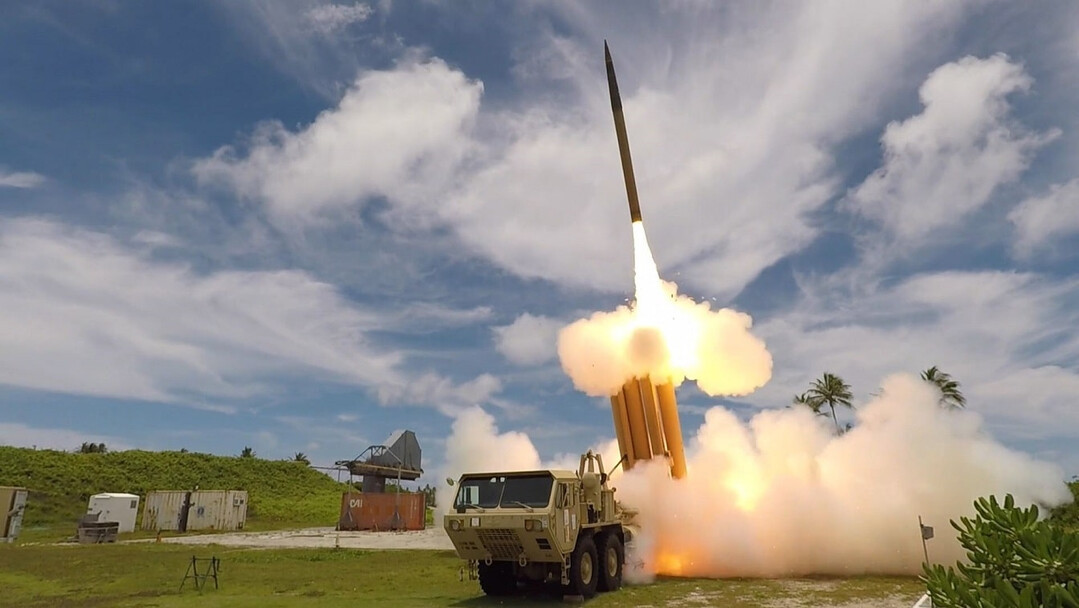
TAIPEI, Taiwan – Amid escalating threats from Beijing, Taiwanese President Lai Ching-te announced a comprehensive new defense strategy, dubbed the "Taiwan Shield" (T-Dome), during his National Day address on Friday. The T-Dome aims to establish a rigorous, multi-layered air defense system, analogous to Israel’s highly effective Iron Dome, capable of high-efficiency detection and interception.

In a direct message to Beijing, President Lai urged the Chinese regime to “abandon attempts to change the status quo in the Taiwan Strait with force and intimidation,” emphasizing the severe threat posed by expanding authoritarianism across the First Island Chain.

The T-Dome system is designed to integrate Taiwan's existing missile defense arsenal—including U.S.-made Patriot systems and the indigenous Tien Kung-3 (Sky Bow 3)—with advanced, domestically developed weaponry. A critical component of this strategy is the recently unveiled Chiang Kung (Strong Bow) missile interceptor. Developed by the National Chung-Shan Institute of Science and Technology (NCSIST), the Chiang Kung is capable of engaging targets at an altitude of up to 70 kilometers (43 miles), substantially raising Taiwan’s capability to counter high-altitude ballistic missiles.

To fund this strategic pivot, Lai reaffirmed his administration's pledge to substantially increase military spending, aiming to exceed 3% of GDP next year and reach 5% of GDP by 2030. This financial commitment, exceeding NATO’s spending guideline, is intended to maximize asymmetric deterrence and foster technological collaboration with advanced democratic nations, while excluding the “red supply chain.” The initiative highlights Taiwan's determination to maintain peace through strength and protect its citizens' security.

[Copyright (c) Global Economic Times. All Rights Reserved.]

  • #globaleconomictimes
  • #micorea
  • #mykorea
  • #Lifeplaza
  • #nammidonganews
  • #singaporenewsk
  • #Samsung
  • #Daewoo
  • #Hyosung
  • #A
Myung Sun Yim Correspondent
Myung Sun Yim Correspondent Global Economic Times Correspondent based in Los Angeles, USA

Popular articles

  • Netflix Withdraws Bid for Warner Bros. Discovery: "No Longer Financially Attractive"

  • From Table to Space: Japan Unveils Edible Spoons Made of Cookies

I like it
Share
  • Facebook
  • X
  • Kakaotalk
  • LINE
  • BAND
  • NAVER
  • https://globaleconomictimes.kr/article/1065602925767146 Copy URL copied.
Comments >

Comments 0

Weekly Hot Issue

  • The Death of the Architect's Draft? New AI Engine 'Nano Banana 2' Turns Rough Sketches into Professional 3D Walk-throughs
  • President Lee Celebrates Milestone for ‘The Man Living with the King,’ Pledges to Bolster Cultural Pride
  • Namyangju Targets Gwacheon Racecourse Relocation: A Vision for a "Blue-Green" Mega-Complex Linked to GTX and 3rd Generation New Towns
  • Korean Air Extends Suspension of Incheon–Dubai Route Through March 15 Amid Ongoing Disruptions
  • Genetic 'Molecular Mirror': Blood Tests Challenge Biopsy Limits in Ovarian Cancer Diagnosis
  • Samsung to Revolutionize Health Tracking: Galaxy Watch to Adopt Contact-Based Temperature Sensors for Enhanced Precision

Most Viewed

1
Adwa’s Echo in Korea: A Shared Story of Dignity and Freedom
2
2026, The Grand Year of Hangeul Celebration — The River of History Where Five Streams Converge
3
A New Milestone for Ukraine’s Post-War Reconstruction: The Birth of ISVP
4
Mexican currency and the powerful history behind its designs
5
Revised and Expanded Edition of ‘Failure of Negotiations with North Korea: Truth and Solutions’ Published
광고문의
임시1
임시3
임시2

Hot Issue

The $100 Oil Threshold: Wall Street Braces for a Paradigm Shift as Middle East Conflict Drags On

The Death of the Architect's Draft? New AI Engine 'Nano Banana 2' Turns Rough Sketches into Professional 3D Walk-throughs

Oppo Bridges the Great Divide: Find X9 to Support AirDrop Connectivity

China’s Strategic Gold Rush: Beijing Amasses Reserves for 16th Straight Month Amid Dollar Uncertainty

Let’s recycle the old blankets in Jeju Island’s closet instead of incinerating them.

Global Economic Times
korocamia@naver.com
CEO : LEE YEON-SIL
Publisher : KO YONG-CHUL
Registration number : Seoul, A55681
Registration Date : 2024-10-24
Youth Protection Manager: KO YONG-CHUL
Singapore Headquarters
5A Woodlands Road #11-34 The Tennery. S'677728
Korean Branch
Phone : +82(0)10 4724 5264
#304, 6 Nonhyeon-ro 111-gil, Gangnam-gu, Seoul
Copyright © Global Economic Times All Rights Reserved
  • 에이펙2025
  • APEC2025가이드북TV
  • 독도는우리땅
Search
Category
  • All articles
  • Synthesis
  • World
  • Business
  • Industry
  • ICT
  • Distribution Economy
  • Well+Being
  • Travel
  • Eco-News
  • Education
  • Korean Wave News
  • Opinion
  • Arts&Culture
  • Sports
  • People & Life 
    • 전체
    • International Student Report
    • With Ambassador
  • Column 
    • 전체
    • Cho Kijo Column
    • Cherry Garden Story
    • Ko Yong-chul Column
    • Kim Seul-Ong Column
    • Lee Yeon-sil Column
  • Photo News
  • New Book Guide
  • Multicultural News
  • Jobs & Workers