• 2026.10.21 (Wed)
  • All articles
  • LOGIN
  • JOIN
Global Economic Times
[등록] 2026-09-01 15:48:31
  • Synthesis
  • World
  • Business
  • Industry
  • ICT
  • Distribution Economy
  • Well+Being
    • Pet Life
    • Halal Horizon
  • Travel
  • Eco-News
  • Education
  • Korean Wave News
  • Opinion
  • Arts&Culture
  • Sports
  • People & Life
    • International Student Report
    • With Ambassador
  • Column
    • Cho Kijo Column
    • Cherry Garden Story
    • Ko Yong-chul Column
    • Kim Seul-Ong Column
    • Lee Yeon-sil Column
  • Photo News
  • New Book Guide
MENU
 
Home > Distribution Economy

Dollar Exchange Rate Continues to Decline, Reaches Weekly Low

Graciela Maria Reporter / Updated : 2025-07-16 17:29:51
  • -
  • +
  • Print


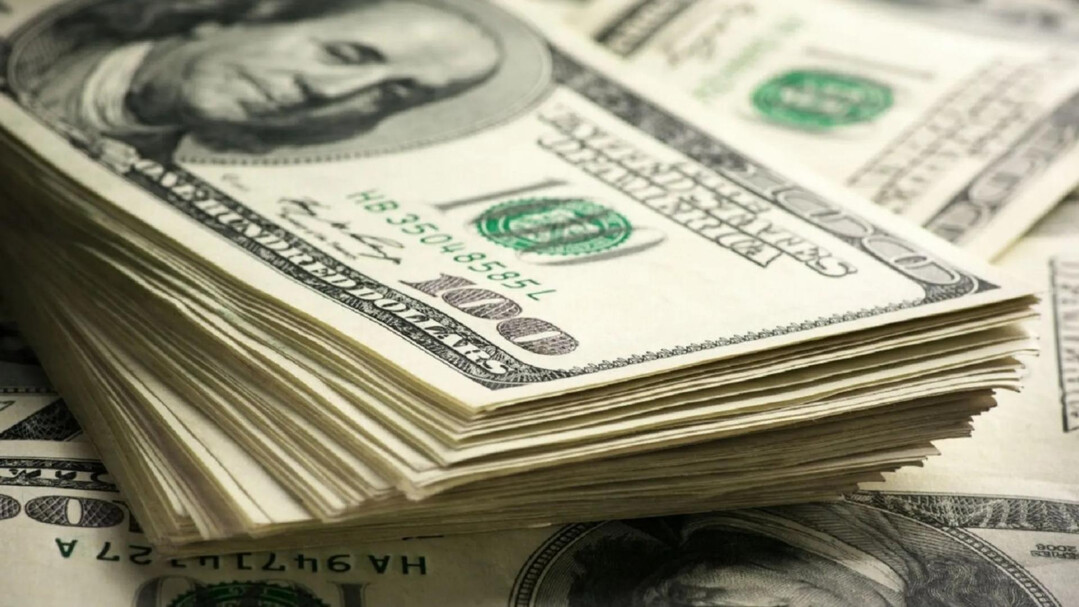
ASUNCIÓN, July 16, 2025 – The exchange rate of the Paraguayan Guaraní against the U.S. dollar has continued its downward trend this week, attracting significant attention from investors and the general public. Following a decline for the third consecutive week, the dollar's selling rate in the retail market hit 7,600 Guaraní on Tuesday (July 15), marking a new weekly low. This represents a 115 Guaraní drop compared to 7,715 Guaraní last Tuesday, demonstrating significant volatility in just one week.

As of Tuesday (July 15), the dollar's buying rate in the retail market was 7,460 Guaraní, maintaining a considerable gap with the selling rate. In contrast, the dollar was trading at 7,740 Guaraní in the interbank market, indicating a difference from the retail market.

At the beginning of this week, on Monday (July 14), the dollar recorded a selling rate of 7,650 Guaraní and a buying rate of 7,470 Guaraní in the retail market. From last Friday through the weekend, it maintained levels of 7,720 Guaraní for selling and 7,500 Guaraní for buying. This trend suggests that the depreciation of the dollar is not a short-term phenomenon but likely to persist for a considerable period.

Experts analyze the dollar's weakness as a result of complex factors. Economist Wildo González noted that while dollar depreciation typically occurs in March, April, and May due to foreign currency inflows from soybean harvests, this year the decline has exceptionally deepened after this period.

González identified the government's issuance of domestic market bonds as a primary cause of the current dollar weakness. He explained, "Two consecutive years of trade deficits have put downward pressure on the exchange rate," emphasizing, "The dollar's decline is the result of a combination of various factors, but the decisive trigger was the Ministry of Economy's issuance of bonds worth $80 million (equivalent)." His analysis suggests that by issuing dollar-denominated bonds in the domestic market, the government absorbed dollars, increasing the supply of dollars in the market and relatively lowering their value.

Furthermore, other factors related to the financial system, along with foreign currency inflows from the International Monetary Fund (IMF), have also contributed to the dollar's weakness. At the request of the Paraguayan government, the IMF recently disbursed $195 million to Paraguay, which also acted as a factor increasing the dollar supply in the market.

The current dollar weakness is expected to have several impacts on the Paraguayan economy. While it may alleviate inflationary pressures due to lower import prices, it could lead to weakened price competitiveness for export-oriented businesses. Additionally, individuals or companies that have invested in foreign currency assets may incur losses, thus requiring continuous attention and cautious responses to exchange rate fluctuations.

Experts are closely monitoring whether this dollar weakness will be a short-term phenomenon or a medium-to-long-term trend. The exchange rate could fluctuate again depending on the government's additional foreign currency policies or changes in the international economic situation. Market participants should continue to pay close attention to key economic indicators and policy announcements when formulating their investment strategies.

[Copyright (c) Global Economic Times. All Rights Reserved.]

  • #globaleconomictimes
  • #micorea
  • #mykorea
  • #Lifeplaza
  • #nammidonganews
  • #singaporenewsk
  • #Taiwanpost
  • #Samsung
  • #Doosa
Graciela Maria Reporter

Popular articles

  • "Remembering the Path to Reverse Automatically"... This Feature Spreading to Hyundai's New Cars

  • Severe Heat and AI Drive Japan's Power Crisis: Consideration of Life Extension for Aging Thermal Power Plants

  • Global Oil Prices Drop Below $100 Amid Signs of Saudi Supply Recovery

I like it
Share
  • Facebook
  • X
  • Kakaotalk
  • LINE
  • BAND
  • NAVER
  • https://globaleconomictimes.kr/article/1065601761621755 Copy URL copied.
Comments >

Comments 0

Weekly Hot Issue

  • Low-Volume Coins Face Crisis in Maintaining Listings... 41 Delisted or Designated for Caution in a Single Day
  • "Plunging 30% on Debut"… IPOs Also Hit by Chilly Stock Market
  • Tech Slump Spells Nightmare for Korean "Seohak Ants" Fleeing to U.S. Markets Amid Domestic Rout
  • France’s Fiscal Instability: A Blessing in Disguise for South Korea’s Bond Market?
  • Bank Stocks Hold Firm Amid KOSPI Slump... "Defensive Appeal Strong, but Continued Rally Unlikely"
  • Diverging IPO Demand Forecasts… Median Institutional Lock-up Plummets from 43% to 5%

Most Viewed

1
AMD CEO Lisa Su Meets with Samsung and SK Hynix Chiefs, Sparking HBM Partnership Hopes
2
Henri Kagan and Kenso Soai Awarded the Nobel Prize in Chemistry
3
Deploying Drones to Inspect Sites and Support Administrative Tasks
4
AI Takes Over Photo Production and Restoration, Leaving Neighborhood Studios Struggling
5
Government Unveils 1,000 Trillion Won "K-GX" Initiative to Drive Decarbonization and Green Tech
체리가든 스토리
nutri huevos
로타리
동포저널

Hot Issue

Is the AI Investment Boom Fading? Wall Street Shaken by South Korean AI Startup’s Market Plunge

Government Fails to Collect Over 38 Trillion Won in Revenue Last Year, Surging by 12 Trillion Won in Just One Year

"Are We Only Making Dramas with AI?"… China Stirred Up by 55% Token Controversy

Fashion Runway Show 2026

Let’s recycle the old blankets in Jeju Island’s closet instead of incinerating them.

Global Economic Times
korocamia@naver.com
CEO : LEE YEON-SIL
Publisher : KO YONG-CHUL
Registration number : Seoul, A55681
Registration Date : 2024-10-24
Youth Protection Manager: KO YONG-CHUL
Singapore Headquarters
5A Woodlands Road #11-34 The Tennery. S'677728
Korean Branch
Phone : +82(0)10 4724 5264
#304, 6 Nonhyeon-ro 111-gil, Gangnam-gu, Seoul
Copyright © Global Economic Times All Rights Reserved
  • 향기네무료급식
  • APEC2025
  • 반달곰 프로젝트
Search
Category
  • All articles
  • Synthesis
  • World
  • Business
  • Industry
  • ICT
  • Distribution Economy
  • Well+Being 
    • 전체
    • Pet Life
    • Halal Horizon
  • Travel
  • Eco-News
  • Education
  • Korean Wave News
  • Opinion
  • Arts&Culture
  • Sports
  • People & Life 
    • 전체
    • International Student Report
    • With Ambassador
  • Column 
    • 전체
    • Cho Kijo Column
    • Cherry Garden Story
    • Ko Yong-chul Column
    • Kim Seul-Ong Column
    • Lee Yeon-sil Column
  • Photo News
  • New Book Guide
  • Overseas Koreans
  • Multicultural News