• 2025.12.16 (Tue)
  • All articles
  • LOGIN
  • JOIN
Global Economic Times
APEC2025KOREA가이드북
  • Synthesis
  • World
  • Business
  • Industry
  • ICT
  • Distribution Economy
  • Well+Being
  • Travel
  • Eco-News
  • Education
  • Korean Wave News
  • Opinion
  • Arts&Culture
  • Sports
  • People & Life
  • Column
    • Cho Kijo Column
    • Lee Yeon-sil Column
    • Ko Yong-chul Column
    • Cherry Garden Story
  • Photo News
  • New Book Guide
MENU
 
Home > Synthesis

Cuban Authorities Crack Down on Illegal Drug Sales Amidst Widespread Shortages

ONLINE TEAM / Updated : 2025-03-10 17:03:28
  • -
  • +
  • Print

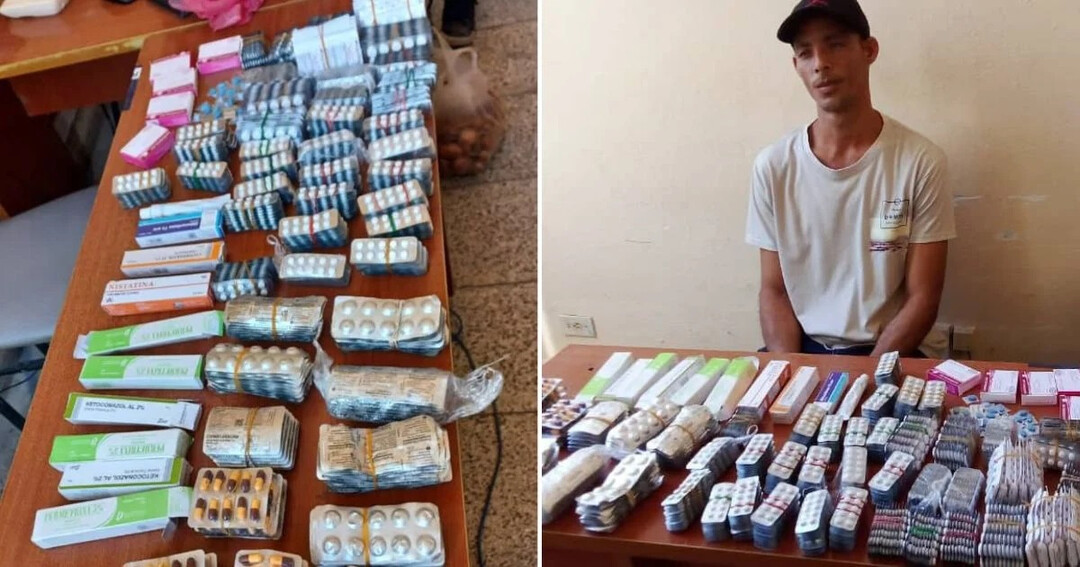
Havana, Cuba – In a move to combat the burgeoning black market for pharmaceuticals, Cuban authorities have detained a young individual in Old Havana's Monte district for the illegal sale of medications. The operation, conducted this past Saturday morning, underscores the government's intensified efforts to regulate the distribution of essential drugs.

During the arrest, law enforcement officials seized a significant quantity of medications, including critical antibiotics such as Amoxicillin, Ciprofloxacin, and Metronidazole. The confiscated goods also featured drugs for treating hypertension, antihistamines, pain relievers, and a range of dermatological creams and ointments.

The Ministry of the Interior, through its official channels, has reiterated its firm stance against the illegal sale of medications, emphasizing that such activities will not be tolerated. This crackdown occurs against a backdrop of severe medication shortages that have plagued Cuba's healthcare system.

Reports indicate that approximately 70% of the country's essential medications are either unavailable or experiencing significant shortages. Officials attribute this crisis to a lack of foreign currency, which is crucial for importing both finished medications and the raw materials needed for domestic production.

The persistent shortages have inevitably led to the rise of an informal market, where individuals attempt to fill the gaps left by the official distribution channels. While the government has implemented measures such as temporarily allowing duty-free importation of medications for personal use, these initiatives have inadvertently fueled unauthorized resales.

The Regulatory Authority of Medicines (Cecmed) has also issued multiple alerts regarding the circulation of counterfeit and adulterated drugs within the informal market, highlighting the severe health risks associated with these unregulated practices.

Furthermore, there is an ongoing discussion about the amount of money that is being invested into the health sector. Budgetary data reveals shifts in resource allocation, with debates focusing on the balance between investments in sectors like tourism versus essential services such as healthcare and education. While the state has increased nominal spending on public health, the structural challenges within the healthcare system persist, exacerbated by the ongoing medication shortages.

[Copyright (c) Global Economic Times. All Rights Reserved.]

  • #globaleconomictimes
  • #글로벌이코노믹타임즈
  • #한국
  • #중기청
  • #재외동포청
  • #외교부
  • #micorea
  • #mykorea
  • #newsk
  • #nammidonganews
  • #singaporenewsk
ONLINE TEAM
ONLINE TEAM
Reporter Page

Popular articles

  • Seoul Prosecution Joint Investigation Team Clears 'Drug Probe External Pressure' Allegations, Sparking Fierce Backlash from Police Superintendent

I like it
Share
  • Facebook
  • X
  • Kakaotalk
  • LINE
  • BAND
  • NAVER
  • https://globaleconomictimes.kr/article/1065600138890105 Copy URL copied.
Comments >

Comments 0

Weekly Hot Issue

  • R.E.D. Sectors Poised for Growth in 2026, the Year of the 'Red Horse,' Driven by AI Investment Boom
  • South Korea Launches $115 Million Export Voucher Program to Boost SME Global Reach
  • Extension Granted for '2026 Honors for SME Contributors' Application
  • 44% of Recent Construction Projects Report Deficits, Industry Survey Finds
  • South Korean AI Models Flunk College Entrance Math Exams, Lagging Far Behind Global Leaders
  • KRX Temporarily Slashes Stock Trading Fees by 20-40% to Counter ATS Rival

Most Viewed

1
Choi Bun-do, Chairman of PTV Group, Assumes Presidency of the Korean Chamber of Commerce and Industry in South Central Vietnam
2
From Court to Content: French Tennis Star Océane Dodin Trades Racquet for OnlyFans, Eyes $5M in a Year
3
Lee Dismisses Vice Minister Amid Allegations of Misconduct and Vetting Gaps
4
NVIDIA Lobby Succeeds? U.S. Bill Expected to Drop AI Chip Export Restrictions
5
US Layoffs Surge: Over 1.17 Million Job Cuts Announced in First 11 Months of 2025
광고문의
임시1
임시3
임시2

Hot Issue

South Korean AI Models Flunk College Entrance Math Exams, Lagging Far Behind Global Leaders

KRX Temporarily Slashes Stock Trading Fees by 20-40% to Counter ATS Rival

Israel Condemns Australia After Sydney Shooting, Citing 'Fueling' of Anti-Semitism

Lotte Mart Launches Major Imported Fruit Discount Event Amid High Prices

Let’s recycle the old blankets in Jeju Island’s closet instead of incinerating them.

Global Economic Times
korocamia@naver.com
CEO : LEE YEON-SIL
Publisher : KO YONG-CHUL
Registration number : Seoul, A55681
Registration Date : 2024-10-24
Youth Protection Manager: KO YONG-CHUL
Singapore Headquarters
5A Woodlands Road #11-34 The Tennery. S'677728
Korean Branch
Phone : +82(0)10 4724 5264
#304, 6 Nonhyeon-ro 111-gil, Gangnam-gu, Seoul
Copyright © Global Economic Times All Rights Reserved
  • 에이펙2025
  • APEC2025가이드북TV
  • 독도는우리땅
Search
Category
  • All articles
  • Synthesis
  • World
  • Business
  • Industry
  • ICT
  • Distribution Economy
  • Well+Being
  • Travel
  • Eco-News
  • Education
  • Korean Wave News
  • Opinion
  • Arts&Culture
  • Sports
  • People & Life
  • Column 
    • 전체
    • Cho Kijo Column
    • Lee Yeon-sil Column
    • Ko Yong-chul Column
    • Cherry Garden Story
  • Photo News
  • New Book Guide
  • Multicultural News
  • Jobs & Workers