![[등록] 2026-09-01 15:48:31](/support/_updata/banner2/tl181982910_6749.png)


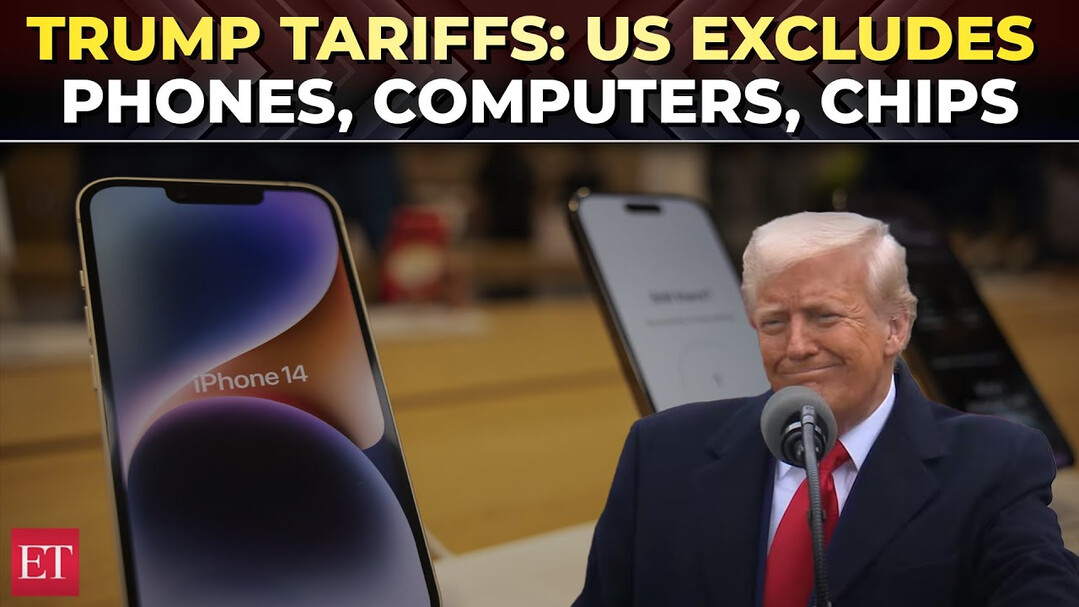
The decision by the US administration under President Donald Trump to exclude major electronic products such as smartphones and computers, along with semiconductors, from the so-called 'reciprocal' tariff imposition is expected to alleviate price burdens for consumers and benefit global electronic companies like Apple and Samsung Electronics.
This measure, announced late Friday by the U.S. Customs and Border Protection (CBP), details the exemption of these items from a potential 125% tariff on Chinese goods, as well as a baseline 10% global tariff applicable to products from nearly all countries, which President Trump had intended to impose.
The tariff exemptions include smartphones, laptop computers, hard drives, computer processors, and memory chips. These popular consumer electronics are generally not produced within the United States, and establishing domestic production facilities would require significant time, a factor likely taken into consideration.
Furthermore, semiconductor manufacturing equipment has also been excluded from the new tariff targets of the Trump administration. This holds significant implications not only for Taiwan Semiconductor Manufacturing Co. (TSMC), which has announced substantial investments in the US, but also for other semiconductor manufacturers.
However, some observers suggest that this tariff exemption might be temporary. The current exclusion is a result of an initial executive order preventing additional tariffs on specific sectors from accumulating on top of the baseline global tariff applied to the entire nation. This indicates that these items could soon be subject to other tariffs, particularly lower-rate tariffs on goods from China.
Indeed, semiconductors are among the items that President Trump has consistently vowed to impose specific tariffs on. While no concrete measures have been taken yet, this tariff exclusion appears consistent with such an exception policy. The Trump administration has so far set sectoral tariffs at around 25%, but the tariff rate for semiconductors and related products remains uncertain.
The White House did not immediately respond to requests for comment on this matter.
Background and Analysis:
The Trump administration's decision is seen as a result of considering several complex factors:
Easing Consumer Burden: Smartphones, computers, and the like are recognized as essential goods in modern society. Imposing high tariffs on these products could lead to a direct increase in price burdens for consumers, potentially negatively impacting the Trump administration's approval ratings.
Maintaining Global Supply Chains: The electronics industry relies on intricate global supply chains, and given the low proportion of domestic production in the US, imposing unreasonable tariffs could weaken the competitiveness of American companies and disrupt supply chains.
Securing Technological Competitiveness: The semiconductor industry plays a crucial role in securing America's technological competitiveness. Imposing tariffs on semiconductor manufacturing equipment could hinder the development of the US semiconductor industry. The attraction of TSMC's investment in the US is particularly significant in this context.
Potential Shift in China Pressure Strategy: Some analysts suggest that this measure indicates a subtle shift in the Trump administration's strategy to pressure China. Rather than indiscriminate high tariffs, there might be a move towards targeted pressure on specific key technology sectors.
Future Outlook:
Despite this tariff exemption, the uncertainty surrounding the US-China trade conflict remains high. The possibility of the Trump administration imposing separate tariffs on specific sectors like semiconductors cannot be ruled out, and tariff policies could change at any time depending on the outcome of future trade negotiations.
While global electronic companies like Apple and Samsung Electronics will have reduced tariff burdens for the time being due to this decision, they will need to continuously monitor the developments in the US-China trade conflict and flexibly adjust their supply chain management and business strategies. Furthermore, they should also be mindful of the potential for increased pressure to expand production facilities within the United States.
Additional Information:
Reciprocal Tariffs: These refer to tariffs imposed by a country on the products of another country at a level equivalent to or similar to the tariffs that the latter country imposes on the former's products. The Trump administration has advocated for reciprocal tariffs to address the US trade deficit and create a fair trade environment.
US Efforts to Foster the Semiconductor Industry: In recent years, the US government has been actively pursuing policies to expand domestic semiconductor production facilities and strengthen technological competitiveness. The 'CHIPS and Science Act' was enacted to provide substantial subsidies for semiconductor manufacturing and research and development, and efforts are being made to attract investments from major companies like TSMC and Intel in the US.
US-China Tech Hegemony Competition: The semiconductor industry is a core area of competition in the US-China tech hegemony rivalry. China is trying to increase its semiconductor self-sufficiency through initiatives like the 'Made in China 2025' plan, while the US is focused on preventing the leakage of advanced technology and protecting its domestic industry.
This decision by the Trump administration can be interpreted as a result of careful consideration of America's strategic interests amidst a complex web of global trade order and technological hegemony competition. Continued attention to the future direction of US trade policy and the resulting changes in the global economy and industrial landscape is necessary.
[Copyright (c) Global Economic Times. All Rights Reserved.]