• 2025.12.18 (Thu)
  • All articles
  • LOGIN
  • JOIN
Global Economic Times
APEC2025KOREA가이드북
  • Synthesis
  • World
  • Business
  • Industry
  • ICT
  • Distribution Economy
  • Well+Being
  • Travel
  • Eco-News
  • Education
  • Korean Wave News
  • Opinion
  • Arts&Culture
  • Sports
  • People & Life
  • Column
    • Cho Kijo Column
    • Lee Yeon-sil Column
    • Ko Yong-chul Column
    • Cherry Garden Story
  • Photo News
  • New Book Guide
MENU
 
Home > Synthesis

Over 90% of Old Apartment Playgrounds in Seoul and Gyeonggi-do Found Unsafe

Hwang Sujin Reporter / Updated : 2024-12-05 15:24:41
  • -
  • +
  • Print


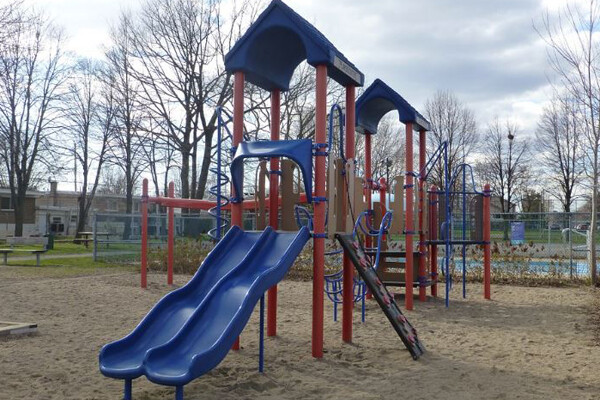
Seoul, South Korea – A recent survey conducted by the Korea Consumer Agency has revealed a concerning state of safety in playgrounds located within aging apartment complexes in Seoul and Gyeonggi-do. Out of the 32 playgrounds inspected, over 90% were found to pose significant safety hazards to children.

The investigation focused on playgrounds in apartment complexes that had been in use for 25 years or more. The results, released on [Date], highlighted severe maintenance issues, including corrosion of metal structures, broken equipment, and peeling paint on playsets. Additionally, some rubber flooring materials tested positive for harmful substances, including potential carcinogens.

Of the 32 playgrounds examined, a staggering 29 (90.6%) exhibited safety concerns, while only three (9.4%) were deemed to be in satisfactory condition. Common issues included corroded metal frames, damaged steps and seats, and peeling paint on handles and railings. Moreover, 19 playgrounds (59.4%) had rubber flooring that was hardened or damaged, creating tripping hazards and exposing children to loose rubber chips.

Despite legal requirements mandating monthly self-inspections and biennial professional assessments for playground equipment, many of the inspected playgrounds fell short of these standards.

Furthermore, the study underscored the need for stricter regulations regarding the materials used in playground flooring. While seven playgrounds met the environmental health standards for rubber flooring, six others exceeded the permissible limits for polycyclic aromatic hydrocarbons (PAHs) when compared to standards applied to school athletic facilities. Additionally, three playgrounds had elevated lead levels. Both PAHs and lead are classified as carcinogens or potential carcinogens by the International Agency for Research on Cancer (IARC), and their presence in playground materials poses a significant health risk to children.

The consumer agency has shared the findings with the relevant authorities and has urged them to take immediate action to address the identified issues, including repairs, replacements, and enhanced safety inspections.

The agency also highlighted the persistent problem of playground-related accidents, with over 1,000 incidents reported annually in recent years. This underscores the urgent need for improved safety measures and stricter enforcement of existing regulations.

[Copyright (c) Global Economic Times. All Rights Reserved.]

Hwang Sujin Reporter

Popular articles

  • From Court to Content: French Tennis Star Océane Dodin Trades Racquet for OnlyFans, Eyes $5M in a Year

  • Kimchi's Day Celebrated with a Glimpse into its Future

  • UNIQLO's Collaboration Strategy: Designer Fashion Meets Mass Appeal

I like it
Share
  • Facebook
  • X
  • Kakaotalk
  • LINE
  • BAND
  • NAVER
  • https://globaleconomictimes.kr/article/1065594216995259 Copy URL copied.
Comments >

Comments 0

Weekly Hot Issue

  • Doosan Group Chosen as Preferred Bidder for SK Siltron in Multi-Billion Dollar Deal
  • Even Elite "Collective Intelligence" Fails: Seoul National University Students Miss the Mark on Exchange Rate Forecasts
  • The Ambassador’s Cup Taekwondo Championship Returns to Bulgaria, Celebrating Martial Arts and Diplomacy
  • Nobel Laureate Machado Departs Oslo; Remains in Good Spirits Despite Spinal Injury
  • Google Completes Gemini 3 Lineup with Launch of ‘Flash’ Model: High Speed Meets Uncompromised Intelligence
  • Germany Approves Massive $60 Billion Rearmament Package to Bolster Defense

Most Viewed

1
From Court to Content: French Tennis Star Océane Dodin Trades Racquet for OnlyFans, Eyes $5M in a Year
2
Choi Bun-do, Chairman of PTV Group, Assumes Presidency of the Korean Chamber of Commerce and Industry in South Central Vietnam
3
Lee Dismisses Vice Minister Amid Allegations of Misconduct and Vetting Gaps
4
NVIDIA Lobby Succeeds? U.S. Bill Expected to Drop AI Chip Export Restrictions
5
US Layoffs Surge: Over 1.17 Million Job Cuts Announced in First 11 Months of 2025
광고문의
임시1
임시3
임시2

Hot Issue

UK to Rejoin EU’s Erasmus+ Program in 2027: A Major Milestone in Post-Brexit Relations

China’s SpaceSail Challenges Starlink’s Hegemony in Brazil’s Satellite Internet Market

U.S. Congress Passes 2026 NDAA: A Legislative Fortress Against Unilateral Troop Withdrawals

Meloni Blocks Key EU Initiatives: Italy’s "My Way" Policy Shadows Upcoming Summit

Let’s recycle the old blankets in Jeju Island’s closet instead of incinerating them.

Global Economic Times
korocamia@naver.com
CEO : LEE YEON-SIL
Publisher : KO YONG-CHUL
Registration number : Seoul, A55681
Registration Date : 2024-10-24
Youth Protection Manager: KO YONG-CHUL
Singapore Headquarters
5A Woodlands Road #11-34 The Tennery. S'677728
Korean Branch
Phone : +82(0)10 4724 5264
#304, 6 Nonhyeon-ro 111-gil, Gangnam-gu, Seoul
Copyright © Global Economic Times All Rights Reserved
  • 에이펙2025
  • APEC2025가이드북TV
  • 독도는우리땅
Search
Category
  • All articles
  • Synthesis
  • World
  • Business
  • Industry
  • ICT
  • Distribution Economy
  • Well+Being
  • Travel
  • Eco-News
  • Education
  • Korean Wave News
  • Opinion
  • Arts&Culture
  • Sports
  • People & Life
  • Column 
    • 전체
    • Cho Kijo Column
    • Lee Yeon-sil Column
    • Ko Yong-chul Column
    • Cherry Garden Story
  • Photo News
  • New Book Guide
  • Multicultural News
  • Jobs & Workers