![[등록] 2026-09-01 15:48:31](/support/_updata/banner2/tl181982910_6749.png)


The world's largest economy contracted at an annualized quarterly rate of 0.2% in the first quarter of 2025, a tenth of a percentage point lower than initial estimates. This marks the first decline in U.S. GDP since early 2022, signaling a significant shift from the robust growth observed in 2024, when the economy expanded by a healthy 2.8%. The downturn is largely attributed to the erratic economic and trade policies enacted by the Trump administration.
Revised Estimates and Contributing Factors
The Bureau of Economic Analysis (BEA), an agency of the U.S. Department of Commerce, released its second estimate for Q1 GDP, which revised the initial 0.3% annualized contraction (0.1% quarterly drop) to 0.2% (0.1% quarterly). This revision was driven by an upward adjustment in investment, partially offset by a downward revision in consumer spending. A third and final estimate will be released next month as more comprehensive data becomes available.
The Decisive Impact of Accelerating Imports
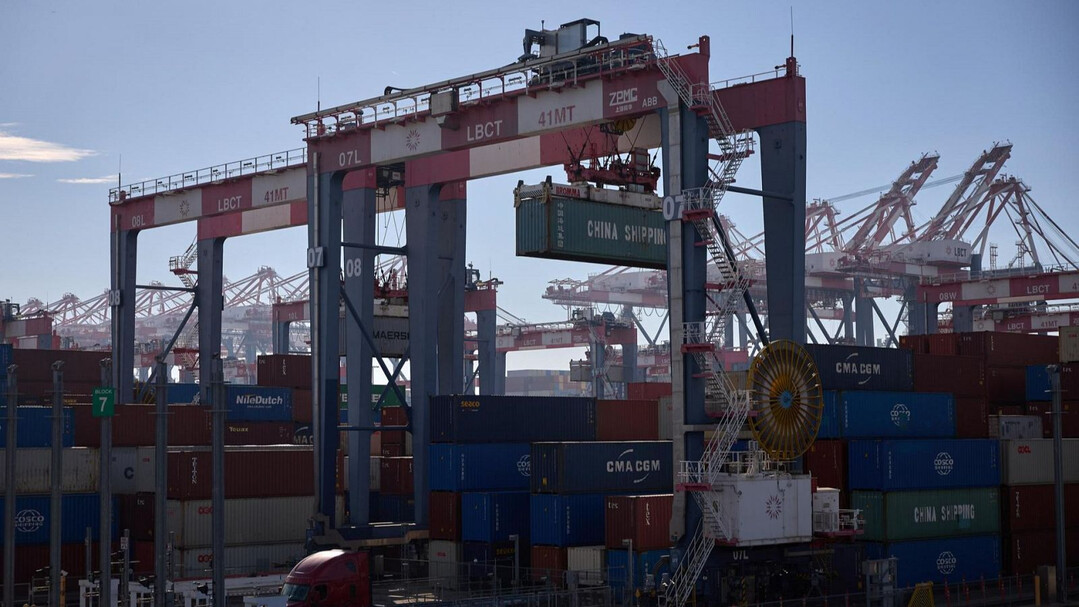
The primary drag on growth was a significant acceleration in imports. Businesses and individuals, anticipating widespread tariffs, front-loaded their purchases from abroad. This surge in imports, which are subtracted in GDP calculations, had a "completely decisive" impact. Specifically, imports of goods grew at an annualized quarterly rate of 53.3%, up from the 50.9% initially estimated. Without this substantial drag, the U.S. economy would have otherwise experienced strong growth in the first quarter. The extent to which this pulled-forward demand will correct in subsequent quarters remains to be seen. While current data indicates only a modest increase in inventories, this figure is often subject to revision and could be adjusted upward.
Additional Headwinds: Public Spending and Consumer Confidence
Beyond imports, a reduction in public spending also curtailed economic growth. The anticipation of rising inflation and an economic cooldown further dampened consumer spending, which traditionally serves as the main engine of the U.S. economy. Various other factors, including the freezing of congressionally approved disbursements, the dismissal of federal employees without cause, and heightened immigration enforcement, have collectively generated significant uncertainty and damaged economic activity. These measures have undermined the formidable resilience the U.S. economy has demonstrated against recessionary pressures in recent years.
The Specter of Recession and Fed Concerns
The "cursed word" of recession re-emerged in the minutes of the latest Federal Reserve meeting, released earlier this week. The central bank's economists have downgraded their forecasts for real GDP growth in 2025 and 2026, citing the burden of trade policy. They also anticipate that trade policies will lead to slower productivity growth, thereby reducing the potential GDP growth in the coming years. According to the minutes, "Staff judged the possibility of the economy entering a recession to be nearly as likely as the baseline forecast."
Fed economists project a "substantial" weakening of the labor market, with the unemployment rate expected to rise above its natural rate this year and remain elevated through 2027. They also foresee tariffs "notably" boosting inflation this year.
Heightened Uncertainty and Legal Challenges to Tariffs
Members of the Federal Reserve highlighted increased uncertainty during their meeting, a sentiment that has only intensified. The latest development in the tariff saga unfolded when the U.S. Court of International Trade, the specialized judicial body with jurisdiction over trade matters, declared generalized import tariffs imposed by Trump under an emergency powers law to be illegal.
This ruling nullifies and renders ineffective the 25% tariffs on imports from Canada and Mexico and the 20% tariffs on imports from China, which were ostensibly justified by concerns over fentanyl and immigration. It also overturns the so-called "reciprocal tariffs" applied globally, initially announced on what was misleadingly termed "Liberation Day." These tariffs were later broadly reduced by 10% after the President relented and granted a partial 90-day truce under market pressure. This legal setback further adds to the complexity and uncertainty surrounding U.S. trade policy and its impact on the economy.
[Copyright (c) Global Economic Times. All Rights Reserved.]