![[등록] 2026-09-01 15:48:31](/support/_updata/banner2/tl181982910_6749.png)


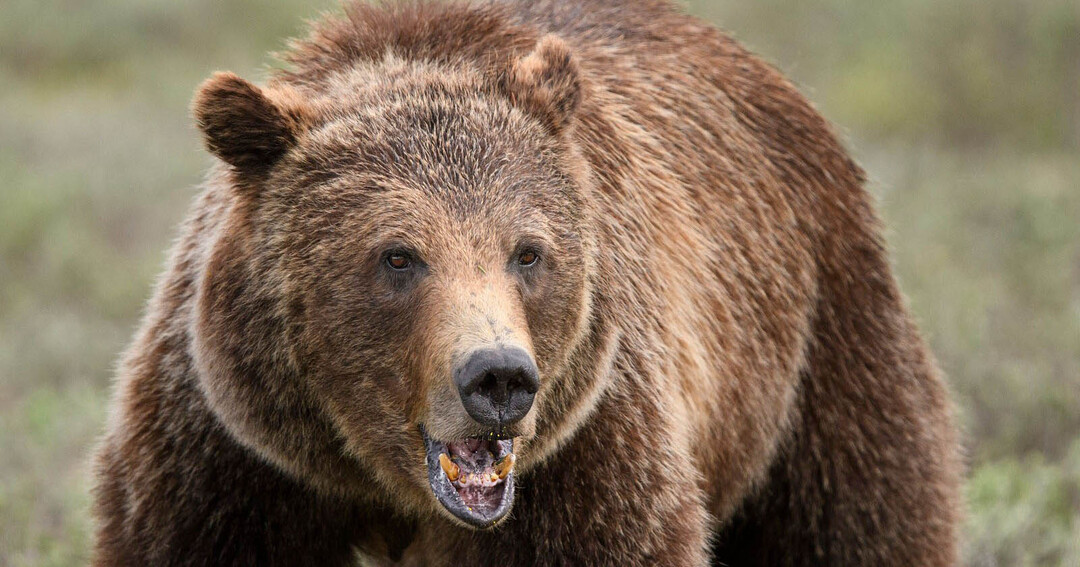
(C) Petapixel
TOKYO – A critical spike in human-wildlife conflict has gripped Japan, with the latest figures from the Ministry of the Environment confirming that bear attacks have reached unprecedented levels. Between April and November of the 2025 fiscal year, a staggering 230 individuals were killed or injured by bears, eclipsing the previous full-year record and marking a severe escalation in a long-simmering ecological challenge.
The casualty count for the eight-month period already surpasses the 219 victims recorded across the entire 2023 fiscal year. More alarmingly, the number of fatalities stands at 13, more than doubling the six deaths that previously constituted the highest annual toll. The data, published today by outlets including the Nihon Keizai Shimbun, underscores a burgeoning crisis that the government is now scrambling to contain.
In November alone, a total of 33 people suffered injuries or death from bear encounters, highlighting that the threat has persisted well into the late autumn. As bears typically enter hibernation in early winter, their continued presence and aggressive behavior in populated zones signal a deepening problem that experts attribute to multiple environmental and demographic factors.
The geographical distribution of the attacks reveals concentrated hotspots, with Northern Honshu bearing the brunt of the crisis. Akita Prefecture reported the highest number of victims with 66, followed by Iwate Prefecture (37), Fukushima Prefecture (24), and Niigata Prefecture (17). These areas, characterized by their proximity to dense mountain forests and dwindling rural populations, offer bears both an accessible habitat and less immediate resistance.
The root causes of the surge are complex. The Ministry of the Environment suggests a combination of a growing bear population and the animals becoming habituated to foraging in human residential zones. Successive mild winters have aided bear survival rates, leading to a higher overall population density. Concurrently, a poor harvest of natural forage—such as acorns and nuts—in the mountain forests has forced hungry bears to venture further into towns and villages in search of sustenance, particularly during the pre-hibernation period.
Evidence of this increased interaction is compelling. Bear sighting reports, which exclude the Hokkaido, Kyushu, and Okinawa regions, soared to 36,814 this period, drastically exceeding the 24,348 reports filed in 2023. In response, local authorities have ramped up culling efforts. The number of bears captured during this eight-month span also set a record at 9,867, surpassing the 9,276 captured during the entire 2023 fiscal year. While necessary for immediate public safety, the high capture rate points to the extent of the wildlife incursion into the human domain.
Addressing the crisis requires a multi-pronged approach that extends beyond simple capture and culling. The Ministry of the Environment has issued a stark warning that the threat will likely continue through December, urging residents in affected areas to remain vigilant. In an attempt to finance immediate and long-term protective measures, the Ministry plans to allocate 3.4 billion yen for bear damage countermeasures, which will be included in the current fiscal year’s supplementary budget.
This funding is earmarked for public education campaigns, improving early warning systems, and perhaps, more controversially, strengthening the infrastructure for bear removal and translocation. Experts are calling for holistic strategies, including better waste management in rural areas to eliminate easy food sources, and sustained monitoring of bear populations to predict and preempt their movement patterns.
The record casualty figures represent not just a public safety failure, but a profound conservation and ecological challenge for Japan, forcing a national discussion on how to sustainably manage the coexistence of humans and predators in an increasingly shared landscape.
[Copyright (c) Global Economic Times. All Rights Reserved.]