![[등록] 2026-09-01 15:48:31](/support/_updata/banner2/tl181982910_6749.png)


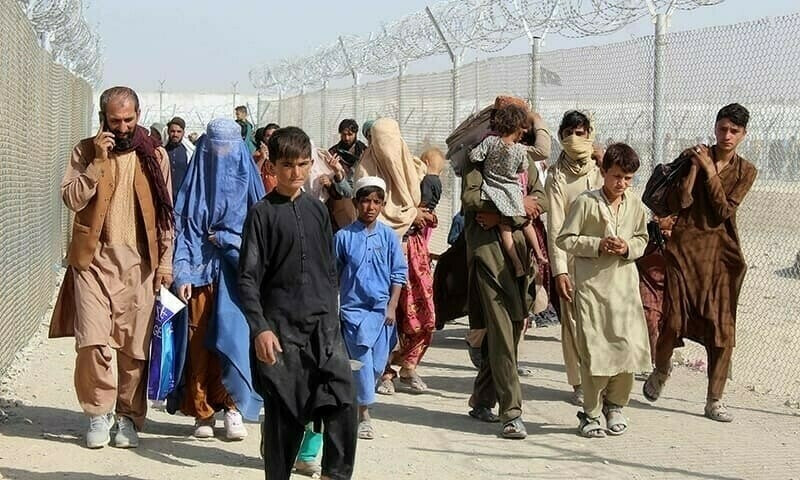
ISLAMABAD — Pakistan has issued a firm directive for all documented Afghan migrants, holding Afghan Citizen Cards (ACCs), to leave the country by March 31, 2025, or face deportation. This order, announced on Friday, significantly escalates Pakistan's "Illegal Foreigners Repatriation Program" launched in October 2023, and comes amid heightened security tensions and accusations of Afghan involvement in terrorist activities.
The decision affects nearly 900,000 documented Afghan economic migrants residing in Pakistan. The Pakistani Interior Ministry's press release stated, "In continuation of the government’s decision to repatriate all illegal foreigners, national leadership has now decided to also repatriate ACC holders. All illegal foreigners and ACC holders are advised to leave the country voluntarily before 31 March 2025; thereafter, deportation will commence with effect from 1 April 2025."
This directive follows a plea from the Afghan Ministry of Refugee and Repatriation Affairs for Pakistan to slow down the ongoing expulsion of Afghans. However, Pakistan maintains that "sufficient time has already been granted for their dignified return." Since the repatriation program began, over 842,000 Afghans have left Pakistan, including more than 40,000 deportees, according to UNHCR data.
Security Concerns and Escalating Tensions
Pakistan's decision is deeply rooted in security concerns. The country ranks second globally in terms of terrorism impact, according to the Global Terrorism Index. The Tehreek-e-Taliban Pakistan (TTP) has seen a dramatic rise in activity, with a near doubling of deaths attributed to the group in 2024.
Islamabad accuses the Afghan Taliban of harboring TTP militants and alleges that Afghan nationals are involved in terror attacks claimed by the TTP and its affiliates. This accusation has been a major point of contention between the two nations.
The recent directive follows a deadly twin suicide bombing at a military compound in Khyber Pakhtunkhwa province, which killed 18 people, including five soldiers. The Pakistani military claimed that Afghan nationals were among the 16 militants killed in the attack and that the operation was planned from Afghanistan. The Afghan Taliban have denied these accusations.
Increased Arrests and Detentions
The UNHCR has reported a significant increase in the arrest and detention of Afghans in Pakistan, particularly in the capital region. Since the start of 2025, over 2,600 Afghans have been arrested across Pakistan, with nearly 2,300 being undocumented or ACC holders. Islamabad and its surrounding areas have seen close to 1,200 arrests.
In January alone, Pakistan deported 1,000 Afghans, with over 800 rounded up from Islamabad and Rawalpindi, including women and children. The Joint Action Committee for Refugees, a Pakistani advocacy group, has raised alarms over these actions, claiming that authorities have rounded up more than 200 Afghans in recent days, violating court orders against refugee harassment.
Humanitarian Concerns and Border Tensions
Despite the Interior Ministry’s assurances that “no one will be maltreated during the repatriation process” and that food and healthcare arrangements have been made, humanitarian organizations remain concerned about the welfare of those being deported.
The order coincides with heightened tensions at the Torkham border crossing, the busiest between Pakistan and Afghanistan, which remains closed following intense shelling from both sides. This closure adds to the already precarious situation for those being forced to return.
International and Regional Context
Pakistan’s actions come at a time of increased regional instability. The ongoing tensions between Pakistan and Afghanistan highlight the complex security challenges facing the region. The international community, including the United Nations, has called for humane treatment of refugees and adherence to international law.
The situation underscores the urgent need for diplomatic solutions to address the root causes of migration and terrorism in the region, while ensuring the protection of vulnerable populations.
[Copyright (c) Global Economic Times. All Rights Reserved.]