![[등록] 2026-09-01 15:48:31](/support/_updata/banner2/tl181982910_6749.png)


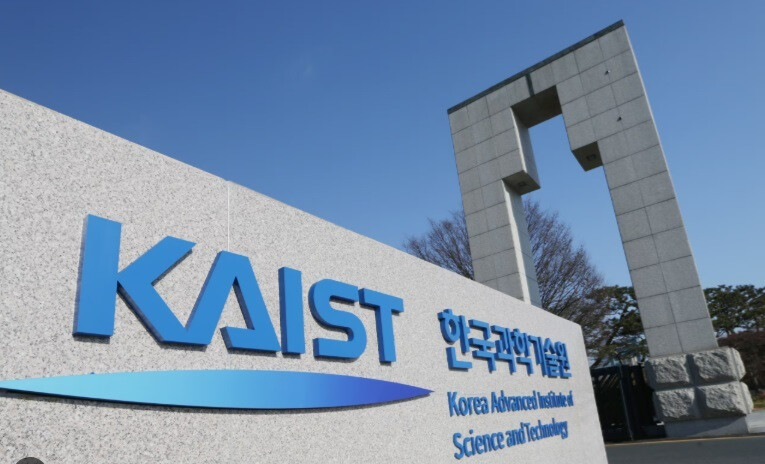
DAEJEON — The student community at the Korea Advanced Institute of Science and Technology (KAIST) has entered a state of formal protest following an unprecedented decision by the institution’s Board of Trustees. On March 6, 2026, the undergraduate and graduate student councils issued a joint statement demanding transparency and systemic reform after the board voted down the appointment of a new president.
A Historic Deadlock
The controversy stems from a board meeting held on February 26, where the motion to appoint a new president was officially rejected. This marks the first time in KAIST’s 55-year history that a presidential candidate failed to secure board approval.
In their joint statement, the student councils highlighted the gravity of the situation:
"This rejection does not exist in a vacuum. It follows a year-long delay in the selection process. To reach a deadlock now, without a clear explanation, is an act of negligence toward the university’s future."
Concerns Over Leadership Vacuum
The students expressed deep concern that the ongoing vacancy at the helm of South Korea’s premier science and technology university threatens more than just campus administration. As KAIST is a cornerstone of national research and development, the students argue that a "leadership vacuum" could derail the country’s strategic scientific initiatives.
The councils pointedly criticized the board for its "opaque decision-making," noting that the lack of a reasoned justification for the rejection has eroded the trust of the faculty, staff, and students.
Demands for Reform
The joint statement outlines three primary demands addressed to the Board of Trustees:
Accountability: A detailed explanation regarding the grounds for the rejection and a formal apology to the KAIST community.
Expediency: An immediate resumption of the selection process to minimize administrative damage.
Structural Change: The overhaul of the current "closed-door" selection system in favor of a transparent process that incorporates the voices of campus members.
"A decision without an explanation is not a responsible judgment," the councils stated. "The board must present a rational basis for this move and provide a clear roadmap for recovery."
[Copyright (c) Global Economic Times. All Rights Reserved.]