![[등록] 2026-09-01 15:48:31](/support/_updata/banner2/tl181982910_6749.png)


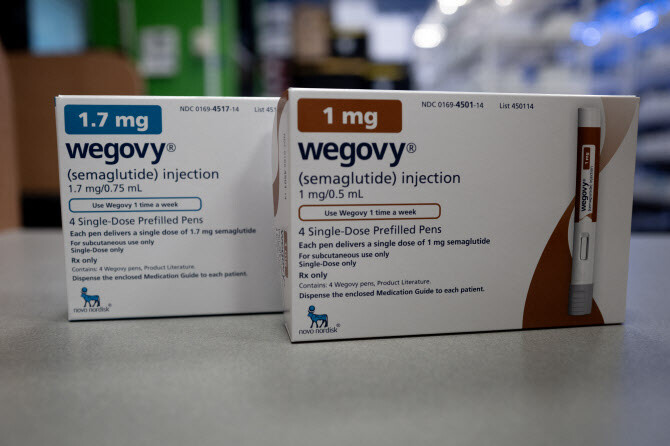
Copenhagen, Denmark – Shares of Danish pharmaceutical giant Novo Nordisk, widely known for its blockbuster obesity drug Wegovy, plummeted by 23% on Wednesday after the company sharply lowered its full-year earnings forecast. The significant decline wiped approximately $70 billion from the company's market capitalization, signaling a tumultuous period for the firm that had soared to become Europe's most valuable publicly listed company.
The dramatic drop was triggered by Novo Nordisk's announcement that it anticipates a tougher second half of the year due to intensifying competition in the booming obesity treatment market. The company revised its 2024 revenue growth outlook from a previous range of 13-21% down to a more modest 8-14%. This downward revision sent shockwaves through the market, with shares on the Danish stock exchange temporarily dipping as much as 29.8% before recovering slightly to close 23% lower. So far this year, the stock has now fallen by 44%.
Novo Nordisk, which also has a listing on the New York Stock Exchange, has been a dominant force in the GLP-1 (glucagon-like peptide-1) agonist market, thanks to the success of Wegovy and its diabetes drug Ozempic. These medications have transformed the landscape of weight management and diabetes care, driving unprecedented growth for the company since Wegovy's launch in 2021.
However, the rapid ascent has attracted significant competition, not just from other established pharmaceutical companies but also from a growing, and often unregulated, segment of compounded medications. This "compounding" issue appears to be a major factor in Novo Nordisk's revised outlook. While U.S. regulations generally prohibit pharmacies from replicating approved drugs, they do allow for compounding in specific cases where a customized dosage or formulation is medically necessary for a patient. Critics argue that some pharmacies are exploiting this provision to create generic versions of GLP-1 agonists, often at a lower cost, thereby siphoning market share from approved and regulated products like Wegovy.
"The extent of the outlook adjustment is shocking," said Markus Manns, a portfolio manager at Union Investment, a Novo Nordisk shareholder, in an interview with Reuters. "The problems at Novo Nordisk are more significant than just 'compounded drugs'." This sentiment was echoed by Angelo Meda, head of equities at Banor SIM, an Italian financial firm, who stated that Novo Nordisk has gone "from market darling to market's worst." He further emphasized that the core issue is the loss of market share to "illegal distribution channels, which is hard to quantify. It will take time to restore trust."
In an attempt to stabilize the company and reassure investors, Novo Nordisk has appointed veteran internal executive Maziar Mike Doustdar as its new CEO. However, this leadership change has not yet managed to quell investor anxieties.
The emergence of these compounded alternatives, often available through online pharmacies and wellness clinics, presents a complex challenge for Novo Nordisk. These versions, while potentially cheaper, often lack the rigorous clinical trials and regulatory oversight of an FDA-approved drug, raising concerns about their safety, efficacy, and consistent dosing. The company now faces the arduous task of not only competing with established pharmaceutical rivals but also navigating a gray market that is difficult to monitor and regulate. The path to regaining investor confidence and market share will likely involve robust legal strategies, enhanced patient education, and a clear communication plan regarding the benefits of its approved treatments over compounded alternatives. The coming months will be crucial in determining whether Novo Nordisk can effectively address these challenges and regain its momentum in the competitive and evolving obesity treatment market.
[Copyright (c) Global Economic Times. All Rights Reserved.]