![[등록] 2026-09-01 15:48:31](/support/_updata/banner2/tl181982910_6749.png)


(C) France 24
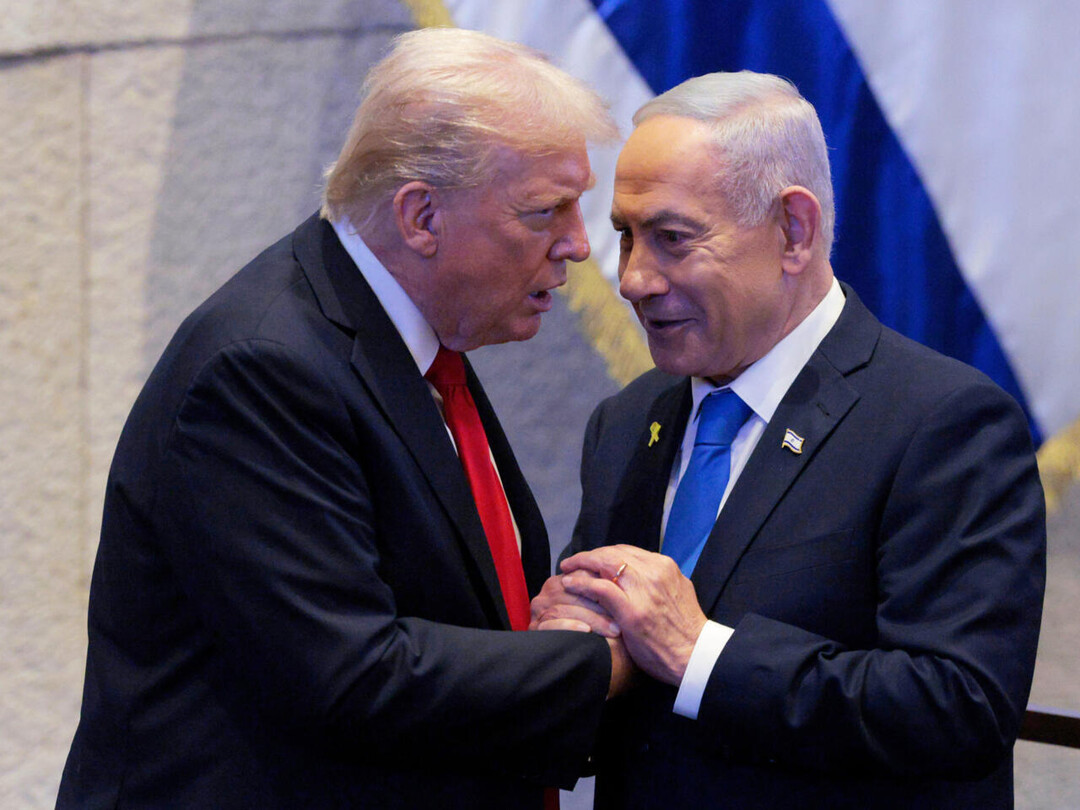
WASHINGTON — A fragile diplomatic breakthrough in the Middle East is facing its first major crisis as U.S. President Donald Trump appeared to backtrack on including Lebanon in a regional ceasefire agreement. The sudden policy shift, reportedly following a high-stakes telephone conversation with Israeli Prime Minister Benjamin Netanyahu, has thrown the broader peace process into immediate turmoil and raised questions about the durability of the recent U.S.-Iran accord.
The Sudden Policy Reversal
According to diplomatic sources cited by CBS News on Thursday, President Trump had initially agreed to include Lebanon as a designated "ceasefire zone" in the comprehensive regional peace framework. This inclusion was reportedly a cornerstone of the negotiations involving Iran, the mediating government of Pakistan, and initial consent from Israeli officials.
However, the consensus evaporated following a phone call between Trump and Netanyahu. Sources familiar with the discussion indicate that the Israeli Prime Minister made a forceful case against a Lebanon ceasefire, emphasizing the persistent threat posed by Hezbollah, the Iran-backed militant group.
Following the call, Trump’s rhetoric shifted markedly. In an interview with PBS, the President claimed that Lebanon was "never part of the original deal," specifically citing Hezbollah as the primary obstacle. He went on to characterize the ongoing Israeli strikes in Lebanon as a "separate conflict" unrelated to the broader ceasefire with Tehran.
Escalation Amidst the "Ceasefire"
The consequences of this exclusion were felt immediately on the ground. Despite the official announcement of a regional halt in hostilities, the Israeli Defense Forces (IDF) intensified their operations in the north. The IDF reported striking over 100 targets across Lebanon, while Lebanese health authorities reported a staggering death toll of over 200 civilians and combatants within hours of the strikes.
Iran has seized on these developments, accusing the United States and Israel of a "flagrant violation" of the hard-won two-week ceasefire. This escalation now threatens the reopening of the Strait of Hormuz, a critical global energy artery that Iran had agreed to unblock as part of the initial deal.
Netanyahu’s Influence and the "Lebanon Exception"
Analysts view the shift as a clear indication of Netanyahu’s enduring influence over the Trump administration’s Middle East policy. By convincing Washington to view Lebanon as a separate theater of war, Israel has secured a "military corridor" to continue its campaign against Hezbollah infrastructure without technically breaching the U.S.-Iran agreement in the eyes of the White House.
The White House, attempting to manage the fallout, has announced an emergency tripartite meeting in Washington D.C. next week. Representatives from the U.S., Israel, and the Lebanese government are expected to attend, with the goal of brokering a "separate track" peace deal for the border regions.
A Fragile Path Forward
In a subsequent interview with NBC, President Trump attempted to project optimism, stating that Prime Minister Netanyahu had assured him that Israel would "scale back" its operations and "exercise restraint." Netanyahu himself has hinted at a willingness to engage in direct negotiations aimed at the disarmament of Hezbollah and the normalization of ties with the Lebanese government.
However, skepticism remains high. With Israel maintaining its right to "military necessity" in Lebanon and Iran threatening to shut down the Strait of Hormuz once again, the Lebanon issue has transformed from a secondary concern into the primary hurdle for regional stability.
Analysis Note: The "Lebanon Exception" creates a dangerous gray area in international diplomacy. If the Washington D.C. talks fail to produce a concrete sub-agreement, the broader regional ceasefire may collapse before it even reaches its 14-day milestone.
[Copyright (c) Global Economic Times. All Rights Reserved.]