![[등록] 2026-09-01 15:48:31](/support/_updata/banner2/tl181982910_6749.png)


(C) News1
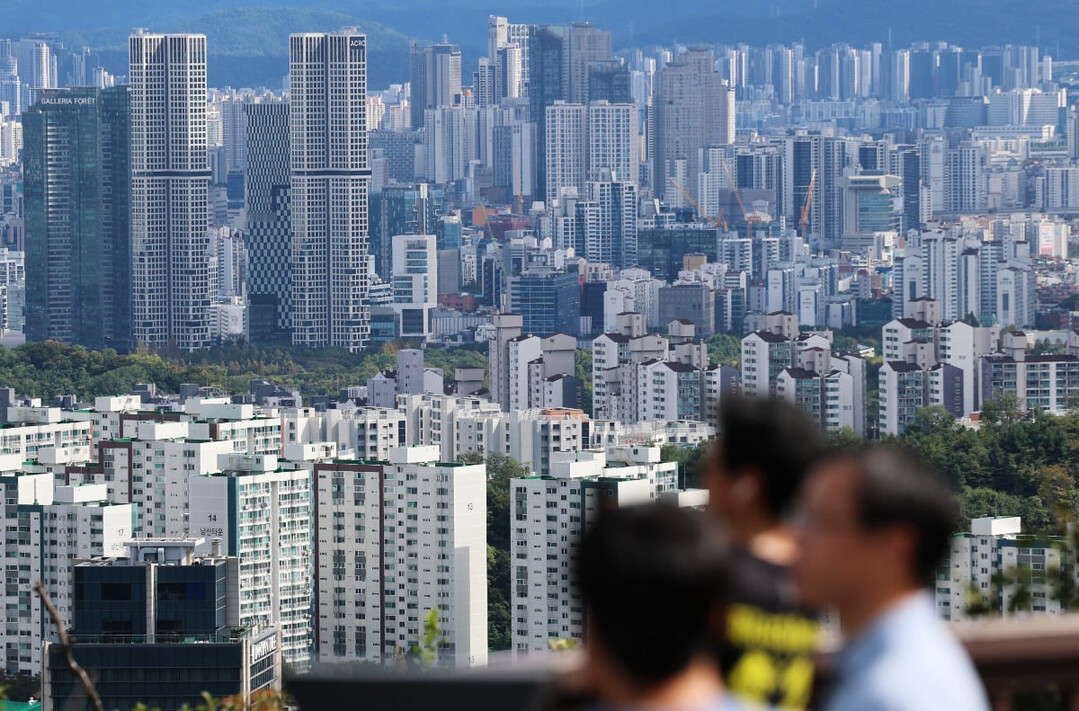
SEOUL – The number of subscribers to housing subscription savings accounts in South Korea has declined for the fourth consecutive year, as sky-high apartment prices and extreme competition for winning bids continue to drive away potential homebuyers.
According to data released by the Korea Real Estate Board on the 18th, the total number of subscribers stood at 26,184,107 at the end of 2025, a decrease of 301,116 (1.1%) compared to the previous year. This downward trend began in mid-2022, after the subscriber count peaked at approximately 28.6 million.
The "Unreachable" Dream of Winning a Bid
Market analysts point to the widening gap between stagnant wages and soaring apartment prices as the primary reason for the exodus. In popular districts like Seocho and Songpa in Seoul, the winning "cut-off" scores have reached levels that are nearly impossible for average citizens to achieve.
For instance, in major 2025 projects such as 'Banpo Raemian Trinione' and 'Jamsil Leel,' the winning scores for 4-person households often exceeded 70 points (out of a 69-point maximum for that category). In some cases, "perfect scores" of 84 points were recorded, effectively meaning that unless a person has a large family and has waited decades, their chances of winning are slim to none.
Economic Deterrents
Beyond the competition, economic factors are weighing heavily on subscribers:
Rising Construction Costs: Increased labor and material costs have pushed up sale prices, making even "subsidized" apartments unaffordable without significant cash reserves.
Interest Rate Gaps: While market interest rates rose, the interest paid on subscription accounts remained relatively unattractive, prompting many to move their funds to high-yield savings or investment products.
A Silver Lining for the 2nd Tier?
Despite the overall decline, the pace of the decrease has slowed for two consecutive years. While the number of 1st-tier (priority) subscribers fell by nearly 590,000, 2nd-tier subscribers actually increased by about 288,000.
This shift is attributed to recent government policy changes, including increasing the annual income tax deduction limit to 3 million won and expanding special supply quotas for newlyweds and households with newborns. These incentives appear to be encouraging younger generations to maintain their accounts as a long-term safety net, even if immediate homeownership seems out of reach.
[Copyright (c) Global Economic Times. All Rights Reserved.]