![[등록] 2026-09-01 15:48:31](/support/_updata/banner2/tl181982910_6749.png)


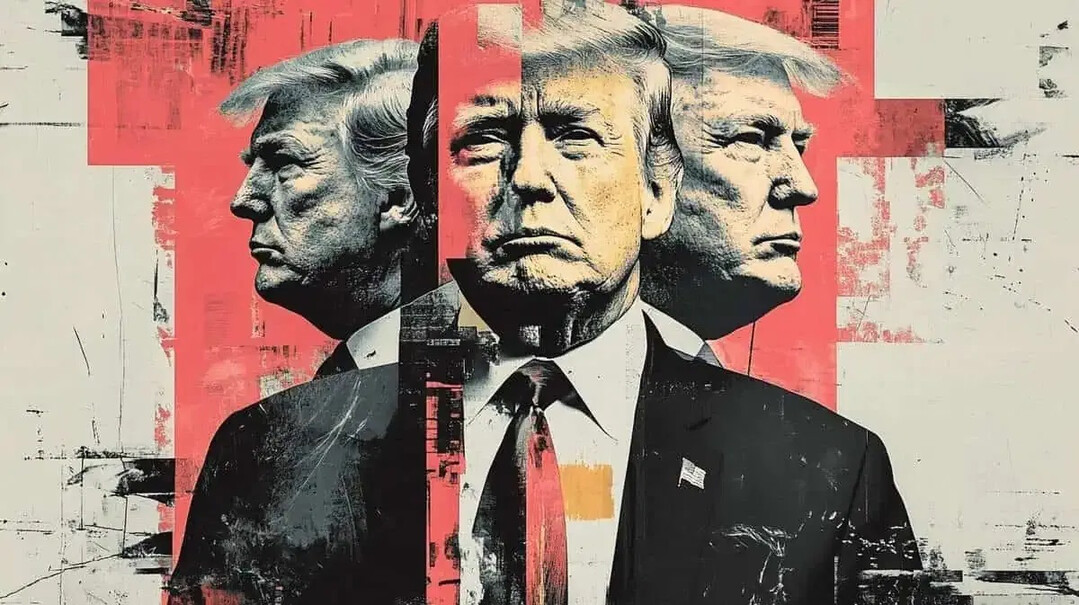
(C) Social Europe
As the United States approaches a pivotal political juncture, a world-renowned historian has issued a stark warning: President Donald Trump may leverage national emergency declarations to postpone or suspend the upcoming November midterm elections, potentially steering the nation toward an authoritarian regime.
Robert Darnton, a distinguished professor emeritus at Harvard University and a leading authority on the French Revolution, shared these grim projections in a recent interview with the Argentine daily La Nación. Darnton, who received the National Humanities Medal in 2011, argued that the current socio-political climate in the U.S. exhibits dangerous symptoms of "despotism" fueled by fear and institutional erosion.
The Strategy of Emergency and Delay
According to Darnton, the most alarming scenario involves the President invoking emergency powers to freeze the electoral process. "Trump has publicly stated in the past that a dictator is sometimes necessary," Darnton noted. He pointed to the presence of military personnel on the streets of various American cities as a chilling signal of how far the current administration might go to maintain its grip on power.
The historian’s concerns are rooted in the shift from democratic norms to a system where power is justified by force rather than ideological values like liberty. Darnton observed that the National Security Strategy released last year already began prioritizing a power-based international order over traditional democratic promotion.
The Erosion of Truth and the Rise of Fear
A central pillar of this "despotic" shift, Darnton argues, is the systematic destruction of public trust in the media. With a significant portion of the population rejecting information from journalists and intellectuals in favor of unverified social media narratives, the shared reality necessary for a functioning democracy is disintegrating.
"We are seeing the rapid spread of misinformation which poses a grave danger to democratic stability," Darnton said. He further emphasized that while official state censorship may not be codified, a "culture of self-censorship" has permeated every level of society. From immigrant communities to elite law firms and universities, individuals are increasingly tempering their speech out of fear of government reprisal or professional fallout.
Montesquieu and the Politics of Terror
Invoking the political philosophy of Montesquieu, Darnton reminded the public that the fundamental principle of a despotic government is fear. He suggested that the current administration's pressure on independent media—exacerbated by corporate takeovers and mass layoffs of journalists—is a deliberate attempt to stifle dissent and consolidate control through intimidation.
Despite this dark outlook, Darnton noted that the American public is not entirely silent. Current polling suggests that 60% to 70% of citizens remain critical of recent military involvements and domestic policies. Whether this internal opposition can withstand the pressure of a declared national emergency remains the ultimate question for the future of the American republic.
[Copyright (c) Global Economic Times. All Rights Reserved.]