![[등록] 2026-09-01 15:48:31](/support/_updata/banner2/tl181982910_6749.png)


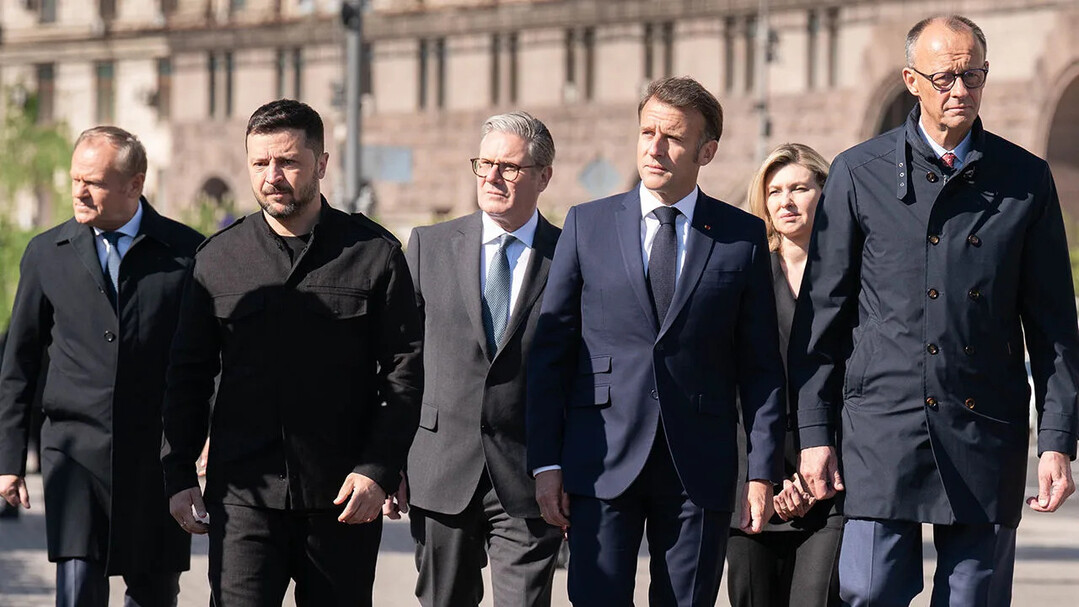
(C) The Economist
DAVOS, Switzerland — Tensions reached a boiling point at the World Economic Forum on Tuesday as European heads of state unleashed a wave of unprecedented criticism against U.S. President Donald Trump, labeling his pursuit of Greenland and aggressive tariff policies as "imperialism."
A Breakdown in Transatlantic Relations
The rhetoric in Davos marked a sharp departure from the usually measured diplomatic tone. French President Emmanuel Macron led the charge, accusing the United States of using "unacceptable tariffs" as leverage against the territorial sovereignty of sovereign nations.
"We are heading toward a lawless world where international law is simply ignored," Macron warned during his keynote address, pointing to a resurgence of "imperialistic ambitions" across the globe.
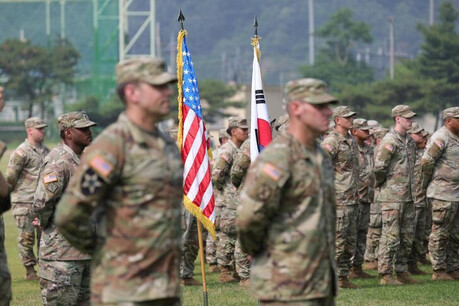
The confrontation follows President Trump's recent announcement of a 10% additional tariff on eight European nations that sent military training forces to Greenland. This move has been widely interpreted as a retaliatory measure against Europe's resistance to his proposal to annex the Danish territory.
"The Age of Atlanticism is Ending"
The sentiment of a fracturing West was echoed by Belgian Prime Minister Bart De Wever. Quoting Italian philosopher Antonio Gramsci, De Wever issued a stark provocation toward the U.S. President: "It is up to him [Trump] to decide whether or not he wants to become a monster."
"We will either stand together or be divided," De Wever added. "If we divide, the 80-year era of Atlanticism will truly come to an end."
Former NATO Secretary-General Anders Fogh Rasmussen also urged European leaders to stop "appeasing" Washington. "The time for flattery is over," Rasmussen told AFP. "Trump only respects strength, toughness, and unity. This is not just a NATO crisis; it is a challenge to the entire global order established after World War II."
Diplomatic Mind Games and "Hysteria"
The friction has also played out in personal spheres. President Trump recently took to social media to leak private text messages from President Macron. The messages revealed Macron's proposal for a late-night dinner in Paris and an emergency G7 meeting. Trump has yet to confirm if he will accept the invitation.
Representing the U.S. delegation in Davos, Treasury Secretary Scott Bessent dismissed the European outcry as "hysteria," telling leaders to "take a deep breath."
Ukraine Sidelined Amidst the Feud
The escalating row over Greenland has cast a shadow over the Russia-Ukraine conflict. Ukrainian President Volodymyr Zelenskyy, originally scheduled to attend the forum, effectively canceled his appearance.
"I will only travel to Davos when we are ready to sign the security guarantee and prosperity plan with the U.S.," Zelenskyy stated, signaling frustration as diplomatic focus shifts away from Kyiv. Meanwhile, Russian envoy Kirill Dmitriev was reportedly seen meeting with U.S. special envoy Steve Witkoff and Jared Kushner, suggesting that back-channel talks regarding Russia may be proceeding despite the transatlantic turmoil.
[Copyright (c) Global Economic Times. All Rights Reserved.]