![[등록] 2026-09-01 15:48:31](/support/_updata/banner2/tl181982910_6749.png)


(C) Outlook Money
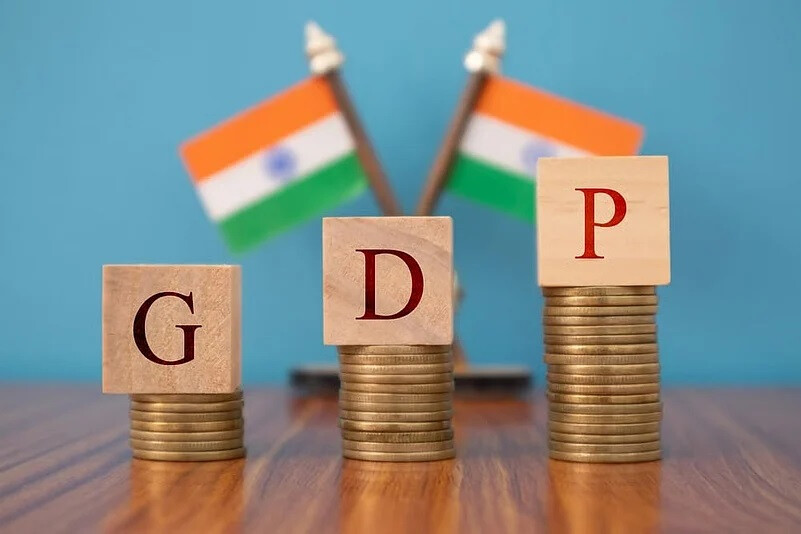
NEW DELHI—Global ratings agency S&P has projected that the Indian economy will maintain a strong growth trajectory, forecasting a 6.5% rise in Gross Domestic Product (GDP) for the current fiscal year (ending March next year) and accelerating to 6.7% in the following fiscal year. This optimistic outlook comes despite the imposition of exceptionally high punitive tariffs by the United States, signaling the powerful insulating effect of robust domestic consumption and key internal reforms.
Domestic Demand Counteracts External Headwinds
The S&P forecast, detailed in its Asia-Pacific Economic Outlook report released yesterday, emphasizes that the strength of domestic consumption remains the primary driver sustaining India's momentum, effectively offsetting the significant drag from US trade restrictions.
The agency's assessment highlighted India's impressive performance in the first quarter (April-June) of the current fiscal year, where GDP growth registered 7.8%, marking the fastest expansion in five quarters.
While the Reserve Bank of India (RBI) had previously projected a slightly higher full-year growth rate of 6.8% (up from 6.5% in the preceding fiscal year), S&P's figures underscore a consensus that the Indian economy is firmly in an expansion phase.
The Impact of US Tariffs
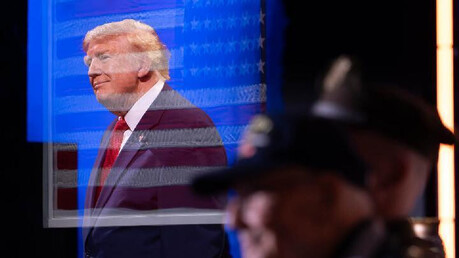
A key factor clouding the immediate outlook is the punitive trade measure implemented by the US. Citing India's continued imports of Russian crude oil, the US levied a combined 50% reciprocal tariff on most Indian exports, including a 25% penal tariff, effective August 27.
S&P acknowledged the immediate negative consequence, stating that the GDP growth rate for the current fiscal year's second quarter (July-September) is expected to be “significantly subdued” due to the US high tariffs. Official second-quarter GDP figures are slated for public release on November 28.
However, the agency expressed a belief that the economy as a whole will “maintain its growth momentum” over the full fiscal year.
Trade Talks: A Potential De-escalation
Crucially, S&P pointed to ongoing trade negotiations between Washington and New Delhi as a potential source of relief. There are clear indications that the US may reduce its current tariff rates on Indian exports.
The report noted: “While the US tariffs on India are imposing pressure on the growth of India, which is an export-oriented manufacturing nation, there are signs that the US will lower tariffs on Indian export items.”
The successful conclusion of a trade agreement between the two nations would be a major positive catalyst. S&P stated that such an agreement would “reduce uncertainty and increase confidence” in bilateral trade, which is expected to specifically revitalize India's labor-intensive sectors.
Internal Reforms as Growth Engines
Beyond consumption, S&P identifies several internal policy measures as crucial for sustaining growth, predicting they will play a “greater role than investment” in bolstering the economy for both the current and next fiscal years.
These positive domestic factors include:
Goods and Services Tax (GST) Implementation: The government's consistent efforts to streamline and optimize the GST framework have simplified the tax regime, enhancing compliance and formalizing the economy.
Shutterstock
Income Tax Reductions: Strategic tax cuts have boosted disposable income, directly feeding into the strong domestic consumption narrative.
Interest Rate Cuts: Timely monetary policy easing by the RBI has kept borrowing costs manageable, supporting credit growth and business expansion.
S&P's analysis suggests that the combined effect of these fiscal and monetary measures will ensure the economy's resilience against global economic slowdowns and specific trade penalties.
A Global Outlier in 2026
Looking ahead, the forecast of 6.7% growth for the 2026-2027 fiscal year positions India as one of the fastest-growing major economies globally. The underlying narrative is a fundamental shift in India's growth drivers: a move away from being overly reliant on export demand toward a more self-reliant model anchored by its massive, under-penetrated domestic market.
This economic transformation is underpinned by significant government capital expenditure (Capex) focused on infrastructure, which creates jobs and improves logistics, further amplifying the benefits of consumption growth. The "India Story" is increasingly defined by this dual engine of private consumption and public investment, providing a robust buffer against the unpredictable currents of international trade policy. The coming quarters will test whether this domestic fortitude can fully absorb the current trade shocks while the nation pursues comprehensive trade agreements to secure long-term export stability.
[Copyright (c) Global Economic Times. All Rights Reserved.]