![[등록] 2026-09-01 15:48:31](/support/_updata/banner2/tl181982910_6749.png)


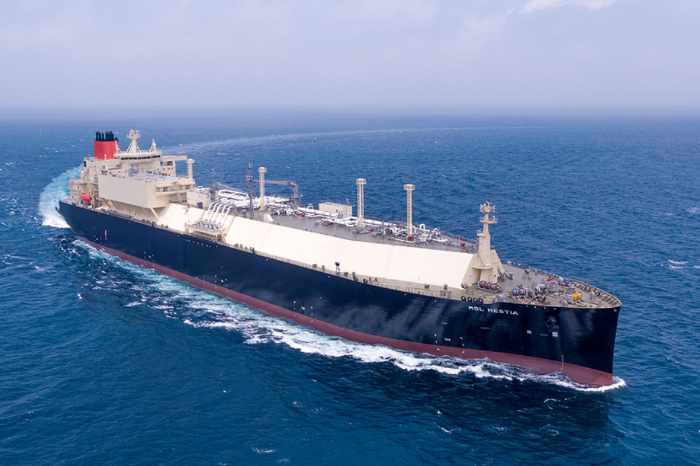
SEOUL — South Korea’s shipbuilding industry is off to a strong start in 2026, surpassing 20% of its annual order targets in the first quarter alone. Amid escalating geopolitical risks in the Middle East, expectations for increased orders of Liquefied Natural Gas (LNG) carriers and oil tankers are driving a rapid expansion of order backlogs.
Major Players Hit Early Milestones
According to industry sources on April 5, the "Big Three" South Korean shipbuilders have already secured significant portions of their yearly goals:
HD Korea Shipbuilding & Offshore Engineering (KSOE): Has secured $5.34 billion (approx. 8 trillion KRW) for 43 vessels, achieving 22.9% of its $23.31 billion annual target.
Samsung Heavy Industries: Has bagged $2.9 billion for 14 vessels, reaching 21% of its $13.9 billion goal.
Hanwha Ocean: While not disclosing a specific annual target, the company is performing strongly with $2.32 billion in orders for 11 vessels so far.
The "War Premium" and Market Dynamics
Industry analysts suggest that the domestic shipbuilding sector is benefiting from a "reflection effect" caused by Middle East instability. As tensions involving the U.S., Israel, and Iran threaten the Strait of Hormuz—a vital artery for 20% of global oil trade—demand for LNG carriers and tankers has spiked.
The market is currently seeing a "perfect storm" of demand drivers:
Replacement Demand: Aging tanker fleets are being phased out.
LNG Projects: Large-scale global LNG projects are entering full-scale operations.
Route Disruptions: Concerns over the Suez Canal due to Houthi rebel involvement in the Red Sea are further incentivizing shipowners to place new orders.
Rising Freight Rates: High shipping costs are boosting demand for new container ships.
Record Prices and Strategic Selectivity
Profitability is also on the rise as vessel prices remain robust. According to the Clarkson Newbuilding Price Index from late February:
LNG Carriers: $248.5 million
Very Large Crude Carriers (VLCC): $128.5 million
"Since we have already secured a three-to-four-year work backlog, we are focusing on a selective order strategy that prioritizes profitability," said an industry official.
However, experts remain cautious. While inquiries for new builds have increased since the outbreak of conflict, prolonged blockades of major sea lanes could eventually lead to a decline in total cargo volume, potentially cooling the shipbuilding market in the long run.
[Copyright (c) Global Economic Times. All Rights Reserved.]