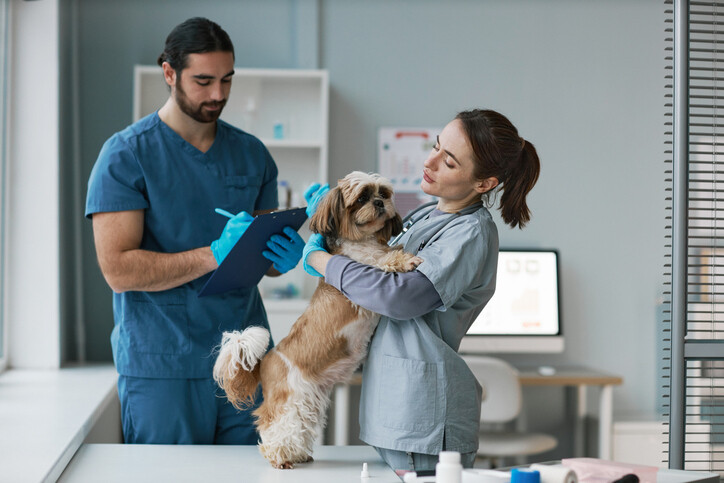
By reflecting on lessons from veterinary schools and culinary masters, experts emphasize that a successful veterinary career is built on daily habits, clear principles, constant curiosity, and strong communication rather than flashy medical techniques.
When meeting with prospective veterinarians preparing to enter the field, their questions typically revolve around career logistics: Which clinic accelerates clinical growth the fastest? What do interviewers look for? When is the best time to choose a medical specialty? However, mentoring these new graduates consistently brings to light a fundamental truth: entering the profession requires mastery of foundational basics far more than advanced, glamorous procedures.
In his book On the Basics, renowned Chinese cuisine master Hoo Deok-juk identified grit, direction, curiosity, and human connection as the four pillars for sustained success and growth. While written for a professional kitchen, these principles translate seamlessly into the veterinary exam room—and they hold profound meaning for pet owners navigating animal healthcare.
1. Grit: Perfecting the Mundane Every Day
A rookie veterinarian’s daily routine is often filled with seemingly simple tasks: performing physical checks, charting, and monitoring hospitalized patients. Though low-profile, these moments dictate the quality of medical care.
Animals cannot voice their pain, meaning severe conditions often announce themselves through subtle shifts—a slightly accelerated respiratory rate, a few unEaten kibbles, or an unusual posture. Catching these warning signs requires meticulous habits and structured observation. The tenacity to approach every routine task with unwavering care is the true definition of professional grit.
2. Direction: Principles Over Prestige
New graduates frequently fixate on where they will work, overlooking a more critical question: What kind of veterinary principles do I want to uphold?
Clinical practice constantly forces difficult crossroads—determining whether to run additional tests, initiate immediate treatment, or manage owner expectations. A veterinarian grounded in the core philosophy of "What is best for this animal and its family?" remains steadfast even as years of experience accumulate.
3. Curiosity: Embracing Lifelong Learning
Veterinary medicine evolves at a rapid pace. Standard protocols shift with new research, and human medical diagnostic techniques frequently cross over into animal care. Passing board exams is not the finish line; it is the starting gate for true clinical education.
An exceptional veterinarian never stops asking "Why?" Instead of striving for instant perfection, they embrace a continuous learning loop: observing experienced mentors, applying techniques hands-on, receiving feedback, and adapting for the next patient. Rejecting yesterday’s knowledge to treat today’s patient defines ultimate clinical competence.
4. People: Medicine is a Collaborative Art
While the patient is an animal, veterinary care is a collaborative human endeavor. Pet owners are the primary observers who notice subtle changes—the onset of a cough, nighttime behavioral shifts, or environmental adjustments. Their observations serve as critical diagnostic clues.
Inside the clinic, multidisciplinary teamwork is equally vital. Accurate information sharing among veterinarians, veterinary technicians, and specialists ensures patient safety. Consequently, interpersonal communication and mutual respect are just as valuable as technical medical proficiency.
What Pet Owners Should Look For: Signs of Quality Care
These foundational principles apply directly to pet parents seeking reliable veterinary services. Exceptional care usually manifests through simple, rigorous habits:
Holistic Evaluations: Examining the whole body (weight, temperature, auscultation, gum color) rather than hyper-focusing solely on the symptom area.
Active Listening: Thoroughly inquiring about the history and progression of symptoms.
Transparent Communication: Explaining the rationale behind diagnostic tests, interpreting results clearly, and outlining future treatment plans.
Home-Care Guidance: Providing clear instructions on what symptoms or behavioral shifts warrant a follow-up visit.
Pet owners can play an active role by tracking daily metrics—food consumption, waste output, breathing patterns, and energy levels—and recording detailed notes or videos when abnormalities arise, providing invaluable data for the attending veterinarian.
The Ideal New Colleague
Hospitals do not expect interns or fresh graduates to possess master-level clinical skills. Instead, they look for individuals dedicated to mastering the basics, committed to lifelong learning, and eager to grow alongside their team. Ultimately, great veterinarians are not forged by a single miraculous surgery, but by the accumulation of today's diligent physical exams, precise charts, and compassionate conversations.
[Copyright (c) Global Economic Times. All Rights Reserved.]