SHENZHEN, China — The inaugural trilateral summit bringing together the leaders of the United States, China, and Russia concluded with sweeping diplomatic pronouncements but fell short of producing binding agreements on pressing global crises, underscoring the deep-seated rivalries among the world's major powers.
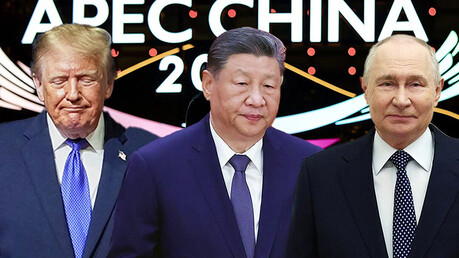
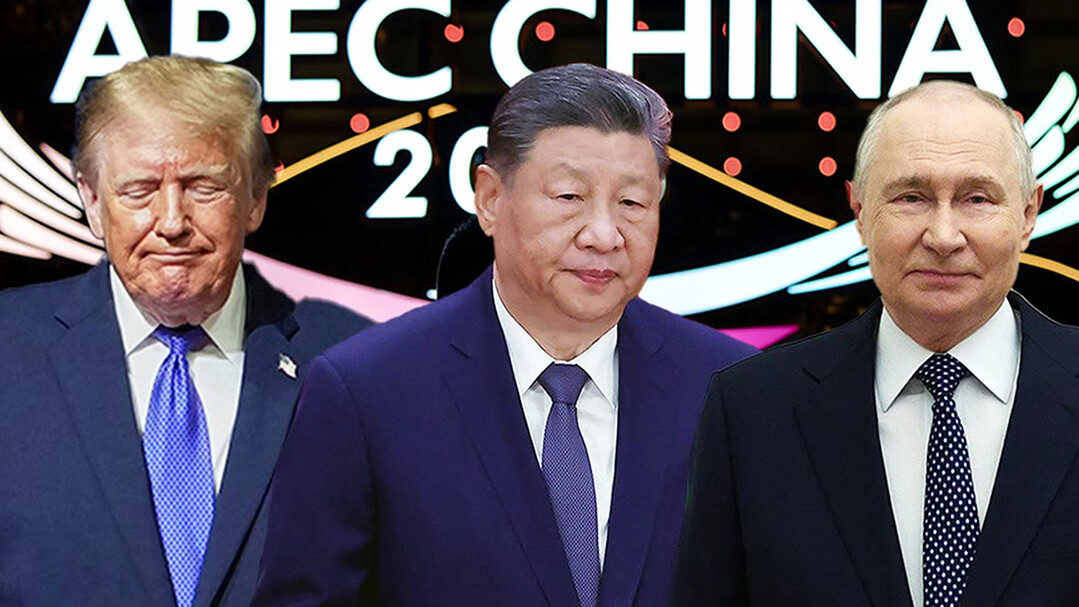
U.S. President Donald Trump, Chinese President Xi Jinping, and Russian President Vladimir Putin convened for more than 80 minutes on Thursday at Qilin Villa in the southern Chinese tech hub of Shenzhen. Preceded by a series of bilateral meetings, the high-stakes gathering addressed nuclear arms control in the era of artificial intelligence, alongside ongoing military conflicts in Ukraine and Iran.
Yet the resulting four-point joint communiqué read largely as a symbolic exercise. While Trump hailed the event as "making history," Xi praised its "major achievements," and Putin described the talks as "useful and substantive," foreign policy observers noted the conspicuous absence of actionable frameworks.
Nuclear Ambitions Meet Asymmetry
On global security, the three nations reiterated a familiar Cold War-era maxim—that a nuclear war cannot be won and must never be fought—and pledged to continue dialogue on risk reduction and non-proliferation.
However, critics pointed out that the communiqué offered no timeline or enforcement mechanisms. The prospect of a formal trilateral arms control treaty remains dim due to stark disparities in nuclear stockpiles. Data released in January by the Stockholm International Peace Research Institute (SIPRI) estimates that Russia possesses 5,420 nuclear warheads and the U.S. holds 5,042, compared to China’s 620. Beijing has consistently dismissed joining trilateral disarmament negotiations as unrealistic given its comparatively modest arsenal.
Spheres of Influence and Absent Voices
Attempts to address the wars in Ukraine and Iran also hit a wall, largely because the directly affected nations were excluded from the room. According to diplomatic observers, Xi sidestepped committing to specific peace proposals for Ukraine during his bilateral talks with Trump, signaling reluctance to engage in negotiations lacking key stakeholders.
Rather than forging collective solutions, the three powers used the platform to draw red lines around their respective geopolitical backyards:
Washington emphasized its strategic priorities in the Western Hemisphere, signaling renewed focus on expanding influence across South America.
Beijing reiterated its uncompromising stance against external interference regarding Taiwan.
Moscow demanded an end to European involvement in the Ukrainian conflict.
Pushback Against International Justice
In a notable point of convergence, the joint statement took aim at international judicial bodies, asserting that the International Criminal Court (ICC) must respect state sovereignty, official immunity, and refrain from "jurisdictional overreach."
Analysts view the clause as a calculated move to insulate specific leaders from war crimes prosecutions—most notably Putin, over the invasion of Ukraine, and Israeli Prime Minister Benjamin Netanyahu, a key Washington ally embroiled in the Iranian conflict.
Domestic Optics Over Global Breakthroughs
Although the leaders failed to agree on making the trilateral summit a regular fixture, each walked away with valuable political capital for domestic consumption.
Facing weakened political clout following a stinging midterm election defeat earlier this month, Trump can present himself to voters as a statesman spearheading global nuclear stability. For Xi, hosting the landmark summit solidifies his image as a central architect of global diplomacy as he lays the groundwork for a fourth term, while securing continued U.S. restraint on Taiwan. Meanwhile, standing as an equal alongside the leaders of the G2 economies handed Putin a major symbolic victory, effectively piercing the diplomatic isolation imposed on Moscow over the war in Ukraine.
[Copyright (c) Global Economic Times. All Rights Reserved.]