


As the surging popularity of GLP-1 weight-loss and diabetes medications drives up healthcare premiums, a major U.S. health insurer is exploring an unconventional payment structure: paying pharmaceutical companies like a gym membership, complete with performance bonuses.
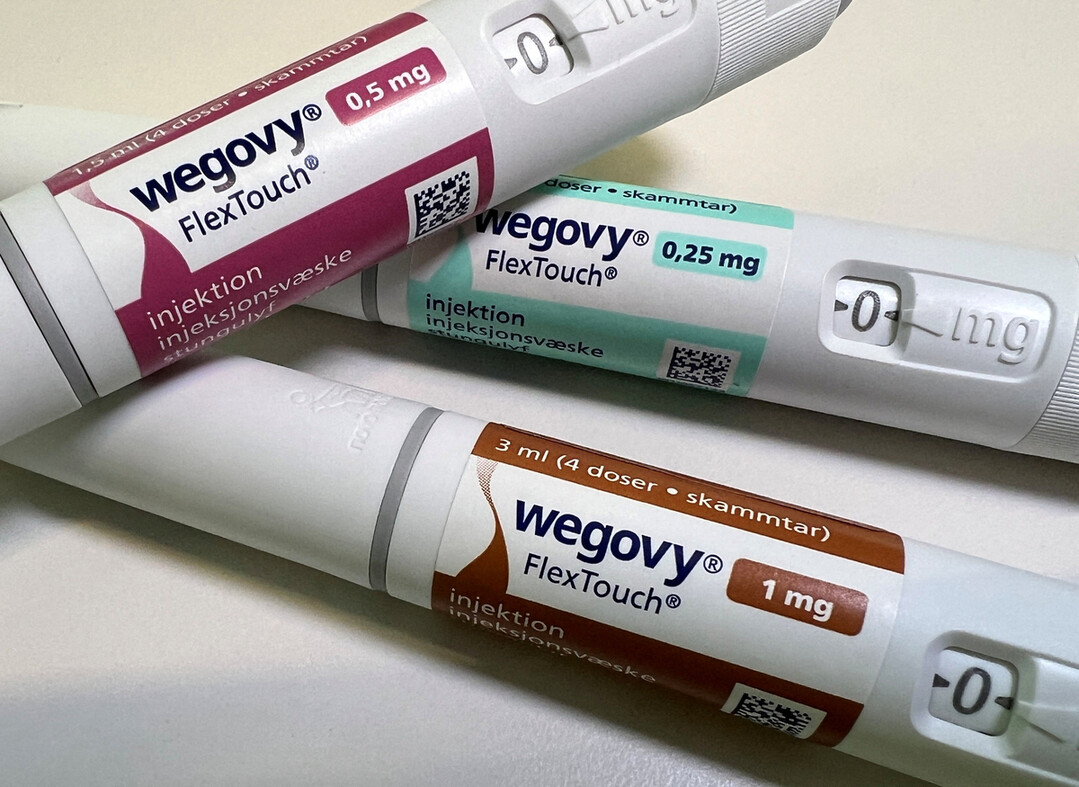
Ascendian, the parent company of Blue Shield of California, is proposing a two-tiered pricing model for blockbuster drugs such as Novo Nordisk’s Wegovy and Eli Lilly’s Zepbound. Under the proposed framework, the insurer would pay a flat monthly subscription fee to drugmakers, granting all eligible members access to the medications as needed. Pharmaceutical companies would then receive additional bonus payments only if patients demonstrate measurable clinical improvements, such as significant weight loss or lowered blood sugar levels.
In a recent interview, Ascendian CEO Paul Markovich noted that the company is actively discussing this hybrid subscription-and-outcome model with both Eli Lilly and Novo Nordisk.
Balancing Predictability and Access
The push for an alternative pricing strategy comes as employers and insurers increasingly balk at the high costs of obesity treatments. According to data from consulting firm Willis Towers Watson, the share of employers covering GLP-1 drugs for weight loss dipped from 56% to 53% this year, reflecting growing concerns over long-term financial sustainability.
Ascendian’s proposed model aims to solve this dilemma for both payers and manufacturers:
For Insurers and Patients: A fixed monthly fee makes healthcare spending more predictable, while tying extra payouts to proven results prevents runaway costs. Ascendian expects this structure to significantly lower out-of-pocket expenses for patients and keep coverage accessible.
For Drugmakers: Rather than demanding steep upfront discounts, the model guarantees steady, predictable monthly revenue and sales volume.
Hurdles to Implementation
Despite its theoretical appeal, outcomes-based and subscription pricing models have historically struggled to gain traction—largely remaining confined to ultra-expensive gene therapies. A report last year by the Institute for Clinical and Economic Review (ICER) indicated that while major healthcare buyers have explored subscription models, widespread adoption has been elusive.
Several practical challenges remain:
Measuring Efficacy: Determining whether a patient's weight loss is strictly due to the medication or other lifestyle factors is complex, making standardized performance metrics difficult to establish.
Estimating Demand: Because widespread GLP-1 adoption is still relatively new, accurately forecasting utilization rates to set a fair subscription price is challenging.
Regulatory Barriers: Markovich acknowledged that the fine print is still being negotiated and noted that regulatory adjustments may be required to make such contracts legally viable.
A Broader Push Against High Drug Prices
This initiative builds upon Markovich’s broader three-year campaign to overhaul prescription drug pricing. Previously, the insurer broke away from relying solely on CVS Health as its pharmacy benefit manager (PBM) to foster competition, aiming for $500 million in annual savings. While the company has saved roughly $150 million a year so far and secured direct pricing deals for fewer than a dozen drugs, Markovich admitted that traditional direct negotiations alone have not yielded a major breakthrough for GLP-1 costs.
Ultimately, the success of this novel payment experiment will hinge on how the insurer and drugmakers define clinical success, share patient data, handle treatment dropouts, and calculate out-of-pocket costs.
[Copyright (c) Global Economic Times. All Rights Reserved.]