![[등록] 2026-09-01 15:48:31](/support/_updata/banner2/tl181982910_6749.png)


(C) Arise News
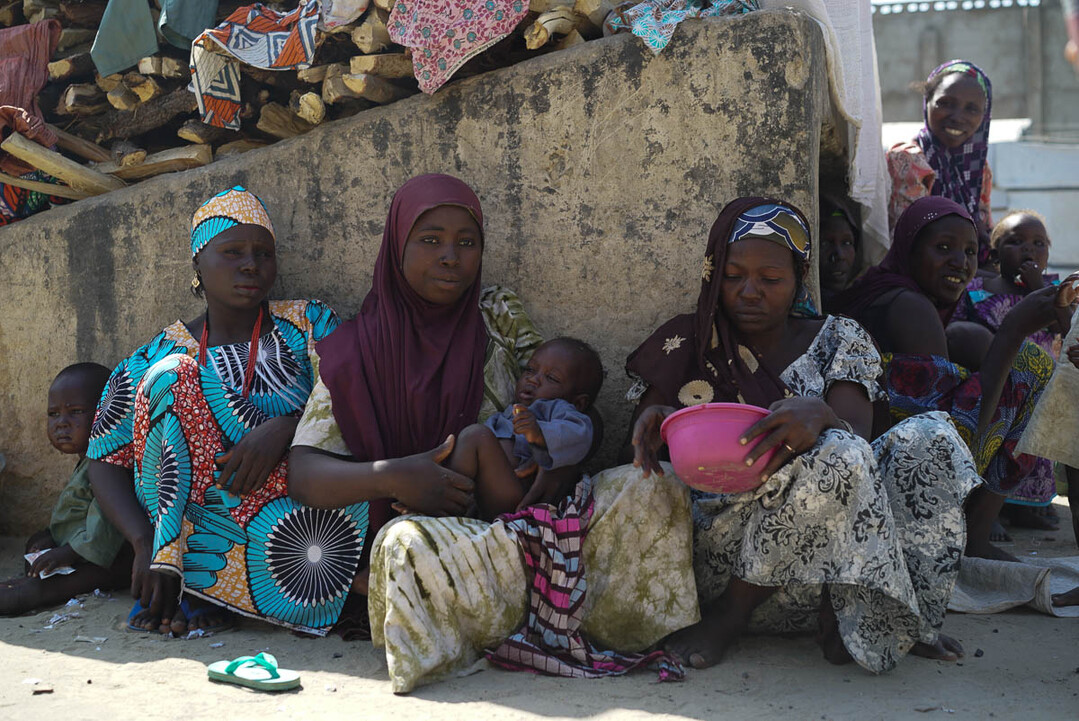
JOHANNESBURG — The northern region of Nigeria is confronting its worst hunger crisis on record, the United Nations World Food Programme (WFP) warned on Tuesday (local time). The devastating assessment comes amid escalating violence and instability across the country, particularly in the northeast, where armed extremist groups continue their insurgency, and in the northwest and central regions, plagued by rampant abductions.
The WFP issued a grave statement, projecting that by 2026, 35 million people in northern Nigeria will face acute food insecurity. This alarming figure highlights the catastrophic scale of the crisis threatening the region.
Catastrophic Famine Level Projected in Borno State
In the northeastern state of Borno, the epicenter of the Islamist extremist insurgency, the situation is set to deteriorate to catastrophic levels. The WFP estimates that approximately 15,000 people are expected to reach phase 5 of the Integrated Food Security Phase Classification (IPC), which signifies a famine-like situation or catastrophic hunger.
"Northern Nigeria is experiencing its most severe hunger crisis in a decade, with rural farming communities bearing the brunt," the WFP stated. The widespread attacks by various armed groups have severely restricted farmers' access to their agricultural lands, crippling food production and exacerbating the shortage.
Root Causes: Insurgency and Banditry
The prolonged violence is the primary driver of the escalating humanitarian catastrophe.
1. Northeast Insurgency (16 Years)
The northeastern region has endured a 16-year insurgency led by Islamist extremist groups, including Boko Haram and its splinter faction, the Islamic State West Africa Province (ISWAP), since 2009.
Casualties and Displacement: According to the UN, the persistent violence has resulted in over 40,000 deaths in the northeast alone and generated approximately 2 million internally displaced persons (IDPs). The continuous displacement has prevented large numbers of people from planting, harvesting, and participating in other essential economic activities, turning once self-sufficient communities into dependent populations.
2. Widespread Banditry and Kidnappings
In the western and northern states, a different form of organized violence—known locally as 'banditry'—has become rampant. These local armed groups primarily target civilians for ransom, disrupting daily life and making travel and commerce perilous.
Recent weeks have seen a surge in large-scale kidnapping incidents:
November 24 (Kwara State): Ten women and children were abducted by armed assailants in the village of Isapa, Kwara State.
November 21 (Niger State): 303 students and 12 teachers were kidnapped from a Catholic school in Niger State, though 50 managed to escape.
November 18 (Kwara State): 38 churchgoers were abducted during a service in Kwara State.
November 17 (Kebbi State): 25 female Muslim students were abducted from a secondary school in Kebbi State, with one later escaping.
These mass abductions have created a climate of fear, especially in rural areas, leading to the breakdown of essential services, the closure of schools, and the abandonment of farmland. The resulting collapse of the rural economy directly contributes to the massive food insecurity numbers cited by the WFP.
International Call for Action
The UN's stark warning serves as an urgent call for increased international attention and aid. The combination of armed conflict, widespread displacement, and the subsequent collapse of agricultural systems has created a perfect storm that threatens to push millions into the abyss of famine.
The global community, aid organizations, and the Nigerian government must now coordinate immediate, robust interventions. These include securing safe corridors for farmers, providing emergency food assistance, and, crucially, addressing the root causes of insecurity to allow displaced populations to return and rebuild their livelihoods before the projected 2026 crisis materializes. The staggering projection of 35 million people facing severe food insecurity underscores a humanitarian catastrophe that demands an immediate and overwhelming response.
[Copyright (c) Global Economic Times. All Rights Reserved.]