![[등록] 2026-09-01 15:48:31](/support/_updata/banner2/tl181982910_6749.png)


Earlier this year, the Irish economy experienced an extraordinary surge. The small island nation of 5.4 million people captured global attention by achieving an overwhelming trade surplus against the United States. At the heart of this economic boom lies a crucial hormone, a raw material for GLP-1 (Glucagon-Like Peptide-1) class drugs, often hailed as "miracle drugs" for obesity and diabetes.
According to reports from the Wall Street Journal and other foreign media outlets, US imports from Ireland totaled an astounding $71 billion (approximately 97 trillion KRW) from January to April this year. Nearly half of this, $36 billion, was attributed to the import of hormones essential for manufacturing obesity and diabetes treatments. Thanks to a mere 10,600 kg of this hormone raw material, Ireland achieved a massive trade surplus of $65.2 billion (approximately 90 trillion KRW) with the US, becoming America's second-largest trade deficit partner, trailing only China.
The Heart of Wegovy and Mounjaro Lies in Ireland
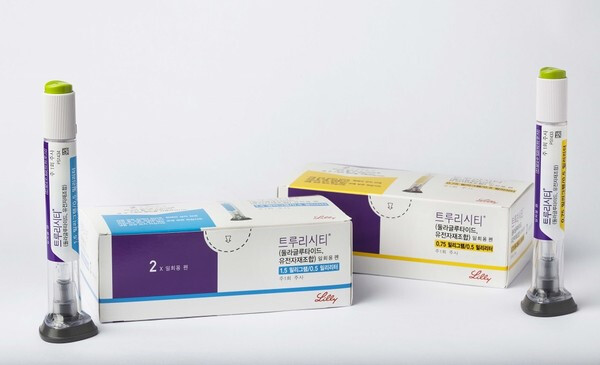
The leading GLP-1 class obesity treatments are Novo Nordisk's Wegovy and Eli Lilly's Mounjaro (known as Zepbound in the US). These drugs have demonstrated exceptional efficacy not only in weight loss but also in diabetes treatment, generating explosive global demand. It has been widely reported that Indiana, home to Eli Lilly's headquarters and the producer of Mounjaro, is the final destination for these hormones imported from Ireland, revealing Ireland's pivotal role as the "heart" of these innovative pharmaceuticals.
Ireland has long successfully attracted global pharmaceutical companies with its low corporate tax rates. Many of the world's best-selling blockbuster drugs, such as AbbVie's wrinkle-reducer Botox and Merck's immuno-oncology drug Keytruda, are produced in Ireland. Building on this robust foundation of the pharmaceutical industry, the "jackpot" of GLP-1 raw material exports fueled Ireland's first-quarter economic growth to a staggering 9.7% quarter-on-quarter. This growth figure stands in stark contrast to many other developed nations, highlighting the outsized impact of the pharmaceutical sector on Ireland's overall economic performance.
The Shadow of Trade Surplus: Escalating Tensions with the US
However, Ireland's dazzling economic growth has created subtle tensions in its relationship with the United States. The US Treasury Department, in its currency report released earlier this month, added Ireland to its currency "monitoring list." This move explicitly cited the substantial trade surplus with the US as a primary reason, signaling that the US is closely scrutinizing Ireland's trade imbalances. The monitoring list typically includes countries that meet certain criteria related to current account surpluses, significant bilateral trade surpluses with the U.S., and persistent one-sided intervention in the foreign exchange market. While Ireland doesn't actively manipulate its currency, its consistent and large trade surplus with the US, driven by specific sectors like pharmaceuticals, has clearly raised concerns in Washington.
Furthermore, President Donald Trump has expressed a desire for American pharmaceutical companies that have relocated to Ireland to move their production bases back to the United States. This aligns with his "America First" policy, which emphasizes domestic job creation and industrial protection. This sentiment is not new; previous US administrations, while perhaps less vocal, have also expressed concerns about the outsourcing of manufacturing. In a more concrete step, the US Commerce Department initiated a "Section 232" investigation in April, assessing the impact of pharmaceutical imports on national security. The outcome of this investigation could potentially lead to tariffs on imported pharmaceuticals and raw materials like hormones, a prospect that cannot be ruled out. This particular investigation falls under a trade law that allows for tariffs or other restrictions on imports if they are deemed a threat to national security. The argument here is that relying heavily on foreign production for essential medicines could pose a risk during a national emergency or in times of geopolitical instability.
Ireland's Choice Amidst a Wave of Change
The current trade friction with the United States presents a significant challenge for Ireland. Historically, Ireland has leveraged its low corporate tax rates to attract global corporations and drive economic growth. Now, under pressure from the US, it has reached a juncture where it must explore new strategies. Beyond mere export volumes, complex interests intertwined with the stability of pharmaceutical supply chains and national security are at play. Therefore, the tug-of-war between Ireland and the US is expected to persist.
The global success of GLP-1 class drugs has brought unexpected economic prosperity to Ireland. However, it simultaneously raises fundamental questions about how Ireland will position itself within the global economic power struggle. How Ireland navigates this enormous wave of change and what astute choices it makes, as well as the impact these decisions will have on the international trade order, remain subjects of close observation. This situation highlights the double-edged sword of globalization for smaller economies, where a concentrated industry can bring immense wealth but also expose them to the strategic interests and protectionist policies of larger trading partners. The ongoing discussions between Ireland and the US could set a precedent for how similar situations are handled in a increasingly complex globalized economy.
[Copyright (c) Global Economic Times. All Rights Reserved.]