![[등록] 2026-09-01 15:48:31](/support/_updata/banner2/tl181982910_6749.png)


(C) Nurse.org
PALO ALTO — For years, Tesla (TSLA) has been the undisputed poster child of the electric vehicle (EV) revolution. However, as the global EV market faces a cooling period characterized by saturated demand and intensifying price wars, the narrative surrounding Elon Musk’s flagship venture is undergoing a radical transformation. Tesla is no longer just "the car company"; it is rebranding itself as a "Physical AI" powerhouse, a move that is once again turning skeptics into believers on Wall Street.
The AI Platform Evolution
The shift in sentiment was underscored this week when Bank of America (BofA) reinstated its coverage of Tesla with a "Buy" rating and a price objective of $460. With the stock recently hovering around the $405 mark, the valuation reflects a growing confidence in Tesla’s non-automotive ventures.
Alexander Perry, an analyst at BofA, noted in a comprehensive report that Tesla is positioned as the "preeminent leader in the Robotaxi space." According to Perry, Tesla is the most significant "agent of change" in a new era of mobility. The firm argues that the lion's share of Tesla’s future enterprise value will not come from selling steering wheels and chassis, but from the autonomous software and robotic brains powering them.
Restructuring for the "Optimus" Era
Tesla’s operational decisions provide concrete evidence of this pivot. In a bold strategic move, the company has begun scaling back production of its legacy high-end models, the Model S and Model X. Rather than a sign of weakness, industry experts view this as a calculated reallocation of resources.
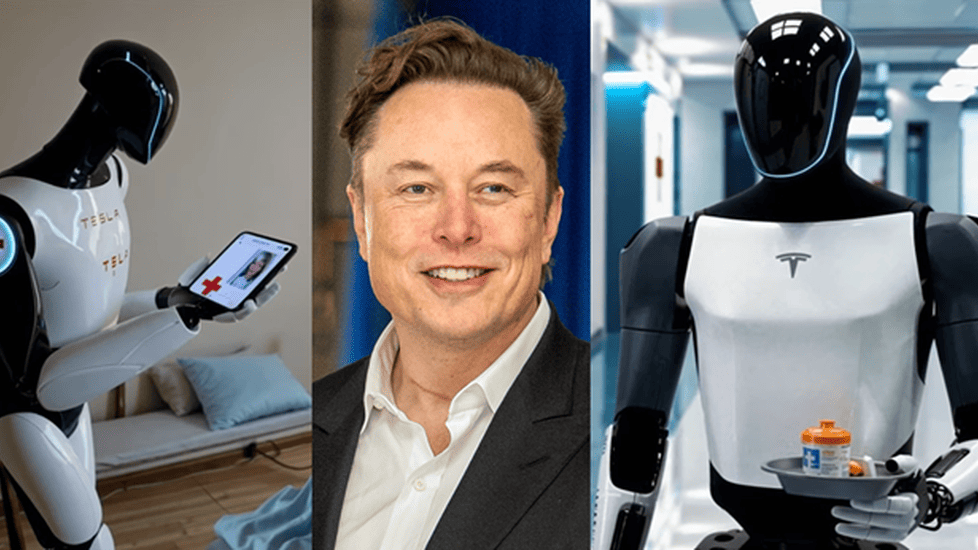
The production lines once dedicated to luxury sedans are being repurposed to accelerate the development of "Optimus," Tesla’s humanoid robot. With the "Optimus V3" model slated for release in the first quarter of 2026 and potential consumer sales starting as early as next year, Tesla is betting that the market for general-purpose robotic labor will eventually eclipse the automotive market.
"The decision to halt S and X production is a strategic pivot away from hardware-centric growth," says Moon-young Jang, a senior researcher at Hyundai Motor Securities. "Tesla is retooling itself into a software-defined enterprise. The expansion of the FSD (Full Self-Driving) subscription model is the bridge that moves the company from one-time hardware sales to a recurring, high-margin software revenue base."
2026: The Year of the Paradigm Shift
While the short-term outlook remains pressured—evidenced by Tesla’s first-ever annual revenue decline of 3% last year—the long-term "story" remains compelling for institutional investors. The consensus among analysts is that 2026 will serve as the definitive turning point.
Eun-young Lim, an analyst at Samsung Securities, describes 2026 as the "paradigm shift period" where Tesla transcends its identity as an EV maker. "As Robotaxi services begin to scale, Tesla will establish itself as the core entity in the 'Physical AI' market," Lim stated. This concept of Physical AI—where sophisticated AI models interact with the real world through robotic bodies and autonomous vehicles—is where Tesla’s true competitive moat lies.
The Road Ahead
Despite the optimism, challenges persist. The "EV winter" is far from over, and competitors are closing the gap in battery technology. Furthermore, the path to full autonomy is fraught with regulatory hurdles and technical complexities that have historically seen missed deadlines from Musk.
However, the current market reaction suggests that investors are willing to look past the "noisy" quarterly delivery numbers in favor of the "signal" provided by AI. If Tesla successfully commercializes its Robotaxi fleet and integrates Optimus into the global workforce, it won't just be a car company—it will be the operating system for the physical world.
For now, Wall Street is betting that the "AI premium" is justified. As the focus shifts from the number of cars delivered to the sophistication of the neural networks driving them, Tesla is successfully rewriting its script for the next decade of growth.
[Copyright (c) Global Economic Times. All Rights Reserved.]