• 2025.12.19 (Fri)
  • All articles
  • LOGIN
  • JOIN
Global Economic Times
APEC2025KOREA가이드북
  • Synthesis
  • World
  • Business
  • Industry
  • ICT
  • Distribution Economy
  • Well+Being
  • Travel
  • Eco-News
  • Education
  • Korean Wave News
  • Opinion
  • Arts&Culture
  • Sports
  • People & Life
  • Column
    • Cho Kijo Column
    • Lee Yeon-sil Column
    • Ko Yong-chul Column
    • Cherry Garden Story
  • Photo News
  • New Book Guide
MENU
 
Home > ICT

AI to the Rescue: How Artificial Intelligence Can Boost South Korea's Economy Amidst Population Decline

Desk / Updated : 2025-02-12 09:54:53
  • -
  • +
  • Print

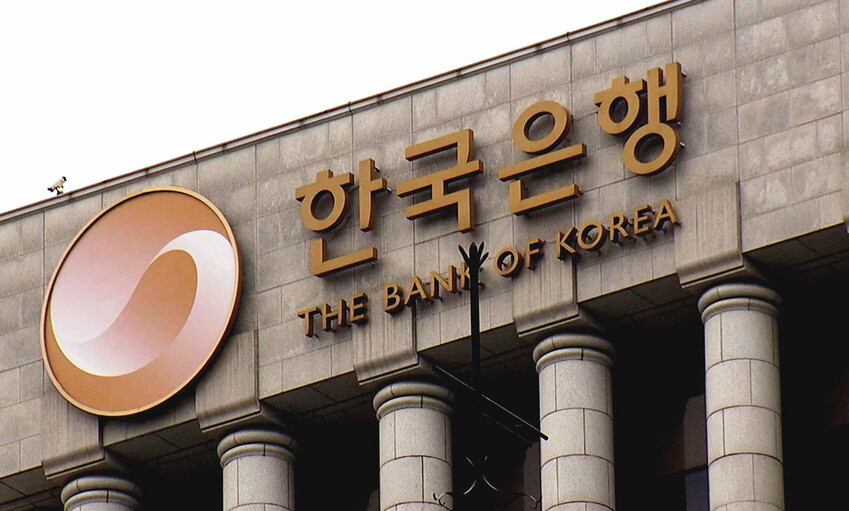
Seoul, South Korea – A recent report by the Bank of Korea has highlighted the potential of artificial intelligence (AI) to revitalize the nation's economy amidst a looming demographic crisis. With a rapidly aging population and a low birth rate, South Korea faces a projected 16.5% decline in GDP between 2023 and 2050 due to a shrinking labor force. However, the central bank believes that widespread AI adoption could mitigate this decline significantly, potentially reducing it to just 5.9%.   

The report's simulations suggest that AI could boost South Korea's total factor productivity by 1.1–3.2% and increase GDP by 4.2–12.6%. This optimistic outlook is based on AI's ability to automate tasks, improve efficiency, and drive innovation across various industries.   

However, the report also acknowledges the potential disruption to the labor market. A detailed analysis of job roles based on their "AI exposure" and "complementation" revealed that 27% of domestic workers are at high risk of job displacement or income reduction due to AI, while 24% are in positions that could benefit from AI integration. The Bank of Korea predicts that over half of all workers (51%) will experience significant changes in their employment due to AI adoption.   

Despite these challenges, South Korea is well-positioned for AI integration. The country ranks 15th globally in AI readiness, boasting strong performance in innovation, economic integration, regulation, ethics, and digital infrastructure. However, the report identifies human capital utilization and labor market policies as areas needing improvement to ensure a smooth transition to an AI-driven economy.   

The Bank of Korea's findings underscore the importance of proactive measures to harness the potential of AI while addressing the challenges it may pose. By investing in education and training programs, fostering innovation, and adapting labor market policies, South Korea can leverage AI to overcome its demographic headwinds and secure its economic future.

[Copyright (c) Global Economic Times. All Rights Reserved.]

  • #globaleconomictimes
  • #글로벌이코노믹타임즈
  • #한국
  • #중기청
  • #재외동포청
  • #외교부
  • #micorea
  • #mykorea
  • #newsk
  • #nammidonganews
  • #singaporenewsk
Desk
Desk

Popular articles

  • Alliance in a Dilemma: The Fallout of Trump's Advice to Takaichi Not to 'Provoke Taiwan' 

  • Ferry Accident Revives Sewol Tragedy Trauma in South Korea

  • Seoul's 'Insane Rent' Warning: Why $30,000 Monthly Rent is a Looming Threat Residential Crisis Deepens as Tourist Housing Conversion Hits Supply

I like it
Share
  • Facebook
  • X
  • Kakaotalk
  • LINE
  • BAND
  • NAVER
  • https://globaleconomictimes.kr/article/1065574391187688 Copy URL copied.
Comments >

Comments 0

Weekly Hot Issue

  • Doosan Group Chosen as Preferred Bidder for SK Siltron in Multi-Billion Dollar Deal
  • Even Elite "Collective Intelligence" Fails: Seoul National University Students Miss the Mark on Exchange Rate Forecasts
  • The Ambassador’s Cup Taekwondo Championship Returns to Bulgaria, Celebrating Martial Arts and Diplomacy
  • Nobel Laureate Machado Departs Oslo; Remains in Good Spirits Despite Spinal Injury
  • Google Completes Gemini 3 Lineup with Launch of ‘Flash’ Model: High Speed Meets Uncompromised Intelligence
  • Germany Approves Massive $60 Billion Rearmament Package to Bolster Defense

Most Viewed

1
From Court to Content: French Tennis Star Océane Dodin Trades Racquet for OnlyFans, Eyes $5M in a Year
2
Choi Bun-do, Chairman of PTV Group, Assumes Presidency of the Korean Chamber of Commerce and Industry in South Central Vietnam
3
Translation: China-Russia Bombers Target Tokyo in First Joint Pacific Demonstration
4
Lee Dismisses Vice Minister Amid Allegations of Misconduct and Vetting Gaps
5
NVIDIA Lobby Succeeds? U.S. Bill Expected to Drop AI Chip Export Restrictions
광고문의
임시1
임시3
임시2

Hot Issue

UK to Rejoin EU’s Erasmus+ Program in 2027: A Major Milestone in Post-Brexit Relations

China’s SpaceSail Challenges Starlink’s Hegemony in Brazil’s Satellite Internet Market

U.S. Congress Passes 2026 NDAA: A Legislative Fortress Against Unilateral Troop Withdrawals

Meloni Blocks Key EU Initiatives: Italy’s "My Way" Policy Shadows Upcoming Summit

Let’s recycle the old blankets in Jeju Island’s closet instead of incinerating them.

Global Economic Times
korocamia@naver.com
CEO : LEE YEON-SIL
Publisher : KO YONG-CHUL
Registration number : Seoul, A55681
Registration Date : 2024-10-24
Youth Protection Manager: KO YONG-CHUL
Singapore Headquarters
5A Woodlands Road #11-34 The Tennery. S'677728
Korean Branch
Phone : +82(0)10 4724 5264
#304, 6 Nonhyeon-ro 111-gil, Gangnam-gu, Seoul
Copyright © Global Economic Times All Rights Reserved
  • 에이펙2025
  • APEC2025가이드북TV
  • 독도는우리땅
Search
Category
  • All articles
  • Synthesis
  • World
  • Business
  • Industry
  • ICT
  • Distribution Economy
  • Well+Being
  • Travel
  • Eco-News
  • Education
  • Korean Wave News
  • Opinion
  • Arts&Culture
  • Sports
  • People & Life
  • Column 
    • 전체
    • Cho Kijo Column
    • Lee Yeon-sil Column
    • Ko Yong-chul Column
    • Cherry Garden Story
  • Photo News
  • New Book Guide
  • Multicultural News
  • Jobs & Workers