![[등록] 2026-09-01 15:48:31](/support/_updata/banner2/tl181982910_6749.png)


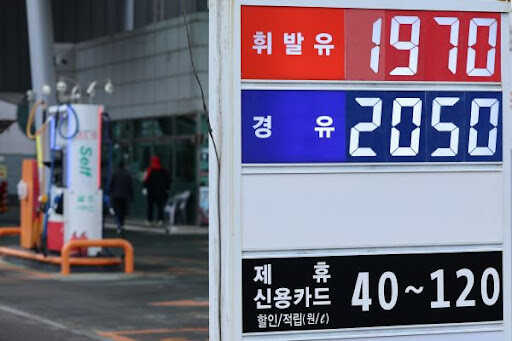
SEOUL — As the shadow of global conflict pushes international crude oil prices past the $100 per barrel mark, South Korean consumers are feeling the pinch at the pump. With gasoline and diesel prices nearing 2,000 won per liter, the domestic refining industry finds itself in the crosshairs of public frustration. However, industry representatives are pushing back against claims of "war profiteering," arguing that the domestic pricing mechanism is far more complex than a simple reflection of crude oil costs.
The "Time Lag" Controversy
The primary source of public skepticism lies in the two-week lag between changes in international crude prices and their reflection in local gas stations. Critics argue that refiners are selling products made from cheaper, pre-war crude inventories at inflated current market rates, thereby pocketing "windfall profits."
Refiners, however, describe this view as overly simplistic. They emphasize that their pricing is not pegged directly to crude oil, but rather to the Singapore International Petroleum Product Prices (MOPS)—the benchmark for the Asian market.
A Volatile Benchmark
According to data from Opinet, MOPS prices have skyrocketed at a pace that far outstrips crude oil.
-Gasoline: Surged from $79.64 on Feb 27 to $139.27 by March 9—a 74.8% increase.
-Diesel & Kerosene: Recorded staggering jumps of 99.58% and 101.1%, respectively, within the same ten-day window.
"We are not crude oil sellers; we are processors who import raw materials to create finished products," an industry official stated. "Our pricing follows MOPS, but we have actually been conservative in applying these sharp increases to minimize the shock to domestic consumers."
Calls for Policy Support
The industry maintains that it is currently absorbing a portion of the price hike to prevent a total market freeze. Beyond corporate efforts, experts and industry insiders suggest that government intervention—such as further fuel tax cuts—is becoming a structural necessity to stabilize the economy.
As the government prepares to implement a "Price Ceiling System" for petroleum, the tension between maintaining corporate viability and ensuring public energy security remains at an all-time high.
[Copyright (c) Global Economic Times. All Rights Reserved.]