• 2025.12.16 (Tue)
  • All articles
  • LOGIN
  • JOIN
Global Economic Times
APEC2025KOREA가이드북
  • Synthesis
  • World
  • Business
  • Industry
  • ICT
  • Distribution Economy
  • Well+Being
  • Travel
  • Eco-News
  • Education
  • Korean Wave News
  • Opinion
  • Arts&Culture
  • Sports
  • People & Life
  • Column
    • Cho Kijo Column
    • Lee Yeon-sil Column
    • Ko Yong-chul Column
    • Cherry Garden Story
  • Photo News
  • New Book Guide
MENU
 
Home > Synthesis

Gyeonggi-do Farmers Resist Government's Rice Policy

Min Gyu Mi Reporter / Updated : 2025-02-12 09:39:35
  • -
  • +
  • Print

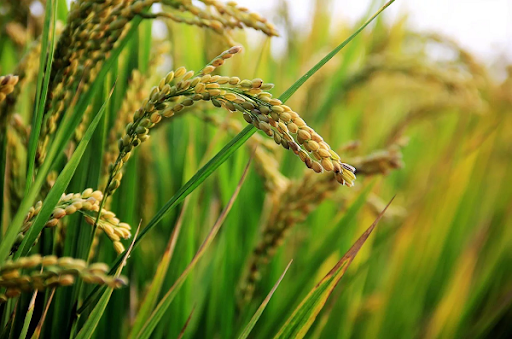
Farmers in Gyeonggi-do, South Korea, are up in arms against the government's latest initiative to control rice production, citing threats to their livelihoods and the infringement of their farming rights. The move comes as the nation grapples with declining rice consumption and a subsequent drop in rice prices, prompting the government to implement a 'Rice Cultivation Area Adjustment System'.

The system, launched this year, aims to reduce the national rice paddy area by 80,000 hectares. This is in response to a continuous decline in rice consumption, with per capita consumption reaching a record low last year since records began in 1962. The Korea Rural Economic Institute predicts further decline in rice consumption in the coming years, exacerbating the issue of excess supply and price drops.

However, farmers in Gyeonggi-do, a key rice-producing region, are putting up a fight. In Yeoju, a city renowned for its high-quality rice, farmers are vehemently opposing the plan, arguing that it jeopardizes their livelihoods and infringes on their rights. They are particularly concerned about the allocated reduction target for Yeoju, which they deem excessive.

Adding to the farmers' woes is the unique characteristic of Gyeonggi-do's rice industry. The region's rice is known for its superior quality and fetches higher prices compared to other areas. Moreover, the rice farming sector in Gyeonggi-do is highly mechanized, making it difficult for farmers to switch to other crops.

"Farmers need to be able to make more profit from other crops to even consider switching," says an official from a local agricultural cooperative, highlighting the challenge of persuading farmers to abandon rice cultivation.

The Gyeonggi-do provincial government has acknowledged the farmers' concerns and is seeking a solution that balances the need to control rice production with the protection of farmers' interests. "We are working with the central government to find a way to naturally reduce the rice cultivation area while safeguarding the livelihoods of our farmers," a provincial government official stated.

The standoff between the government and farmers in Gyeonggi-do underscores the complexities of managing agricultural policy in the face of changing consumption patterns and market dynamics.

[Copyright (c) Global Economic Times. All Rights Reserved.]

  • #globaleconomictimes
  • #글로벌이코노믹타임즈
  • #한국
  • #중기청
  • #재외동포청
  • #외교부
  • #micorea
  • #mykorea
  • #newsk
  • #nammidonganews
  • #singaporenewsk
Min Gyu Mi Reporter
Min Gyu Mi Reporter

Popular articles

  • Goyang Stadium Rakes in $8.3 Million, Emerges as K-Pop Concert Hub

  • Incheon's Cheonggyecheon: Buried Stream Returns to Light After 35 Years

  • The Rise of 'K-Eyewear Tourism': Foreign Visitors Flock to South Korea for Quick, Affordable Spectacles

I like it
Share
  • Facebook
  • X
  • Kakaotalk
  • LINE
  • BAND
  • NAVER
  • https://globaleconomictimes.kr/article/1065573504674407 Copy URL copied.
Comments >

Comments 0

Weekly Hot Issue

  • 'AI' Dominates 2025 Book Titles in South Korea
  • End-of-Year Concert Extravaganza: Jo Sumi, Geum Nan-sae, and Danny Koo Headline Diverse Lineup
  • R.E.D. Sectors Poised for Growth in 2026, the Year of the 'Red Horse,' Driven by AI Investment Boom
  • South Korea Launches $115 Million Export Voucher Program to Boost SME Global Reach
  • Extension Granted for '2026 Honors for SME Contributors' Application
  • 44% of Recent Construction Projects Report Deficits, Industry Survey Finds

Most Viewed

1
Choi Bun-do, Chairman of PTV Group, Assumes Presidency of the Korean Chamber of Commerce and Industry in South Central Vietnam
2
From Court to Content: French Tennis Star Océane Dodin Trades Racquet for OnlyFans, Eyes $5M in a Year
3
Lee Dismisses Vice Minister Amid Allegations of Misconduct and Vetting Gaps
4
NVIDIA Lobby Succeeds? U.S. Bill Expected to Drop AI Chip Export Restrictions
5
US Layoffs Surge: Over 1.17 Million Job Cuts Announced in First 11 Months of 2025
광고문의
임시1
임시3
임시2

Hot Issue

South Korean AI Models Flunk College Entrance Math Exams, Lagging Far Behind Global Leaders

KRX Temporarily Slashes Stock Trading Fees by 20-40% to Counter ATS Rival

Israel Condemns Australia After Sydney Shooting, Citing 'Fueling' of Anti-Semitism

Lotte Mart Launches Major Imported Fruit Discount Event Amid High Prices

Let’s recycle the old blankets in Jeju Island’s closet instead of incinerating them.

Global Economic Times
korocamia@naver.com
CEO : LEE YEON-SIL
Publisher : KO YONG-CHUL
Registration number : Seoul, A55681
Registration Date : 2024-10-24
Youth Protection Manager: KO YONG-CHUL
Singapore Headquarters
5A Woodlands Road #11-34 The Tennery. S'677728
Korean Branch
Phone : +82(0)10 4724 5264
#304, 6 Nonhyeon-ro 111-gil, Gangnam-gu, Seoul
Copyright © Global Economic Times All Rights Reserved
  • 에이펙2025
  • APEC2025가이드북TV
  • 독도는우리땅
Search
Category
  • All articles
  • Synthesis
  • World
  • Business
  • Industry
  • ICT
  • Distribution Economy
  • Well+Being
  • Travel
  • Eco-News
  • Education
  • Korean Wave News
  • Opinion
  • Arts&Culture
  • Sports
  • People & Life
  • Column 
    • 전체
    • Cho Kijo Column
    • Lee Yeon-sil Column
    • Ko Yong-chul Column
    • Cherry Garden Story
  • Photo News
  • New Book Guide
  • Multicultural News
  • Jobs & Workers