![[등록] 2026-09-01 15:48:31](/support/_updata/banner2/tl181982910_6749.png)


(C) CryptoDnes.bg
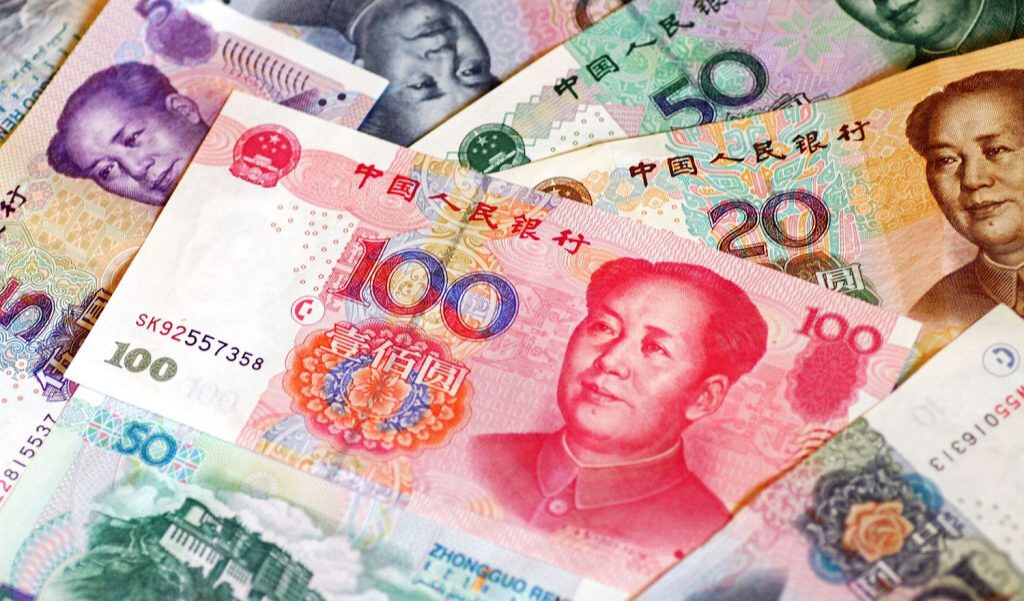
BEIJING — In a landmark shift for the world’s most advanced major central bank digital currency (CBDC), China has announced that it will grant the digital yuan (e-CNY) the same status as traditional bank deposits. Starting January 1, 2025, users holding digital yuan in authenticated wallets will begin earning interest, marking a transition from "digital cash" to "digital deposit currency."
The "e-CNY 2.0" Era
According to an official action plan detailed by Lu Lei, Deputy Governor of the People’s Bank of China (PBOC), the new framework aims to strengthen the digital yuan’s management service system and financial infrastructure. Lu characterized the move as an evolution from Version 1.0 (cash-like) to Version 2.0 (deposit-like).
Under the new guidelines, commercial banks will be required to pay interest on balances held in real-name digital yuan wallets, adhering to existing interest rate regulations. Furthermore, these balances will be integrated into the banks' regular asset and liability management systems and will be protected under the national deposit insurance scheme.
Integration with Monetary Policy
The PBOC is also updating its regulatory framework to incorporate the digital yuan into the reserve requirement system.
Commercial Banks: Digital yuan holdings will be factored into the calculation of required reserves.
Non-bank Institutions: Payment platforms must maintain a 100% reserve deposit for the digital yuan they manage, ensuring total liquidity and security.
Economic Context and Challenges
The move comes as Beijing seeks to revitalize the e-CNY project, which began in 2014. While China is a global leader in CBDC development, the practical impact of this policy change remains a subject of debate among economists.
Currently, China is grappling with record-low lending growth and a surge in household savings. Large state-owned banks have slashed benchmark deposit rates to as low as 0.05%, leaving banks with massive cash piles that are difficult to manage profitably. Analysts suggest that while the interest-bearing feature makes the digital yuan more attractive, it may not be enough to trigger a massive shift in consumer behavior given the existing dominance of private platforms like Alipay and WeChat Pay.
Global Implications
The international financial community is closely watching this transition. By redefining the legal and technical framework of the e-CNY, China is setting a precedent for how a sovereign digital currency can coexist with—and eventually mirror—the traditional fractional reserve banking system.
[Copyright (c) Global Economic Times. All Rights Reserved.]