![[등록] 2026-09-01 15:48:31](/support/_updata/banner2/tl181982910_6749.png)


(C) NBC Bay Area
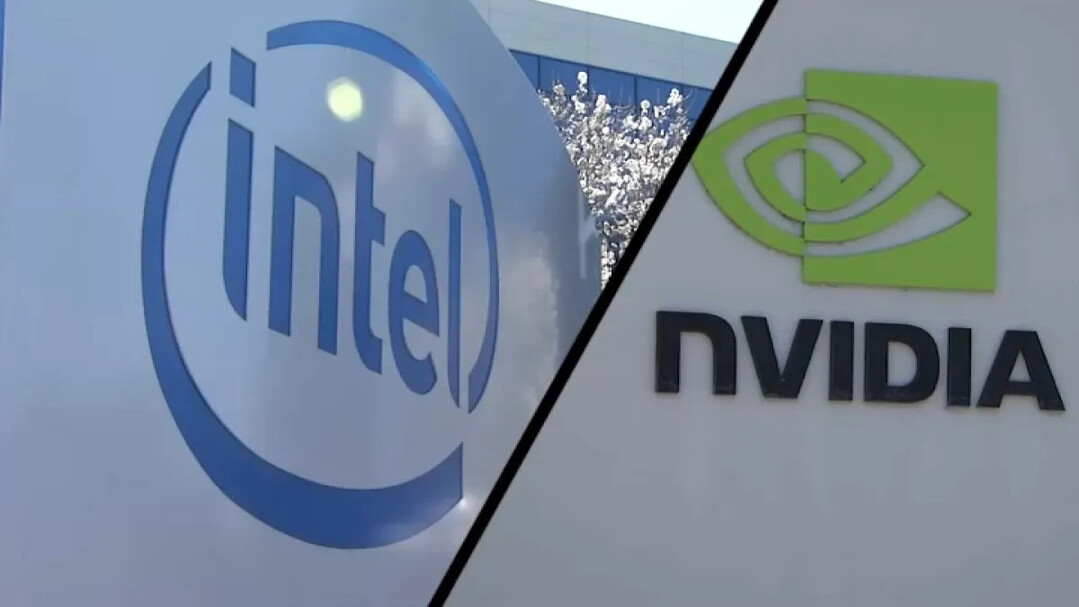
SAN FRANCISCO – In a landmark move that signals a strategic realignment within the semiconductor industry, NVIDIA has officially completed its $5 billion (approx. 7.2 trillion KRW) investment in Intel. The transaction, finalized on December 29, fulfills an agreement first announced in September, marking a significant step toward deeper collaboration between the two American chip giants.
According to a filing with the U.S. Securities and Exchange Commission (SEC), Intel issued 214,776,632 new shares of common stock to NVIDIA at a price of $23.28 per share. Through this third-party allocation of paid-in capital, NVIDIA now holds approximately a 4% stake in Intel, positioning itself as a major shareholder.
A Strategic Alliance for the AI Era
The deal is viewed as a "win-win" for both companies as they navigate the rapidly evolving artificial intelligence (AI) landscape. For NVIDIA, the world leader in graphics processing units (GPUs), the investment facilitates a tighter integration of its AI technology with Intel’s x86 architecture—the industry standard for data center central processing units (CPUs).
For Intel, the infusion of capital provides much-needed liquidity as it struggles with a prolonged financial downturn and the high costs of expanding its manufacturing capabilities. Beyond the cash injection, the partnership grants Intel a closer tie to the NVIDIA-led AI ecosystem, potentially revitalizing its relevance in the high-performance computing market.
Potential Foundry Collaboration and Supply Chain Shifts
While the current agreement does not include a formal foundry contract, industry analysts are closely watching for signs that NVIDIA may eventually outsource chip production to Intel. Currently, NVIDIA relies almost exclusively on Taiwan’s TSMC for its high-end chips.
Diversifying its supply chain by utilizing Intel’s domestic foundries would align with broader geopolitical shifts. Observers note that NVIDIA CEO Jensen Huang maintains a close relationship with President Donald Trump, whose administration has championed the "resurgence of American manufacturing." Notably, the U.S. government remains Intel’s largest shareholder with a stake exceeding 9%.
Market Reaction
Following the news, Intel’s shares saw a modest rise of 0.5%, trading at $36.40 midday on the East Coast. Conversely, NVIDIA’s stock dipped roughly 2% to around $186, as investors weighed the long-term strategic benefits against the immediate multi-billion dollar capital expenditure.
As the "AI Gold Rush" continues, this partnership could serve as a cornerstone for a new American semiconductor powerhouse, bridging NVIDIA’s software and GPU dominance with Intel’s legacy CPU expertise and growing domestic production capacity.
[Copyright (c) Global Economic Times. All Rights Reserved.]