![[등록] 2026-09-01 15:48:31](/support/_updata/banner2/tl181982910_6749.png)


SEOUL — The recurring technical glitches in Mobile Trading Systems (MTS) and Home Trading Systems (HTS) of South Korean brokerages are fueling anxieties over the stability of the nation’s capital market infrastructure. As trading volumes and user bases continue to expand, critics argue that investment in IT infrastructure and system reliability has failed to keep pace.
The Catalyst: Korea Investment & Securities Error
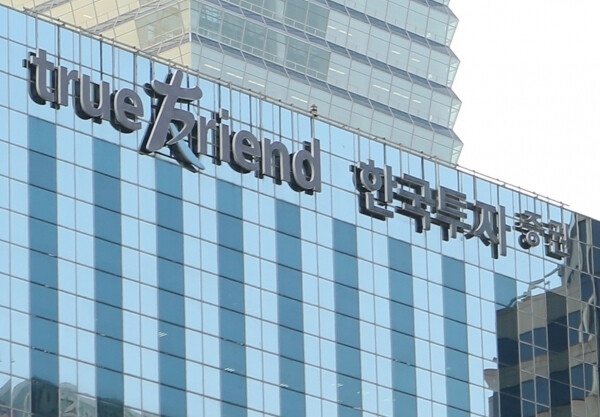
The latest incident occurred on March 5, 2026, when Korea Investment & Securities reported an error in its MTS. Some retirement pension accounts displayed inaccurate balances and returns. Preliminary investigations suggest the discrepancy arose from delays in clearing and settlement processes triggered by a sudden surge in trading volume, specifically affecting balance inquiries for certain Exchange-Traded Funds (ETFs). The Financial Supervisory Service (FSS) has launched a formal probe to pinpoint the exact technical root cause.
A Pattern of Structural Vulnerability
This is far from an isolated event. The South Korean brokerage industry has been plagued by system outages during periods of high market volatility:
October 2025: Meritz Securities experienced connection delays on its MTS and HTS as the KOSPI hit a record intraday high.
November 2025: Kiwoom Securities faced similar disruptions during a sharp downturn in U.S. markets, preventing many retail investors from executing timely trades.
According to data from the FSS, the nine largest brokerages—including KB Securities, Mirae Asset, Samsung, NH Investment, and Shinhan—recorded a combined 194 system failures between 2022 and 2025. Notably, 84 of these incidents were concentrated in MTS platforms, the primary interface for the country’s massive "ant" (retail) investor base.
The Collision with Regulatory Reform
The timing of these failures is particularly sensitive. The Korea Exchange (KRX) is currently pushing for a landmark overhaul of market hours. Starting June 29, 2026, the KRX plans to extend regular trading hours, expand after-hours trading, and integrate Alternative Trading Systems (ATS) to increase market liquidity and global competitiveness.
However, the industry is pushing back. Financial experts warn that extending trading hours inherently increases the load on servers and reduces the daily window for system maintenance.
"MTS is the most widely used platform; when it fails, the market impact is substantial," said an official from the Korea Financial Investment Association (KOFIA). "Extended hours mean increased system pressure. Brokerages require significantly more time for rigorous testing and stability verification before these changes are implemented."
The Road Ahead
In response to growing backlash from brokerage firms and investors alike, the Korea Exchange has signaled that it may reconsider the timeline for the trading hour extension. The primary concern is that in a "flash crash" or high-volatility scenario, an unstable system combined with longer trading hours could exacerbate market panic rather than provide liquidity.
As the FSS tightens its oversight, the pressure is now on South Korean brokerages to prove they can provide a "fail-safe" environment. Without a massive overhaul of backend infrastructure, the ambitious leap toward a 24/7 global trading hub may be stalled by the very technology meant to power it.
[Copyright (c) Global Economic Times. All Rights Reserved.]