![[등록] 2026-09-01 15:48:31](/support/_updata/banner2/tl181982910_6749.png)


SEOUL — An exclusive investigation by the BBC has shed light on the dire conditions of North Korean laborers in Russia, revealing they are being subjected to a brutal system of exploitation that amounts to modern-day slavery. Defectors interviewed by the broadcaster detailed working grueling 18-hour days for meager pay, with most of their earnings confiscated by the Pyongyang regime as a "loyalty fee."
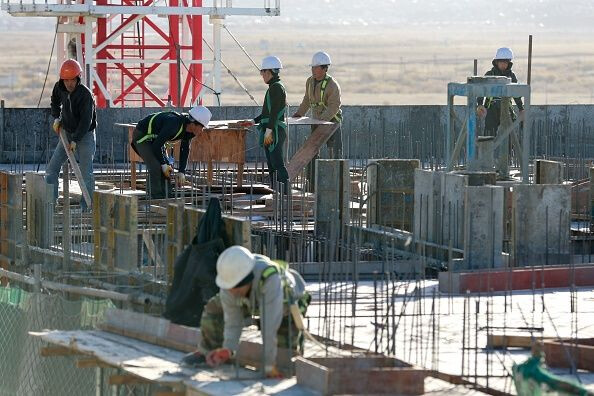
According to testimonies from six North Korean defectors, laborers are typically deployed to high-rise construction sites in Russia. Their daily routine begins at 6 a.m. and lasts until 2 a.m. the following day, with only a few hours of sleep before the cycle repeats. Workers are granted a mere two days off per year. They are confined to cramped cargo containers on the construction sites, with all movement and communication under the watchful eye of North Korean security officials. Freedom is virtually nonexistent; workers are permitted to leave their compounds only once a month, and since 2023, these excursions must be made in groups of five to ensure mutual surveillance.
This system is a flagrant violation of a 2017 United Nations Security Council resolution that banned all member states from employing North Korean workers and mandated their repatriation by the end of 2019. However, the number of North Koreans entering Russia has not only failed to decrease but has surged. South Korean intelligence sources cited by the BBC estimate that 10,000 North Korean workers were sent to Russia last year, with projections for this year to exceed 50,000. Russian government statistics corroborate this trend, showing a twelvefold increase in North Koreans entering the country last year, with most using student visas—a widely recognized loophole to bypass the UN sanctions.
Russia's severe labor shortage, exacerbated by a protracted war with Ukraine, has created a high demand for foreign labor. North Korean workers are now being deployed to rebuild war-torn regions, with areas like Kursk, near the Ukrainian border, being a likely destination. Andrey Lankov, a North Korea expert at Kookmin University, told the BBC that Pyongyang offers a "perfect solution" to Russia's labor crisis. "North Korean labor is cheap and very diligent, and it doesn't cause problems," Lankov stated. For North Korea, the arrangement is a crucial source of foreign currency, as the regime skims the vast majority of its workers' wages.
Despite the perilous journey and grueling work, North Korean workers are drawn to the promise of earning what they believe is a substantial income, with placement in these overseas jobs considered a privilege reserved for those who pass a strict screening process. The reality, however, is starkly different. Workers earn a nominal monthly salary of $100–$200, with a large portion immediately taken by the state. Most of their earnings are recorded in a ledger and supposedly returned upon their return to North Korea, but even this is not guaranteed. One defector, identified by the pseudonym "Tae," revealed to the BBC that he decided to risk his life to escape after discovering his accumulated savings had been withheld because "the state needs money." Tae said he was humiliated to learn that Russian workers from Central Asia were earning five times his wage for a third of the work, and he described being routinely mocked by them as a "slave."
The defector’s escape was aided by a smartphone he secretly purchased, which allowed him to research average wages in South Korea and solidify his resolve to flee. Following his escape, he successfully made his way to South Korea with the help of a lawyer. The North Korean government’s strict control measures, including reinforced surveillance and group outing policies, have proven effective in curbing such escapes. According to the BBC report, the number of North Korean defectors arriving in South Korea from Russia has halved to just around ten per year, highlighting the extreme difficulty of escaping this system of forced labor.
[Copyright (c) Global Economic Times. All Rights Reserved.]