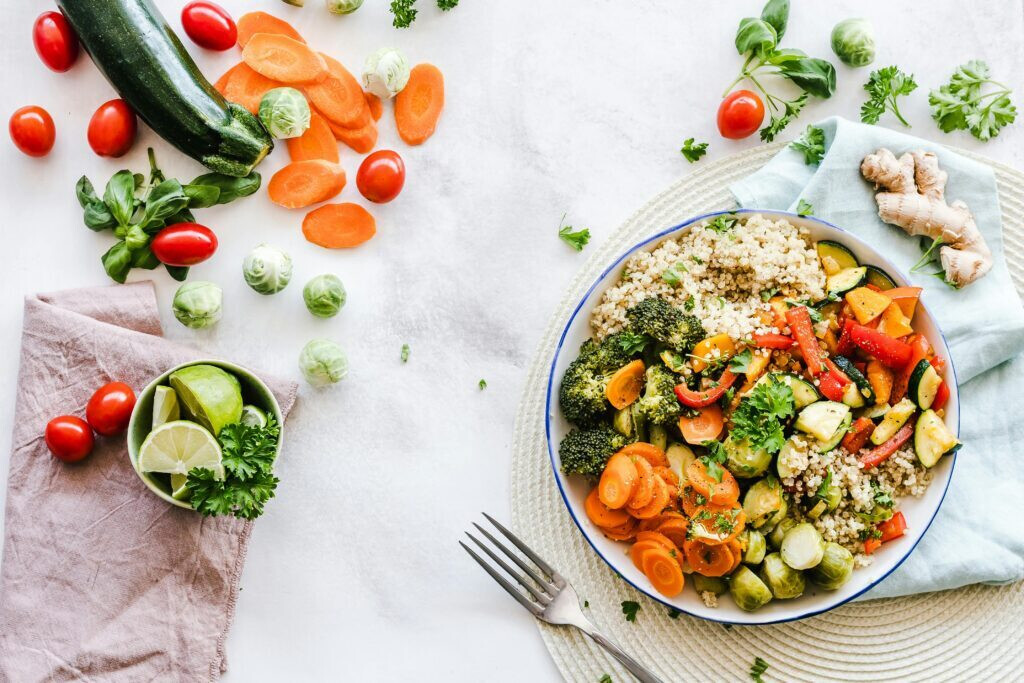
When people mention the "Mediterranean diet," a vivid scene often comes to mind: enjoying a wholesome meal under the warm sunshine on a terrace overlooking the blue sea. A large plate overflows with colorful freshness—green olive oil in a clear glass bottle, bright red cherry tomatoes, vibrant purple red onions, and yellow bell peppers. Grilled fish seasoned with herbs, fresh seafood, hearty whole-wheat bread, and nuts complete the picture.
Beyond the food itself, the relaxed atmosphere of dining is a core part of the Mediterranean lifestyle. Sitting leisurely on a terrace in Greece or southern Italy brings an immediate sense of calm. Rather than feeling like a restrictive diet endured out of necessity, it represents the ultimate fusion of flavor, health, and sustainable well-being.
The benefits of a healthy diet extend far beyond simply providing good nutrition. For cancer survivors, maintaining cardiovascular health is just as critical as overcoming the disease itself.
The Miracle of a Healthy Diet
Cancer survivors face unique cardiovascular challenges. Certain chemotherapy drugs, radiation treatments, and metabolic shifts during treatment can elevate long-term heart disease risks. Consequently, protecting the heart and blood vessels remains a lifelong priority after recovery.
Recent research highlights how adhering to healthy dietary patterns can significantly reduce cardiovascular risks and mortality rates among cancer survivors. A research team from Sun Yat-sen Memorial Hospital at Sun Yat-sen University in China analyzed UK Biobank data, tracking 8,716 cancer survivors without prior cardiovascular disease for an average of 12.3 years. During this period, 1,116 individuals developed cardiovascular conditions (predominantly ischemic heart disease, heart failure, and stroke).
The findings revealed that strict adherence to seven out of eight healthy dietary patterns—with the notable exception of low-carbohydrate diets—substantially lowered cardiovascular disease risks. In an era dominated by low-carb trends, this is a particularly compelling finding. Furthermore, those who maintained the healthiest diets experienced an increased life expectancy of up to 3.32 years compared to those with the poorest dietary habits. The protective effects endured long-term, showing steady risk reductions at the 3-year, 5-year, and 10-year milestones.
Choosing the Right Diet for Your Heart
To better understand heart-healthy eating, researchers closely examined three prominent dietary indices:
Alternative Healthy Eating Index (AHEI-2010): Designed to reduce the overall risk of chronic diseases (such as heart disease and diabetes) and promote optimal health. Its core strategy involves increasing beneficial food groups while strictly limiting harmful ones like sugary drinks, trans fats, and processed meats.
Sample Menu: Breakfast: Whole-grain cereal (brown rice and oats), low-fat milk, a handful of walnuts, and blueberries. Lunch: Quinoa salad with grilled salmon, dressed in extra virgin olive oil. Dinner: Lentil soup with chicken breast, accompanied by steamed broccoli and carrots.
DASH Diet (Dietary Approaches to Stop Hypertension): Renowned for preventing and lowering high blood pressure, this diet focuses on sodium restriction and the balanced intake of minerals like potassium, calcium, and magnesium. Incorporating low-fat or fat-free dairy and physically limiting added salt are key components.
Sample Menu: Breakfast: Unsalted oatmeal with low-fat yogurt and half a banana. Lunch: A whole-wheat sandwich packed with chicken breast, tomatoes, and lettuce, flavored with balsamic vinegar. Dinner: Skinless roasted turkey served with herb-seasoned steamed potatoes (no salt) and boiled bean sprouts.
MIND Diet: Specifically tailored for brain health, focusing on foods that prevent age-related cognitive decline and dementia—particularly green leafy vegetables and berries.
Sample Menu: Breakfast: Whole-grain toast with spinach and cherry tomatoes, paired with a cup of blueberries. Lunch: A leafy green salad (kale or spinach) topped with chickpeas and quinoa. Dinner: White fish fillet served with brown rice and vegetables lightly sautéed in olive oil.
Researchers noted that omega-3 fatty acids and antioxidants found in these healthy diets help suppress atherosclerosis linked to cancer and improve vascular elasticity. Conversely, they explained that low-carb diets failed to protect the cardiovascular system because cancer treatments often impair metabolic flexibility, making carbohydrate restriction a hindrance to efficient energy utilization by the body.
Small Changes on the Plate Shape a Healthy Routine
Protecting heart health after cancer is not limited to a single rigid dietary pattern. Whether you follow established frameworks like the Mediterranean or DASH diets, or simply incorporate more wholesome foods into your daily meals, finding a sustainable approach is what matters most.
Start by eating a balanced variety of vegetables, fruits, whole grains, beans, and fish while reducing fast food, fried items, processed meats, and sugary beverages. If you struggle with appetite loss, digestive issues, or weight fluctuations during or after treatment, consult with healthcare professionals or clinical dieticians to build a personalized meal plan rather than imposing overly strict limitations.
After experiencing cancer, the pressure to "do everything right" for your health can be overwhelming. However, healthy eating does not require perfection. Adding a little extra vegetable to today’s meal, mixing grains into white rice, or choosing nuts instead of cookies for a snack can all serve as wonderful starting points.
Imagine a leisurely meal on a sun-drenched Mediterranean terrace. That peaceful ambiance does not require an international flight to experience. Stopping by the market on your way home today to pick up seasonal produce, fresh fish, or wholesome beans can transform your own dining table. When caring for your body becomes a daily joy, life after cancer recovery becomes all the more abundant and fulfilling.
[Copyright (c) Global Economic Times. All Rights Reserved.]