• 2026.10.13 (Tue)
  • All articles
  • LOGIN
  • JOIN
Global Economic Times
[등록] 2026-09-01 15:48:31
  • Synthesis
  • World
  • Business
  • Industry
  • ICT
  • Distribution Economy
  • Well+Being
  • Travel
  • Eco-News
  • Education
  • Korean Wave News
  • Opinion
  • Arts&Culture
  • Sports
  • People & Life
    • International Student Report
    • With Ambassador
  • Column
    • Cho Kijo Column
    • Cherry Garden Story
    • Ko Yong-chul Column
    • Kim Seul-Ong Column
    • Lee Yeon-sil Column
  • Photo News
  • New Book Guide
MENU
 
Home > ICT

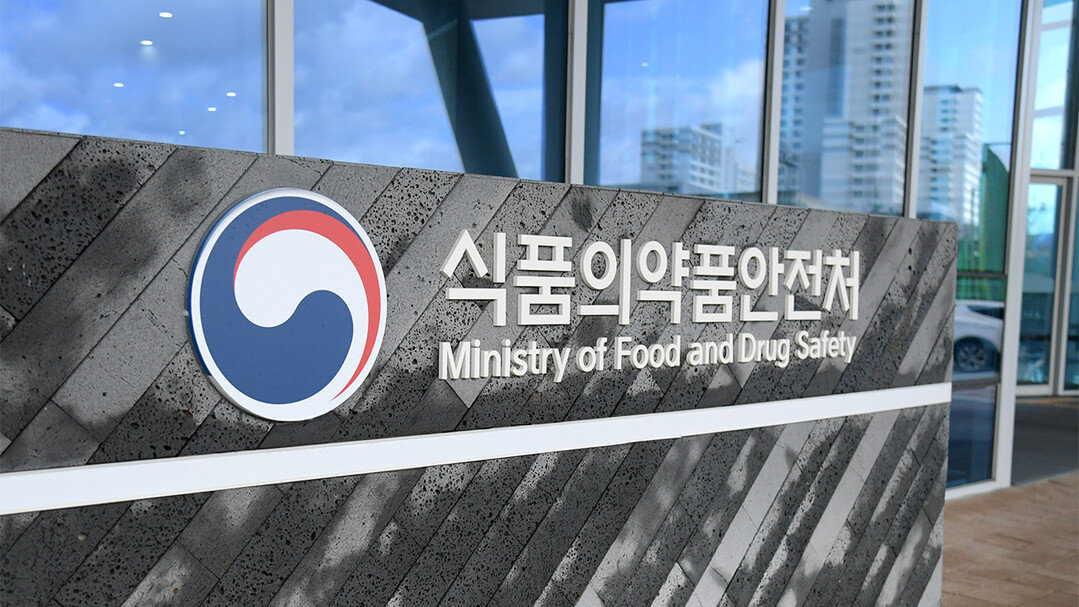
Confidential Clinical Trial Data Easily Accessed via ChatGPT: A Major Security Flap for South Korea's Ministry of Food and Drug Safety

Myung Sun Yim Correspondent / Updated : 2026-10-13 18:23:22
  • -
  • +
  • Print


SEOUL — While hacking and data leaks continue to plague South Korea's financial sector, public institutions, and universities, fresh scrutiny has fallen on the Ministry of Food and Drug Safety (MFDS) over glaring security loopholes in its management of clinical trial data.

During a parliamentary audit, it was revealed that 2,672 clinical trial documents—which the ministry has officially kept under wraps—could be downloaded effortlessly using the generative AI chatbot ChatGPT, bypassing any login or password requirements. This revelation has once again cast a shadow over the government's overall information security management system.

2,672 Clinical Trial Documents Downloaded via ChatGPT

On October 13, during the National Assembly Health and Welfare Committee's audit, People Power Party lawmaker Lee So-hee disclosed that she managed to download 2,672 clinical trial result documents using only ChatGPT, without entering a single login credential or password.

Lawmaker Lee noted that the downloads required no advanced technical knowledge. Among the leaked files, 839 contained corporate information designated as confidential, while 2,208 included the personal mobile phone numbers of responsible personnel.

The website in question is the "Drug Safety Nara" portal, a comprehensive repository of pharmaceutical data. The platform consolidates extensive information on clinical trials, drug genetics, pharmaceuticals, cosmetics, domestic and international drug patents, biopharmaceuticals, and drug additives.

If personal and confidential data could indeed be downloaded using only ChatGPT as Lee pointed out, the possibility that sensitive information was already exposed beforehand cannot be ruled out.

"The ministry kept its doors locked to the National Assembly under the pretext of protecting corporate secrets, yet it carelessly allowed external actors to walk away with files," Lee remarked, adding that she has demanded the immediate disposal of the data downloaded by the MFDS.

The crux of the controversy is that clinical trial result documents—which the ministry withheld from lawmakers—were freely downloadable from the outside without authentication. However, the exact mechanism by which ChatGPT accessed these files or the specific vulnerabilities in the access controls of "Drug Safety Nara" have not yet been officially confirmed.

Following Financial Sector, MFDS Faces Information Security Backlash

Recent security breaches in South Korea have spread from the financial sector to public corporations, universities, and large religious organizations. The leaked data ranges from bank customer credit records and public enterprise contact lists to university student records and church congregation directories. Clinical trial results, in particular, are considered highly critical assets as they often harbor closely guarded corporate secrets.

Industry experts point out a key distinction in this case: rather than a conventional external cyberattack, the issue stems from a failure to enforce mandatory authentication procedures for restricted documents. It remains unconfirmed whether third parties actually viewed or downloaded the data.

"If information is truly sensitive, downloads should only be permitted after rigorous authentication processes," an IT industry insider said. "If internal ministry data can be searched and viewed by anyone, sensitive information may have already leaked."

"Given that the ministry even mentioned disposing of the files, they likely contained highly sensitive material," the insider added. "This parliamentary audit will make it difficult for the government to deflect criticism regarding structural flaws in its security oversight."

[Copyright (c) Global Economic Times. All Rights Reserved.]

  • #Hormuz Impasse
  • #globaleconomictimes
  • #micorea
  • #mykorea
  • #nammidonganews
  • #singaporenewsk
  • #Samsung
  • #Daewoo
  • #Hyos
Myung Sun Yim Correspondent
Myung Sun Yim Correspondent Global Economic Times Correspondent based in Los Angeles, USA

Popular articles

  • Unseen Risks of Reused Plastic Water Bottles: From Bacterial Growth to Proper Hygiene

  • Samsung Electronics Achieves Industry-First LPDDR6 Validation on Qualcomm's Next-Gen Snapdragon Platform

  • South Korean Court Grants Refugee Status to Iranian Convert Facing Potential Death Penalty for Apostasy

I like it
Share
  • Facebook
  • X
  • Kakaotalk
  • LINE
  • BAND
  • NAVER
  • https://globaleconomictimes.kr/article/1065604914049707 Copy URL copied.
Comments >

Comments 0

Weekly Hot Issue

  • NASA's Perseverance Rover Sets New Extraterrestrial Driving Distance Record
  • '1.4-Ton Pumpkin' Expected to Enter Guinness World Records
  • 24 South Korean Nationals Arrested in Nepal After Participating in Religious Program on Tourist Visas
  • Robot Allegedly Used to Harass Woman on German Street, Streamed on Social Media by Teens
  • Korean Webtoon Captivates New York: Author's Signing Session Extends to Three Hours
  • Hackers Hike Supermarket Refrigerators to 50°C, Impacting Hundreds of Stores in France

Most Viewed

1
30% of Employees Replaced by AI Expected to Be Rehired by 2029, Predicts Gartner
2
US Deploys Third Carrier and 10,000 Troops to Middle East Amid Rising Tensions with Iran
3
Offshore Wind Orders Gaining Momentum: LS Marine Solution Responds with Major Wins and Fleet Investments
4
LG CNS Partners with General Atlantic to Co-Invest in Enterprise Software and AI
5
Gyeongsangbuk-do Goes All Out to Attract Investments from Resurrected Domestic-Returning and Regional New/Expanded Enterprises
체리가든 스토리
nutri huevos
로타리
동포저널

Hot Issue

Ukrainian Drone Strikes on Russian Data Centers Cause App Outages Across Central Asia

Korean Webtoon Captivates New York: Author's Signing Session Extends to Three Hours

Hackers Hike Supermarket Refrigerators to 50°C, Impacting Hundreds of Stores in France

Gangwon State University Anchor Business Group Showcases Sweet Mandiant Chocolate Experience at Gangneung Bread Festival

Fashion Runway Show 2026

Global Economic Times
korocamia@naver.com
CEO : LEE YEON-SIL
Publisher : KO YONG-CHUL
Registration number : Seoul, A55681
Registration Date : 2024-10-24
Youth Protection Manager: KO YONG-CHUL
Singapore Headquarters
5A Woodlands Road #11-34 The Tennery. S'677728
Korean Branch
Phone : +82(0)10 4724 5264
#304, 6 Nonhyeon-ro 111-gil, Gangnam-gu, Seoul
Copyright © Global Economic Times All Rights Reserved
  • 향기네무료급식
  • BCB부천방송
  • 반달곰 프로젝트
Search
Category
  • All articles
  • Synthesis
  • World
  • Business
  • Industry
  • ICT
  • Distribution Economy
  • Well+Being
  • Travel
  • Eco-News
  • Education
  • Korean Wave News
  • Opinion
  • Arts&Culture
  • Sports
  • People & Life 
    • 전체
    • International Student Report
    • With Ambassador
  • Column 
    • 전체
    • Cho Kijo Column
    • Cherry Garden Story
    • Ko Yong-chul Column
    • Kim Seul-Ong Column
    • Lee Yeon-sil Column
  • Photo News
  • New Book Guide
  • Overseas Koreans
  • Multicultural News