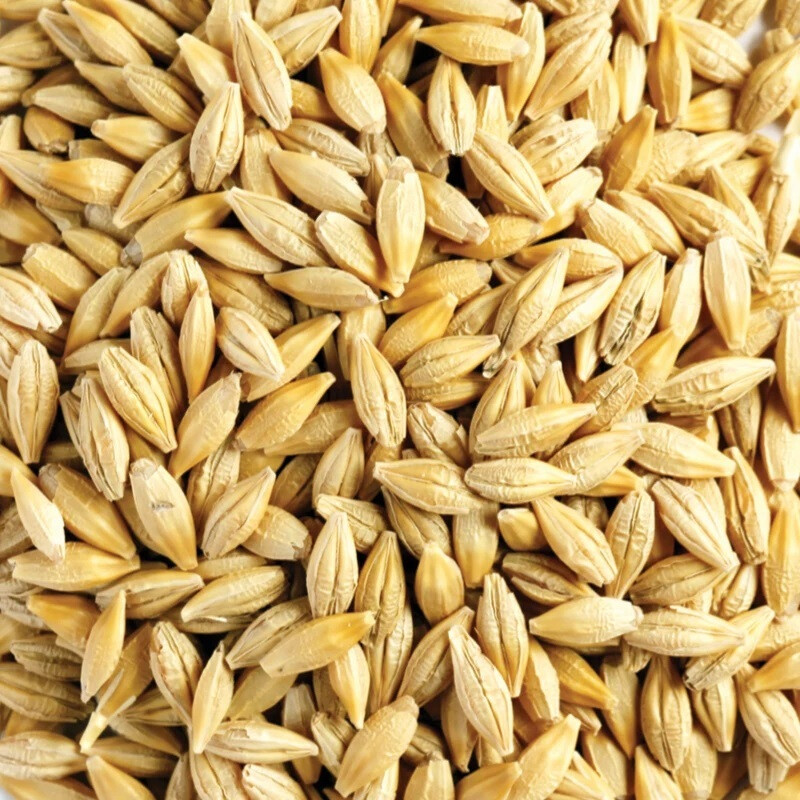
If you are worried about high cholesterol levels, adding barley to your daily meals might be one of the easiest and most effective steps you can take. According to a British cardiologist, this humble grain is a powerful ally in cardiovascular health.
In an interview with the UK media outlet Daily Express, Dr. Francesco Lo Monaco noted that many people mistakenly believe they need to spend money on expensive supplements or completely overhaul their diets to protect their hearts. Instead, he highlights that regularly consuming barley—which is rich in beta-glucan—can significantly reduce the absorption of cholesterol in the digestive tract.
How Beta-Glucan Lowers Cholesterol
Beta-glucan is a type of soluble dietary fiber found naturally in the cell walls of cereal grains. When consumed, it mixes with water during digestion to form a gel-like substance. This gel binds to bile acids and prevents them from being reabsorbed, safely flushing them out of the body.
Bile acids are digestive fluids produced in the liver using cholesterol as a raw material. When the body loses more bile acids through excretion, the liver must pull more cholesterol from the bloodstream to produce new ones. This natural biological process effectively helps lower overall cholesterol levels.
Scientific Evidence Supporting Barley
Research backs up these heart-health benefits. A study published in the European Journal of Clinical Nutrition analyzed data from 11 clinical trials and found that incorporating barley into the diet reduced total cholesterol by an average of 0.30 mmol/L and LDL ("bad") cholesterol by an average of 0.27 mmol/L.
Furthermore, 100 grams of barley contains approximately 3.95 grams of beta-glucan. Health Canada’s Food Directorate has previously reported that consuming a minimum of 3 grams of barley beta-glucan daily is effective at lowering LDL cholesterol.
Easy Ways to Add Barley to Your Diet
The British Heart Foundation recommends substituting 25 to 30 grams of barley for traditional starch sources like potatoes, white rice, or pasta to support cardiovascular wellness.
Here are a few simple ways to enjoy it:
Salad Topping: Toss cooked barley onto your favorite green salads for a chewy texture and a boost of fiber.
Grain Mixes: When cooking rice, try blending white rice and barley at a 7:3 ratio to gradually introduce more whole grains into your meals.
Who Should Exercise Caution?
While barley is generally safe and beneficial for most people, certain individuals should monitor their intake or consult a healthcare professional first.
Because barley contains gluten, individuals diagnosed with celiac disease should avoid it, as gluten can trigger an immune response that damages the lining of the small intestine. Additionally, those suffering from irritable bowel syndrome (IBS) should exercise care. The oligosaccharides present in barley can ferment in the large intestine, potentially worsening gas, bloating, and diarrhea. Anyone with pre-existing digestive conditions should speak with a medical professional to determine the safest consumption methods and portions.
[Copyright (c) Global Economic Times. All Rights Reserved.]