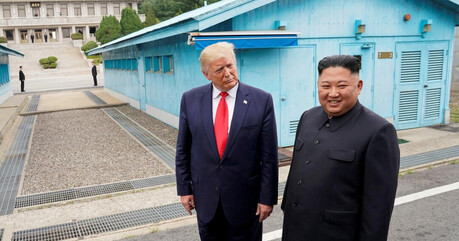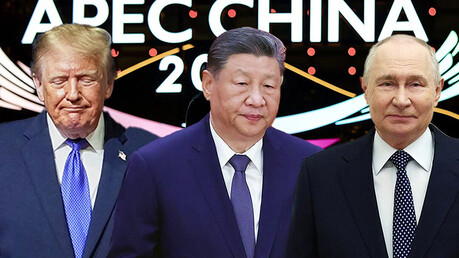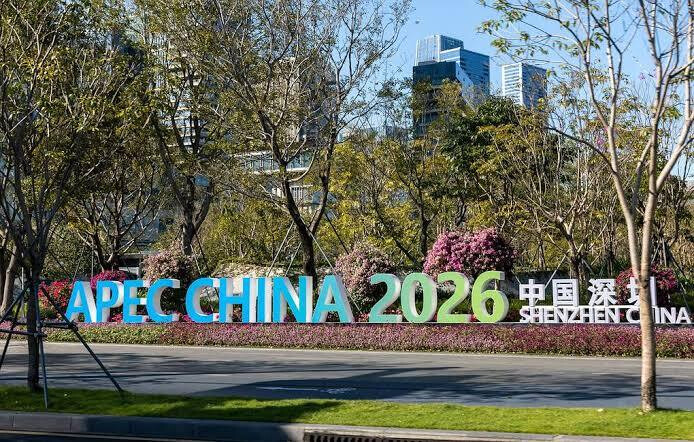
SHENZHEN — As leaders gather in the southern Chinese tech hub of Shenzhen for the Asia-Pacific Economic Cooperation (APEC) summit, international relations experts are evaluating the prospect of a high-stakes diplomatic convergence. Rumors are swirling that North Korean leader Kim Jong Un could participate in the summit, paving the way for potential bilateral talks with Russian President Vladimir Putin and U.S. President Donald Trump.
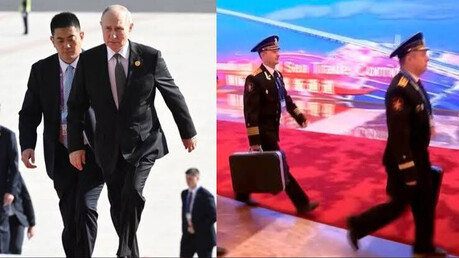
The speculation follows remarks from Moscow indicating openness to a North Korea-Russia meeting should the North Korean leader travel to the APEC forum. Veteran intelligence analysts suggest that such statements from the Kremlin imply preparatory groundwork is actively underway. Furthermore, observers note a series of recent diplomatic exchanges—including high-level delegations moving between Pyongyang, Beijing, and Moscow—as potential indicators of a coordinated diplomatic push.
If a trip to Shenzhen materializes, experts suggest that Kim may rely on logistical support from Beijing, mirroring the travel arrangements utilized during past landmark summits. Beyond a bilateral encounter with Moscow, some analysts argue that a broader quadrilateral framework involving the United States, China, Russia, and North Korea remains a theoretical possibility if regional powers seek to re-engage Pyongyang in multilateral dialogue.
Despite the intriguing diplomatic chessboard, seasoned peninsula analysts urge caution. Skeptics point out that Washington’s core objectives regarding denuclearization and Pyongyang's resistance to ongoing economic sanctions continue to present fundamental hurdles. Some academic figures argue that the Kremlin's recent diplomatic signaling may serve more as a projection of geopolitical leverage than a definitive harbinger of an imminent breakthrough with Washington.
As the APEC summit gets underway, official confirmation of North Korea's attendance remains unverified, leaving regional stakeholders watching closely to see if the rumors translate into historic diplomatic engagement.
[Copyright (c) Global Economic Times. All Rights Reserved.]