![[등록] 2026-09-01 15:48:31](/support/_updata/banner2/tl181982910_6749.png)


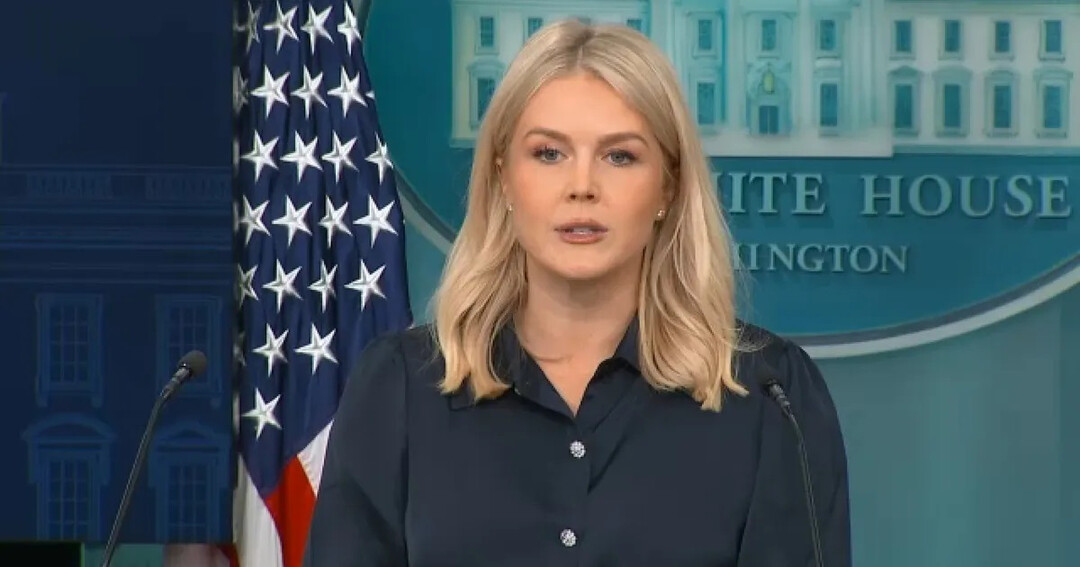
WASHINGTON D.C. – The White House has officially clarified its stance on the ongoing diplomatic tensions with Iran, stating that it has not requested an additional extension of the current ceasefire. Despite the firm position on the pause in hostilities, administration officials expressed strong optimism regarding the potential for a definitive agreement as face-to-face negotiations prepare to resume.
Strategic Confidence Amidst Energy Volatility
During a press briefing on April 15 (local time), White House Press Secretary Karoline Leavitt addressed recent speculations regarding the diplomatic timeline. "Reports suggesting that the United States has formally requested an extension of the ceasefire are inaccurate," Leavitt stated. She emphasized that while the administration remains "fully committed to the negotiations and the dialogue process," it intends to adhere to the previously agreed-upon schedule.
The United States and Iran entered a two-week ceasefire on April 7, which is slated to expire on April 21. While analysts had predicted a further extension to secure more time for complex deliberations, the White House’s current stance suggests a push for a more immediate resolution. Leavitt described the ongoing discussions as "productive" and maintained that a positive outcome is within reach. "The outlook for an agreement is positive, and we believe it is in Iran's best interest to accept the terms proposed by the United States," she added.
Diplomatic Channels and the Role of Pakistan
Islamabad, Pakistan, has emerged as the most likely venue for the next round of high-level talks. This follows a grueling 20-hour session held in the city on April 11, which, while failing to reach a final deal, laid the groundwork for the current momentum. Leavitt praised Pakistan's role as a "pivotal mediator," noting that the U.S. continues to maintain active communication through this critical channel.
Regarding the recent spike in global oil prices—a direct consequence of the regional instability—the White House characterized the trend as a temporary burden. Leavitt framed the economic pressure as a "short-term cost for a long-term strategic goal: ensuring Iran never acquires a nuclear weapon." She reassured markets that once a final agreement is reached and the Strait of Hormuz is fully reopened, fuel prices are expected to stabilize and decline rapidly.
Domestic Economic Agenda: Tax Relief and Presidential Travel
In a notable shift to domestic policy during the same briefing, Treasury officials and the Small Business Administration (SBA) highlighted the impact of current tax policies coinciding with the tax filing deadline. The administration reported an 11% increase in average tax refunds compared to the previous year, with the average refund reaching approximately $3,400.
The White House attributed these figures to aggressive tax-cut measures, particularly those exempting tips and overtime pay from federal taxation. According to government data, roughly 45% of taxpayers benefited from these specific provisions. To capitalize on these economic milestones, President Donald Trump is scheduled to visit Las Vegas, Nevada, on April 16 for a tax-related event, followed by a major address in Phoenix, Arizona, on April 17.
Looking Ahead: Semiquincentennial Celebrations
Finally, as the United States approaches its 250th anniversary, the White House teased the upcoming unveiling of plans for a "Grand Triumphal Arch." The monument is intended to commemorate the nation’s semiquincentennial and serve as a symbol of American history and endurance.
As the April 21 ceasefire deadline approaches, the international community remains focused on the upcoming meetings in Islamabad, hoping that the "positive optimism" expressed by Washington translates into a lasting peace and regional stability.
[Copyright (c) Global Economic Times. All Rights Reserved.]