![[등록] 2026-09-01 15:48:31](/support/_updata/banner2/tl181982910_6749.png)


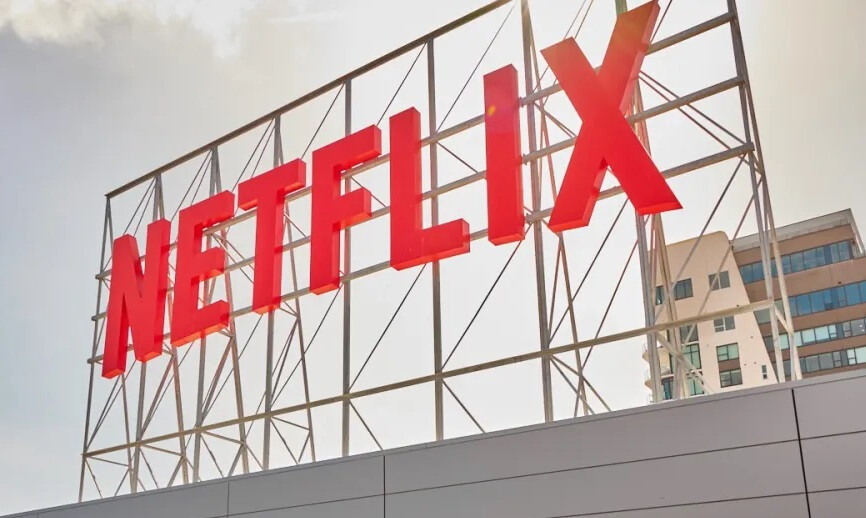
(C) Variety
HOLLYWOOD — Netflix's ambitious plan to acquire Warner Bros. and its assets, including HBO Max, for a staggering enterprise value of approximately $82.7 billion ($72 billion in equity value) has triggered immediate market anxiety, resulting in a 10.2% drop in its stock price over four trading days. The primary catalyst for the investor unease appears to be the substantial debt load Netflix plans to take on, fueling concerns over the company's investment-grade credit rating.
Debt Mountain and Downgrade Warnings
The definitive agreement, announced on December 5, includes Netflix securing up to $59 billion (approximately 86.5 trillion South Korean Won) in temporary debt financing from major Wall Street banks. The move, which would balloon Netflix's total debt from around $15 billion to an estimated $75 billion, has prompted a cautionary report from Morgan Stanley.
Citing the investment bank’s analysis, Bloomberg reported that the surge in debt poses a material risk to investors. Morgan Stanley analysts warned that credit rating agency S&P Global could downgrade Netflix's rating from its current 'A' level to 'BBB'.
Adding to the complexity, the acquisition faces a potential hostile bid from competitor Paramount Skydance, which values the entire Warner Bros. Discovery (WBD) entity—including debt—at over $108 billion, a move that could potentially increase Netflix’s financial burden further. Moreover, Netflix faces a hefty $5.8 billion ($8.5 trillion KRW) break-up fee payable to Warner Bros. should the deal collapse due to regulatory disapproval.
Analyst Optimism vs. Investor Jitters
Despite the bearish market reaction, a significant portion of the financial community remains optimistic about Netflix's long-term capability to manage the debt.
Credit rating agency Moody's affirmed Netflix's A3 rating but adjusted the outlook from 'Positive' to 'Stable' on December 8, acknowledging the increased risk but emphasizing the immense value gained from acquiring "some of the most highly-rated intellectual property in the media industry"—iconic franchises like Harry Potter, the DC Universe, and Game of Thrones.
Analysts project that although the new debt will initially raise the company's net leverage (net debt-to-EBITDA ratio) to roughly 3.7x, the combined entity is forecast to generate approximately $20.4 billion in annual EBITDA (Earnings Before Interest, Taxes, Depreciation, and Amortization) next year. Projections further suggest that the combined company's robust cash flow will allow for rapid deleveraging, with the ratio expected to fall to the mid-2x range by 2027.
Jim Fitzpatrick, Credit Research Head at Allspring Global, asserted that Netflix is "qualified to handle an acquisition of this size" and possesses the financial flexibility to accommodate an even higher purchase price if necessary.
In summary, the acquisition is hailed as a transformative moment for Netflix, providing it with a deep, legacy content library to solidify its dominance in the streaming market. However, investors are focusing on the near-term risk associated with the massive debt infusion and regulatory approval hurdles, keeping the stock price under pressure. The current trading price of $92.71 is down over 10% since the deal announcement.
[Copyright (c) Global Economic Times. All Rights Reserved.]