• 2026.01.11 (Sun)
  • All articles
  • LOGIN
  • JOIN
Global Economic Times
APEC2025KOREA가이드북
  • Synthesis
  • World
  • Business
  • Industry
  • ICT
  • Distribution Economy
  • Well+Being
  • Travel
  • Eco-News
  • Education
  • Korean Wave News
  • Opinion
  • Arts&Culture
  • Sports
  • People & Life
  • Column
    • Cho Kijo Column
    • Lee Yeon-sil Column
    • Ko Yong-chul Column
    • Cherry Garden Story
  • Photo News
  • New Book Guide
MENU
 
Home > World

FCC Approves 7,500 Additional Second-Generation Starlink Satellites for SpaceX

Eugenio Rodolfo Sanabria Reporter / Updated : 2026-01-11 08:28:58
  • -
  • +
  • Print


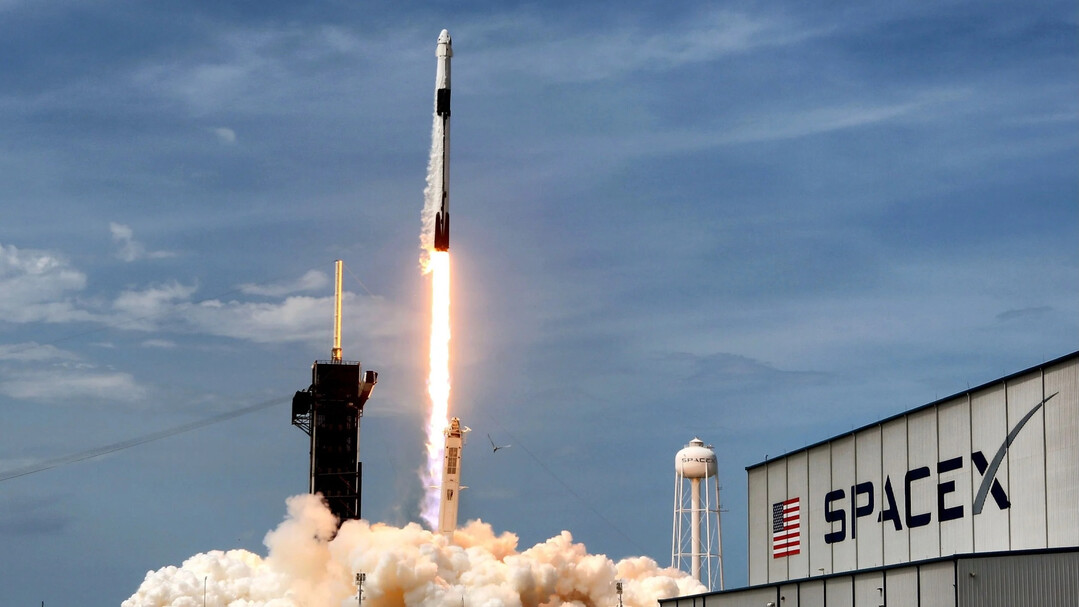
(C) PC Mag


In a significant move for global connectivity, the U.S. Federal Communications Commission (FCC) has officially granted SpaceX permission to deploy an additional 7,500 second-generation (Gen2) Starlink satellites.

This approval, announced on January 9 (local time), doubles SpaceX’s authorized Gen2 fleet from 7,500 to a total of 15,000 satellites in low Earth orbit.

 
Key Highlights of the FCC Approval
The FCC’s decision goes beyond mere numbers, providing SpaceX with the regulatory flexibility needed to advance its satellite broadband technology:

Expanded Capacity: The commission waived previous requirements that limited service capacity and authorized the operation of five frequency bands.
Direct-to-Cell Integration: Outside the U.S., these satellites will facilitate "Direct-to-Cell" services, allowing standard mobile phones to connect directly to the satellite network.
Next-Gen Speeds: For U.S. users, the upgraded fleet is expected to enable next-generation mobile services with internet speeds reaching up to 1Gbps.
Strategic Growth: While SpaceX originally requested a total of 29,988 Gen2 satellites, the FCC has opted for a phased approach, approving this batch of 7,500 while deferring a decision on the remaining 14,988 units.
 
A "Game Changer" for Global Connectivity
FCC Commissioner Brendan Carr praised the authorization as a pivotal moment for the industry. "This authorization is a game changer that enables next-generation services," Carr stated. He emphasized that the 15,000-satellite constellation would provide "unprecedented satellite broadband capabilities," fostering competition and ensuring that no region is left behind in the digital age.

Current Fleet Status
SpaceX continues to dominate the commercial satellite landscape. Including the 1st generation, 1.5 generation, and the "V2 Mini" (Gen2) models, the company is currently estimated to have over 9,000 satellites in active operation.

This latest approval solidifies Elon Musk’s vision of a high-speed, low-latency global internet network, positioning SpaceX to lead the "Direct-to-Cell" market and the next era of mobile telecommunications.

[Copyright (c) Global Economic Times. All Rights Reserved.]

  • #Globaleconomictimes
  • #Korea
  • #Seoul
  • #Samsung
  • #LG
  • #Bitcoin
  • #Meta
  • #Business
  • #Economic
  • #The Woori Bank
  • #Elon Musk
  • #C
Eugenio Rodolfo Sanabria Reporter

Popular articles

  • Tech Surge Lifts Wall Street as Santa Rally Hopes Ignite

  • Zootopia 2’s Box Office Surge: A Mirror of U.S.-China Economic Interdependence

  • Australia’s "Build-to-Rent" Model: A Blueprint for Solving the $1.2 Million Housing Crisis

I like it
Share
  • Facebook
  • X
  • Kakaotalk
  • LINE
  • BAND
  • NAVER
  • https://globaleconomictimes.kr/article/1065569233255259 Copy URL copied.
Comments >

Comments 0

Weekly Hot Issue

  • K-Battery Sector Hits a Wall: Major Firms Slip into Red Following Repeal of U.S. EV Subsidies
  • The "Lee Boo-jin Effect": Samsung Heiress Spotted in $130 Domestic Dress, Not Luxury Labels
  • Can the 'Golf Emperor' Win Again? The Long Road Back for Tiger Woods
  • From 'Maduro Gray' to 'Hwang Hana Parka': Why Negative News Drives Fashion Consumption
  • Major Four Korean Banking Groups Hit Record 18 Trillion Won Net Profit Amid Shifting Market
  • U.S. Government Officially Recognizes Kimchi as a "Healthy Food" in Landmark Dietary Update

Most Viewed

1
Samsung Electronics Signals Comeback in Robot Vacuum Market, Overtaking Chinese Rival Roborock in Online Buzz
2
The Era of Private Space Stations: Voyager, Airbus, and Mitsubishi Join Forces for 'Starlab'
3
S. Korean Insurers to Raise Auto Insurance Premiums by 1% Amid Ballooning Deficits
4
Musk’s Ambition for ‘AI Compute Dominance’: Securing the World’s Most Powerful Infrastructure
5
S. Korea to Offer Up to KRW 6.8 Million in EV Subsidies, Adding Incentives for Internal Combustion Engine Trade-ins
광고문의
임시1
임시3
임시2

Hot Issue

AI-Driven Memory Shortage Intensifies: Prices Projected to Surge 60% in Q1

FCC Approves 7,500 Additional Second-Generation Starlink Satellites for SpaceX

Gas Prices in South Korea Fall for Fifth Consecutive Week

U.S. Government Officially Recognizes Kimchi as a "Healthy Food" in Landmark Dietary Update

Let’s recycle the old blankets in Jeju Island’s closet instead of incinerating them.

Global Economic Times
korocamia@naver.com
CEO : LEE YEON-SIL
Publisher : KO YONG-CHUL
Registration number : Seoul, A55681
Registration Date : 2024-10-24
Youth Protection Manager: KO YONG-CHUL
Singapore Headquarters
5A Woodlands Road #11-34 The Tennery. S'677728
Korean Branch
Phone : +82(0)10 4724 5264
#304, 6 Nonhyeon-ro 111-gil, Gangnam-gu, Seoul
Copyright © Global Economic Times All Rights Reserved
  • 에이펙2025
  • APEC2025가이드북TV
  • 독도는우리땅
Search
Category
  • All articles
  • Synthesis
  • World
  • Business
  • Industry
  • ICT
  • Distribution Economy
  • Well+Being
  • Travel
  • Eco-News
  • Education
  • Korean Wave News
  • Opinion
  • Arts&Culture
  • Sports
  • People & Life
  • Column 
    • 전체
    • Cho Kijo Column
    • Lee Yeon-sil Column
    • Ko Yong-chul Column
    • Cherry Garden Story
  • Photo News
  • New Book Guide
  • Multicultural News
  • Jobs & Workers