![[등록] 2026-09-01 15:48:31](/support/_updata/banner2/tl181982910_6749.png)


(C) Unseen Japan
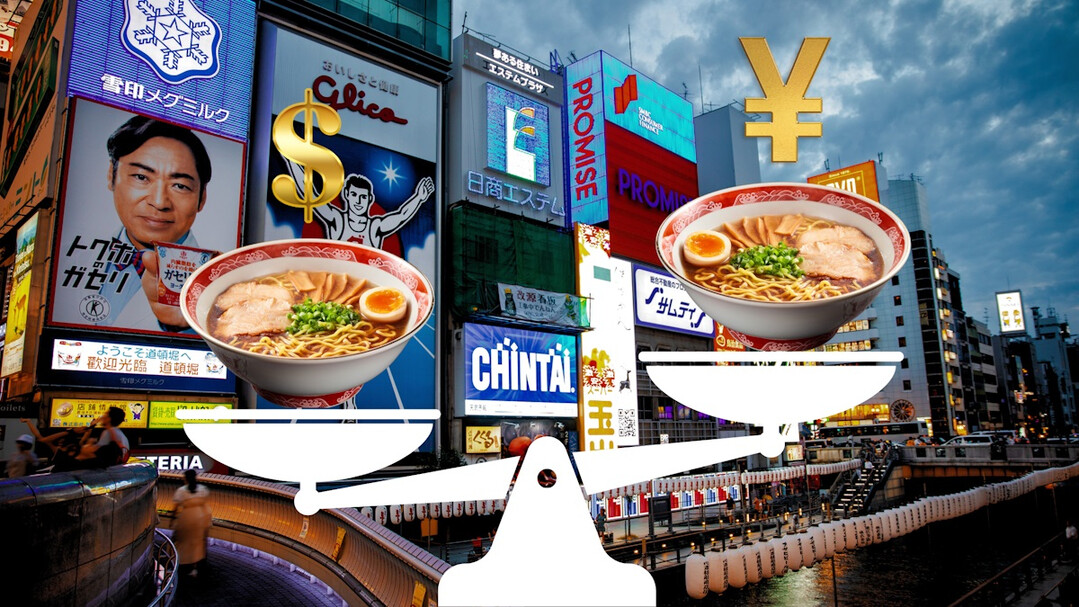
OSAKA – A prominent ramen restaurant in Osaka’s Namba district has ignited a fierce debate over "dual pricing" after it was revealed the establishment charges foreign tourists nearly double the price of local residents. The controversy escalated further when the owner threatened to ban Chinese nationals following a dispute over the bill.
A Hidden Surcharge for Foreigners
According to a report by TV Asahi, the conflict surfaced on January 4th when a group of Chinese tourists noticed a significant price discrepancy at a popular "Iiekei-style" ramen shop.
The restaurant utilizes a self-service kiosk system with a localized pricing structure:
Japanese Menu: Prices are set in the low 1,000 yen range.
Foreign Language Menus (English, Korean, Chinese): Prices for the same basic dishes jump to the high 1,000s or mid-2,000 yen range.
While the kiosk displays a disclaimer stating that prices and product specifications differ for those using foreign language settings, the notice is written entirely in Japanese. This led many tourists to unknowingly pay nearly twice the standard rate.
Escalation and "No Chinese" Threat
When the Chinese tourists realized they had been overcharged and demanded a refund, the restaurant refused, claiming the "specifications" of the ramen were different. Following a heated argument that required police intervention, the shop posted on social media that 90% of its troubles involve Chinese guests and that it was "considering a ban on Chinese customers."
In a subsequent YouTube video, the owner defended the pricing policy, stating that the foreign-market ramen includes different seasonings and toppings tailored to tourists. He also claimed that the Consumer Affairs Agency confirmed the practice does not violate Japanese law.
The Rise of Dual Pricing in Japan
The incident comes amidst a broader national conversation regarding overtourism fueled by the weak yen. As record numbers of visitors flock to Japan, various sectors are exploring ways to offset the social costs:
Public Institutions: The Agency for Cultural Affairs is considering dual pricing for national museums and galleries, where foreigners could pay 2 to 3 times more than locals.
Historical Sites: Himeji Castle previously considered similar hikes before the plan was shelved due to public backlash.
Public Reaction
Public opinion in Japan remains deeply divided. Supporters of the restaurant argue that dual pricing is necessary to protect locals from being crowded out of their own neighborhoods. However, critics labeled the Osaka shop’s tactics as "dishonest" and "discriminatory," citing Google reviews that claim staff actively prevented tourists from using the Japanese-language menu to save money.
As the backlash grew, the shop clarified to TV Asahi that the ban on Chinese customers was "only under consideration" and not yet official policy.
[Copyright (c) Global Economic Times. All Rights Reserved.]