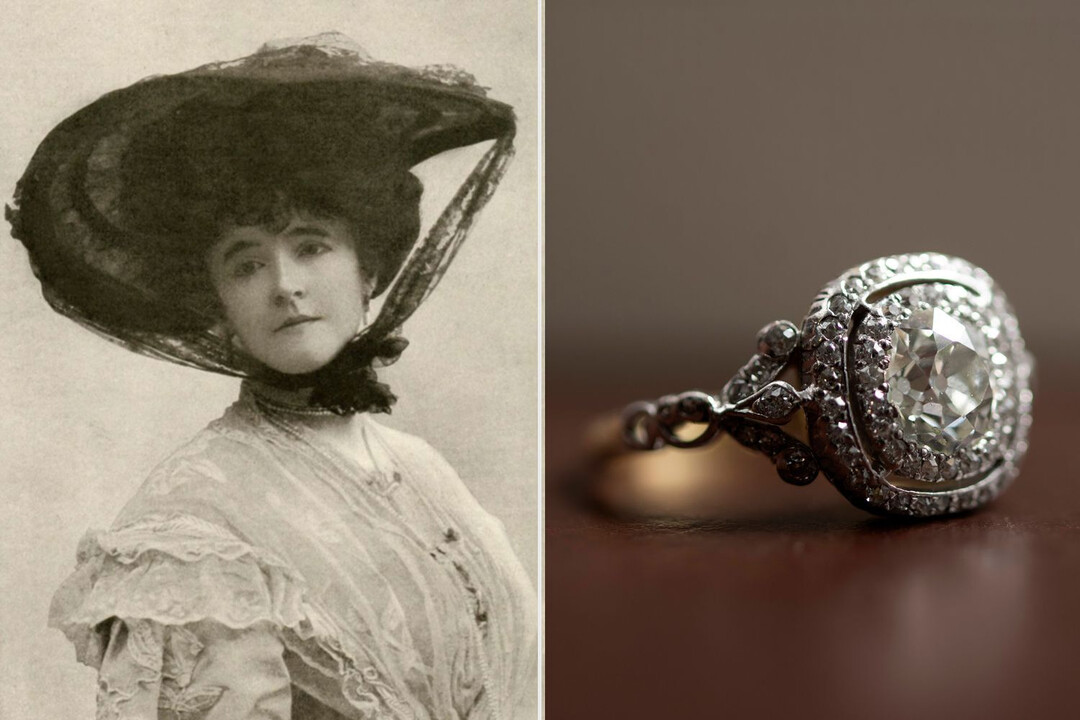
DEVIZES, England — A single-stone diamond ring that survived the 1912 sinking of the RMS Titanic on the finger of a prominent British fashion designer has sold for £150,000 (approximately $190,000), nearly doubling its pre-sale estimate.
Auctioneers Henry Aldridge & Son confirmed the sale in Wiltshire, noting that the hammer price reached £110,000 before buyer’s premiums. Estimated at £80,000 prior to the event, the piece—featuring an Old European-cut diamond—was consigned by a direct descendant of its original owner, Lucy, Lady Duff Gordon.
A Survivor's Only Remaining Jewel
Known privately within the family for over a century as the "Titanic Ring," the piece is believed to have been Lady Duff Gordon’s engagement ring. According to auction records accompanied by Birmingham certification, it was the sole major piece of jewelry she managed to retain from the disaster. Following her passing, the ring became a family heirloom, passing through her grandson, the scientist John, 3rd Earl of Halsbury.
Shadow of the 'Money Boat' Scandal
Beyond its gemological value, the ring carries the weight of one of the Titanic disaster's most enduring controversies. Lady Duff Gordon, an influential couturier who dressed elites under her label Lucile and pioneered modern runway shows, boarded the liner in April 1912 with her husband, Sir Cosmo Duff Gordon, and her secretary to tend to business in New York.
When the ship struck an iceberg on April 15, the trio escaped aboard Lifeboat No. 1. Despite having space for 40 people, the vessel launched with just 12 occupants—five passengers and seven crew members—and famously failed to row back toward the cries of drowning victims after the liner went down.
Public outrage ignited days later when it emerged that Sir Cosmo had handed £5 checks to each of the seven crewmen aboard the rescue ship Carpathia. Critics accused the aristocrat of bribing the men not to turn back. While a subsequent British Board of Trade inquiry cleared Sir Cosmo of bribery—accepting his defense that the funds were charity to replace lost kit—officials nonetheless concluded that the boat could, and should, have attempted a rescue.
Other Relics Command High Sums
The Wiltshire sale underscored the enduring collector demand for personal artifacts tied to the doomed maiden voyage:
Wireless Operator’s Postcard (£32,000): Written on April 6, 1912, by 25-year-old senior wireless operator Jack Phillips to his sister, the card shows the Titanic docked at Southampton. Phillips stayed at his post transmitting distress calls until the final moments and perished in the sinking.
Departure Spectator Ticket (£40,000): An entry pass allowing a visitor onto the Southampton docks on April 10. It belonged to the mother of 18-year-old second-class passenger William Dibden, who watched her son depart on what became his final journey.
[Copyright (c) Global Economic Times. All Rights Reserved.]