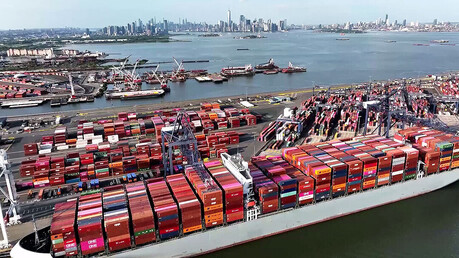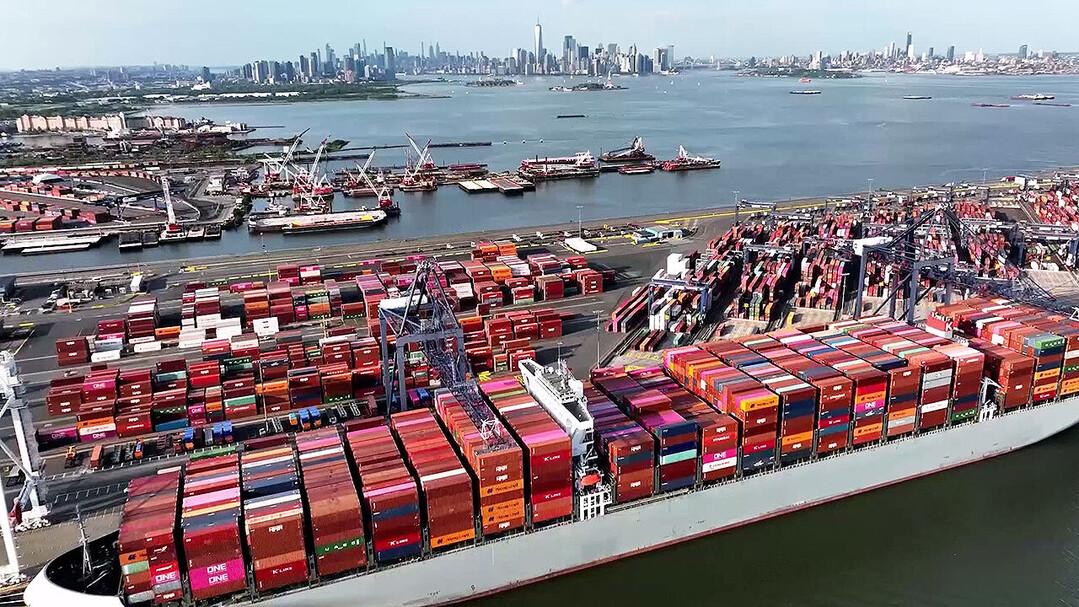
SEOUL — South Korea has avoided steeper trade penalties from the United States after Washington finalized a Section 301 investigation into industrial overcapacity, keeping an agreed-upon 15% tariff ceiling intact despite Seoul’s surging bilateral trade surplus.
According to a Federal Register notice released on November 25 by the Office of the United States Trade Representative (USTR), the U.S. plans to levy duties of up to 15% on all imports from South Korea. Crucially for Korean exporters, the new rate will be applied net of existing Most-Favored-Nation (MFN) duties and a prior 12.5% Section 301 tariff linked to forced labor concerns, meaning the tariffs will not be cumulative. Still, U.S. trade officials warned that the rate could climb to 25% if bilateral consultations fail to yield satisfactory progress.
The USTR’s findings targeted 14 of the 16 trading partners initially investigated—sparing Mexico and Norway—while matching the 15% cap for other U.S. allies with finalized trade deals, including Japan and the European Union. China faces an additional 20% tariff, though a temporary trade truce will prevent its overall duties from surging into the 40% bracket until at least January 10, 2027.
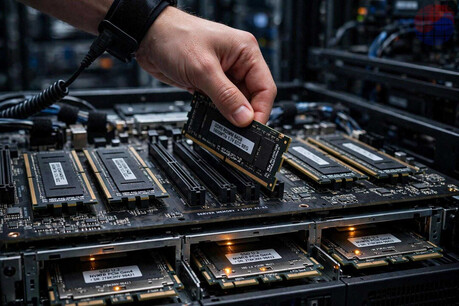
In its report, the USTR accused South Korea of fueling global oversupply through state-backed industrial policies, preferential financing from state-run banks, and supply chain ties—via imports and foreign direct investment—with non-market economies. The agency specifically pointed to South Korea’s semiconductor, automotive, and petrochemical sectors, all major drivers of the country's trade surplus with the U.S., as harming American manufacturing and employment.
South Korean officials welcomed the decision as a validation of their prior diplomatic and economic commitments. Seoul had previously secured the 15% ceiling in exchange for roughly $200 billion in pledged U.S. investments, though anxiety had mounted in recent months after booming exports pushed South Korea’s trade surplus with the U.S. past the $100 billion mark.
Speaking on the outcome, Minister of Trade, Industry and Energy Kim Jung-kwan described preserving the 15% limit as an achievement that exceeded expectations, noting that facing a $100 billion surplus without existing investment and trade agreements would have placed an overwhelming strain on the economy.
Seoul now plans to formally contest the USTR’s claims during the statutory review period. Interested parties have until January 5, 2027, to file written objections and request testimony ahead of a public hearing scheduled for January 25, after which the new tariffs will officially take effect.
[Copyright (c) Global Economic Times. All Rights Reserved.]