To prevent cheating using smart devices during middle and high school internal assessments, test site management and supervision will be strengthened to the level of the College Scholastic Ability Test (CSAT). Schools are advised to assign a score of zero for all subjects taken on the day of the infraction if a student is caught possessing or using a smart device, and to impose disciplinary actions up to expulsion.
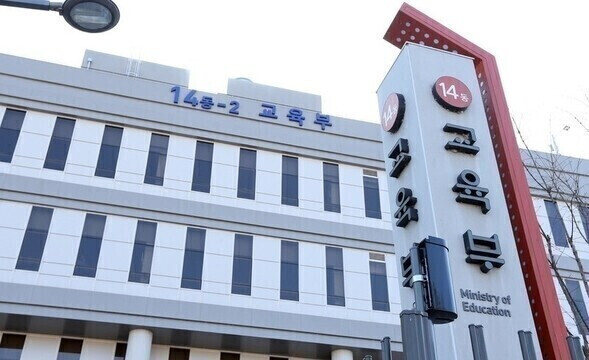
On the 24th, the Ministry of Education reported the "Countermeasures Against Cheating Using Smart Devices in Secondary School Internal Assessments" containing these details during a Cabinet meeting. Amid growing social controversy over cheating using generative artificial intelligence (AI), the measures were prepared in consultation with metropolitan and provincial offices of education after cases of cheating using smart glasses occurred during this year's middle and high school internal exams.
First, schools will collect all electronic devices, including mobile phones, before the exam to store at the test headquarters, and students' bags will be kept in a separate location away from the testing rooms. Students will take exams in classrooms other than their homerooms, and all desk drawers and lockers must be emptied.
Full-scale inspections using metal detectors will also be conducted. Checks for unauthorized possession of electronic devices will be carried out before entering or immediately after the exam, with additional inspections for students re-entering the room after using the restroom. However, schools must inform students and parents of the purpose, necessity, and methods of the inspection and obtain prior consent.
To block the use of micro-cameras, students are advised to wear buttonless gym uniforms or casual clothes on the exam day. Proctors will inspect students' glasses and attire before every period and attach stickers to clothing with buttons to monitor their status. Computer-readable sign pens and ballpoint pens will be provided collectively by the school, and only black pencils will be allowed as personal writing instruments.
School Wi-Fi will also be shut off on the day of the exam. Hallway proctors will continuously check and record communication signals such as Wi-Fi and Bluetooth using mobile phone apps, and if abnormal signals are detected, a full metal detector inspection will be conducted on students in the relevant testing room after the exam ends.
Grading and disciplinary standards for cheating will also be toughened. Previously, students caught possessing or using smart devices received a zero only for the specific subject, and disciplinary action was left to the school's discretion. Moving forward, schools are advised to give a zero for all subjects on the day of detection and impose disciplinary measures of at least suspension from attendance. For high schools, revisions to school regulations will be pursued to allow up to expulsion.
The Ministry of Education stated, "Cheating using smart devices will be dealt with more strictly and at a higher level than other types of cheating," and instructed that warning phrases regarding grading and disciplinary actions be printed on the exam papers.
These measures will first apply to this year's second-semester final exams for high schools, and middle schools will also strengthen their exam management and supervision by referring to these guidelines. For high school seniors (12th graders), whose final exams have already begun in some schools, measures that can be applied immediately will be implemented, while uniform distribution of writing utensils and full metal detector inspections will be operated flexibly depending on school conditions.
The Ministry of Education announced, "We will closely cooperate with offices of education nationwide to ensure the strengthened measures are applied smoothly in schools, and we will thoroughly uphold the fairness of internal assessments so that students' legitimate efforts are not undermined by cheating."
[Copyright (c) Global Economic Times. All Rights Reserved.]